Opening The Rift
therift
© 2026 The Rift. All Rights Reserved.
Harmonious India Pakistan Relations necessary for Development of Region
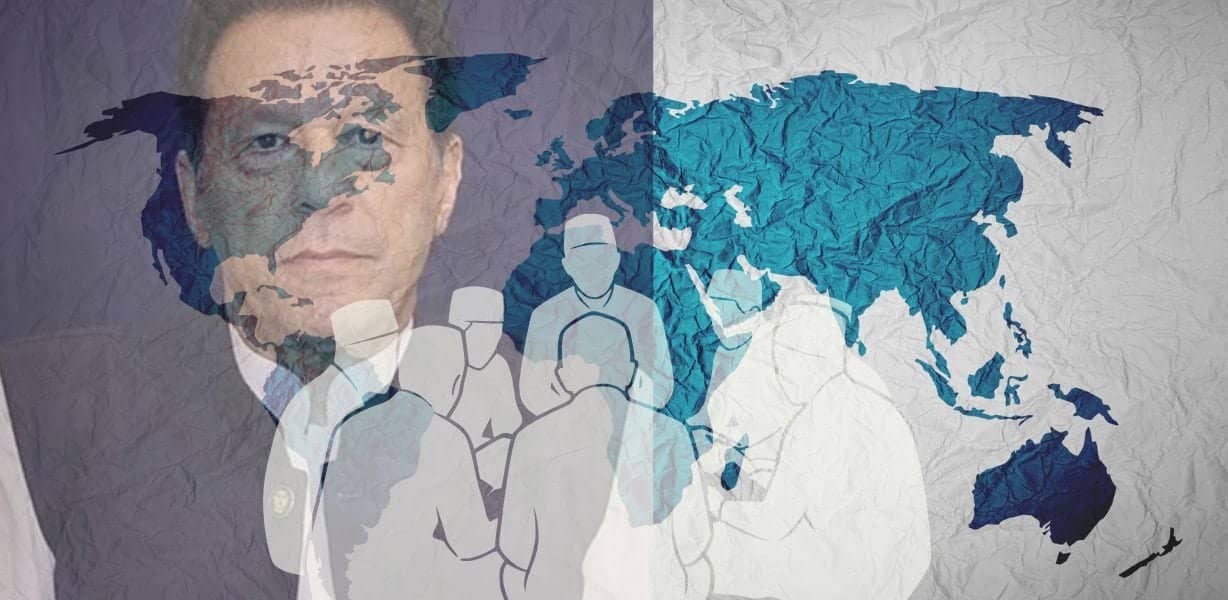
India and Pakistan are major players in SAARC, and their cooperation can be the lynchpin for economic development of the region.


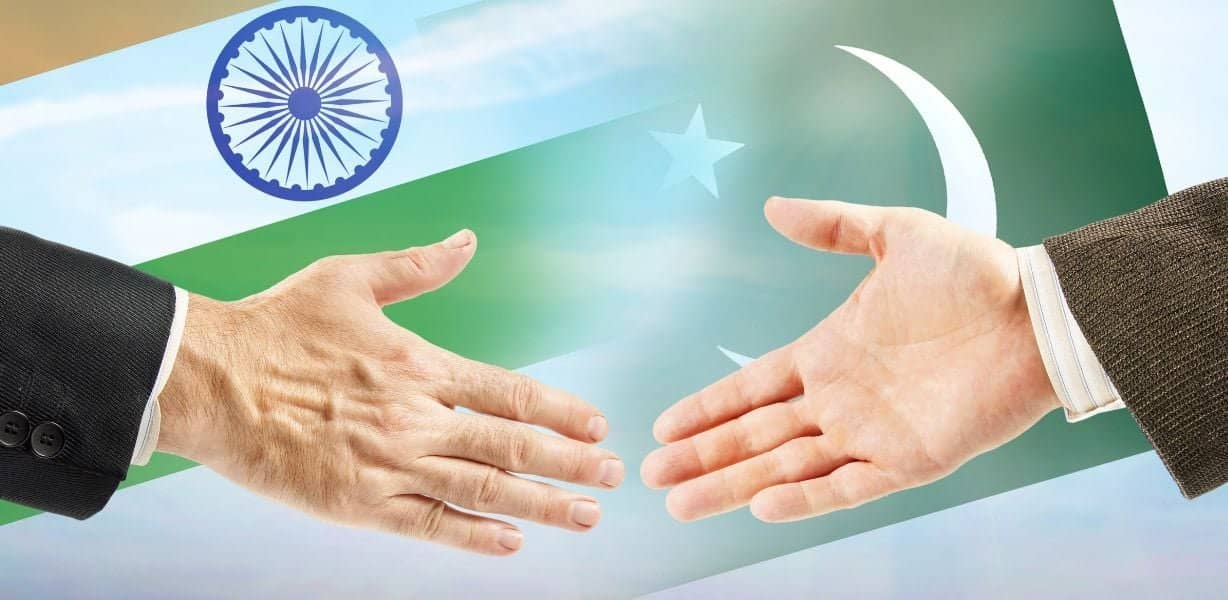
Representative Image)
Key Takeaways
1 of 3
Automatically generated. Read full article for complete context.
The idea of India is enshrined in the Preamble to the constitution, rooted in our independence movement. It is a synthesis of Democracy, Secularism, Socialism and Liberalism aimed at achieving economic justice for its population. The country should be able to provide economic justice to its population while upholding democratic and liberal values.
In 1970, India’s nominal GDP and per capita income were $ 62.4 billion and $ 114 respectively and increased to $ 4.15 trillion and $ 2813 respectively in 2026. Apparently, it looks like a substantial increase in per capita income from year 1970 to 2026 but considering inflation-adjusted purchasing power, it has increased from Rs. 1.6 lakhs to Rs. 2.35 lakhs. This is not a substantial increase in per capita income to lift population out of poverty. Wealth generation has not percolated to the poor population, and the wealthy have cornered a major share, which is reflected in our country’s Gini coefficient, a measure of wealth distribution, of 62., a measure of wealth distribution, of 62 for our country (0 represents equality, 100 represents maximum inequality). India has developed into an unequal society and is not able to provide economic justice to its ordinary citizens.
It is important to compare China, South Korea, Pakistan, Bangladesh, and India’s macro-economic indicators to understand the economic development in all these countries in four decades.
| S. N. | Name of Country | Nominal GDP ($) | Per Capita Income ($) | ||
| 1970 | 2026 | 1970 | 2026 | ||
| 1. | India | 62.4 billion | 4.15 trillion | 114 | 2813 |
| 2. | Pakistan (1970 Undivided figures) | 10.03 billion | 452 billion | 167 | 1901 |
| 3. | Bangladesh | Not Applicable | 510 billion | Not Applicable | 2960 |
| 4. | South Korea | 8.3 billion | 1.93 trillion | 253 | 37142 |
| 5. | China | 92.7 billion | 20.85 trillion | 113 | 14874 |
In 1970, China’s economy and per capita income were comparable to India’s, but China leapfrogged from a poor country to a middle-income country. Similarly, South Korea developed into a higher-income country, which was a poor country in 1970. South Asian countries India, Pakistan, Bangladesh and other SAARC countries could not economically progress and remained poor. countries could not economically progress and remained poor country. Thus, SAARC country leadership must set a singular goal to achieve economic prosperity by 2050 to lift the population from poverty.
The important ingredients for accelerated economic development of a country or region are predictable fiscal policies, rule of law and most importantly peace within the country and in the region. India’s focus shifted to prepare the country for external threats after its debacle with China, and it got busy modernizing its armed forces. Similarly, SAARC region could not develop into a closed economic union due to deteriorating relationships mainly between Pakistan and India. SAARC became a forum for settling political scores rather than economic cooperation among member states for the free movement of goods and services. It is ironical that SAARC population is 1.9 billion (24% of world population) with per capita income of $ 3000 and is one of poorest regions in world.
SAARC forum must prioritize its goals, giving economic cooperation foremost importance so that the region can achieve substantial macro-economic goals essential for lifting its population out of poverty. India and Pakistan are major players in SAARC forum and their cooperation can be the lynchpin for economic development of the region. The rationales for India-Pakistan dialogue and co-operation are as follows:
- Due to mistrust and hostilities between India and Pakistan, our economic cooperation suffered due to high tariffs, and this has increased the cost of doing business in both countries, adversely affecting business competitiveness. Both countries don’t allow goods and services to flow seamlessly thus they have to import from 3rd country at higher cost. Both countries have increased substantial defense outlays, when the priorities for both countries should be the development of human resources, primarily in basic education and healthcare.
- India and Pakistan face similar issues; thus, our scientists, doctors, and engineers can share their experiences to find viable solutions for shared problems such as climate change, floods, soil erosion, agroforestry, communicable diseases, and other health issues., communicable diseases and other health issues. At present, we try to import scientific and engineering solutions from OCED countries which may not be apt and viable solution for local problems.
- India-Pakistan share historical and cultural ties which dates back to centuries. Thus, it will be futile for both countries to cut off cultural ties and don’t allow artists of both countries to work in each other’s productions and permit screening of their art works across the border. It is ironical that movies and art works are illegally imported from the other country since respective governments don’t allow legal exchanges. Artists of both countries can bring civil societies closer, and the populations of their respective countries will realize that hatred may not solve entrenched problems.
- India is a vast country and vast potential to influence other countries in the region with its soft power and it should not be done in paternalistic way but in the spirit of cooperation and camaraderie. India can offer visas to the general population of Pakistan for medical treatment such as cancer, heart ailments, and other rare diseases. Pakistan’s elite can afford treatment in Western countries, but the general population needs affordable healthcare for major diseases. It can create a sense of co-operation and altruism which will go long way in reducing tension and creates groundswell for civil societies co-operation.
- There is a parallel between Germany and France and India-Pakistan relationships. Before World War II, nationalism gripped Germany and France, which caused serious issues in both countries, and they fought many wars that hampered their economic development in the region. After World War II, both countries realized the futility of unchecked nationalism and cooperated, signing treaties that led to economic development in the region, student exchange programs, and civil society engagement. Thus, there is free border between the two countries, which eventually led to the formation of the Eurozone.. It led to prosperity in the region and it is unthinkable now that France and Germany might go to war since their destinies are intertwined. India and Pakistan can take lessons from the cooperation and engagement of past bitter enemies and find a long-lasting solution for their political issues for the common prosperity of the region, which has been held back due to hostilities and mistrust. Leadership of both the countries must show maturity to bring economic prosperity to the region.
In conclusion, SAARC regional economic block can pave the way for the economic upliftment of the population of South Asia. Every country in the region must understand that countries in the region don’t progress in isolation, since any failed country in the region will have a spillover effect on the other countries. Thus, it is important that civil society must put pressure on respective governments to improve relations with their neighbors for the development of the region as a whole.
Disclaimer:The views and opinions expressed in this article are those of the author(s) and do not necessarily reflect the official policy or position of The Rift.