Opening The Rift
therift
© 2026 The Rift. All Rights Reserved.
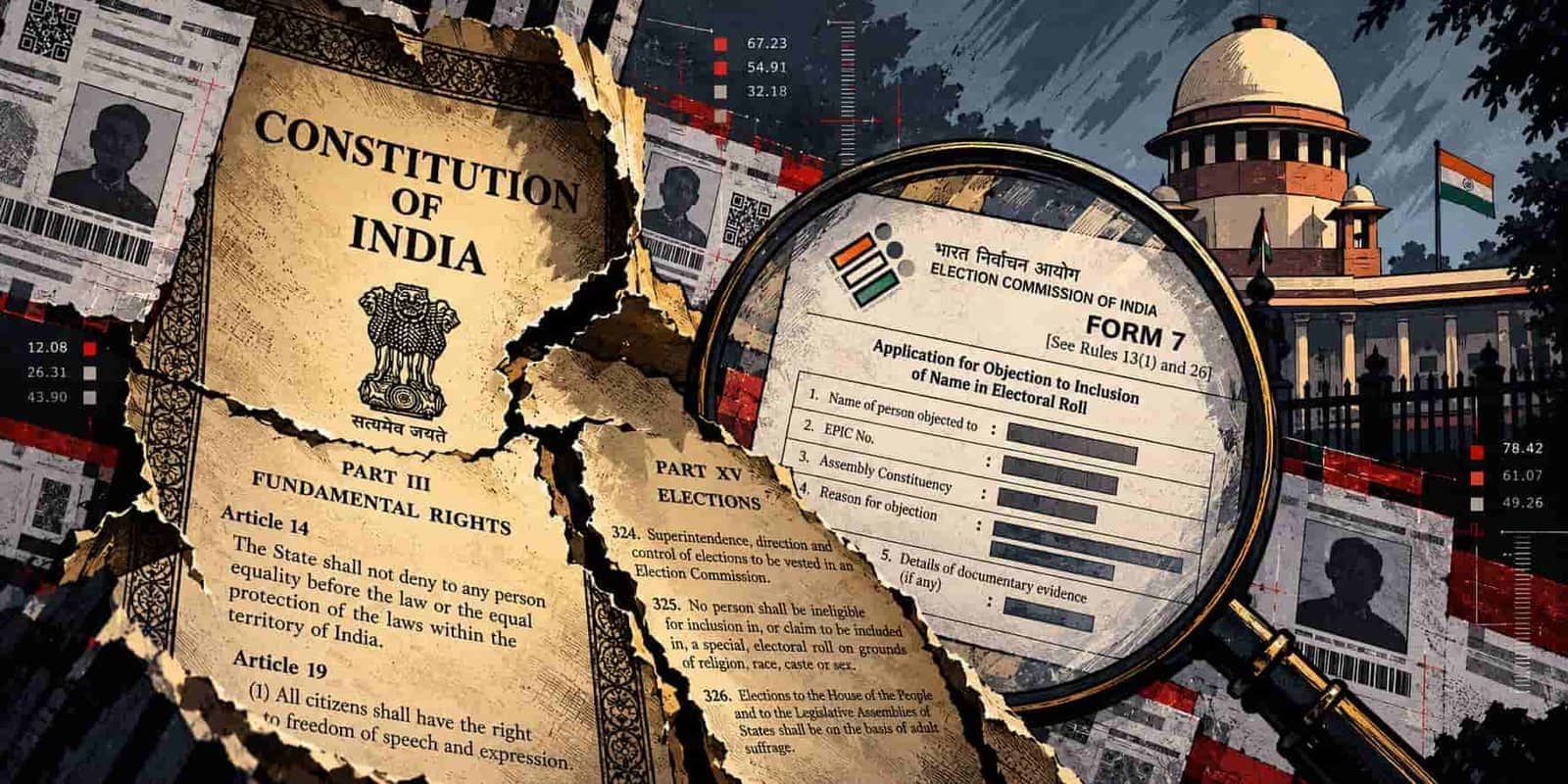
Adding 4 Supreme Court Judges Won’t Fix the Fact That the State is India’s Worst Litigant
The Cabinet just cleared a bill to increase the Supreme Court’s bench strength to tackle the judicial backlog. But treating a broken justice system like a corporate staffing shortage ignores the real culprit.


Key Takeaways
1 of 3
Automatically generated. Read full article for complete context.
The Union Cabinet just cleared a bill to add four new judges to the Supreme Court. That brings the total from 34 to 38. The mainstream media is currently copy-pasting government press releases, calling it a major administrative reform to clear more than 80,000 pending cases. This is like trying to put out a forest fire with a water pistol.
Expansion of Supreme Court Bench Strength (1950 – 2026)
*Proposed expansion from 34 to 38 judges. Currently, the Court operates with a working strength of 32 and two vacancies.
The Pendency Problem: By the Numbers
Across India’s judicial hierarchy, over three crore cases were pending as of April 2018. While the Supreme Court handles the smallest volume, it has seen the most aggressive growth in backlog.
86%
Subordinate Courts
13.8%
High Courts
0.2%
Supreme Court
Between 2006 and 2018, pendency before the Supreme Court increased by 36%, significantly higher than the rise in High Courts (17%) and subordinate courts (7%).
Source: PRS Legislative Research
We are treating a systemic collapse of justice like a staffing shortage at a toxic corporate startup. The narrative suggests that the Supreme Court simply needs more manpower to process the load. The reality is far more cynical. The backlog is not just a supply problem. It is a demand problem. And the entity generating all that demand is the very same government pretending to fix it.
The State vs The People
The Indian government is the single largest litigant in the country. Depending on how you cut the data, state and central governments are responsible for nearly half of all pending cases across the entire judicial system.
When a normal citizen loses a case, they assess their finances, look at the legal fees, and usually decide to cut their losses. When the government loses a case in a lower court or a tribunal, it simply appeals. It appeals minor tax disputes. It appeals routine pension claims by retired clerks. It appeals employment transfers. The state has infinite taxpayer money and infinite time to fund its administrative ego. The citizen does not.
We have normalized a reality where government departments routinely drag individuals to the highest court in the land over trivial administrative disagreements. Adding four highly qualified jurists to the top bench just gives the state four more desks to dump its endless paperwork on.
A Weaponized Delay
Delay is not a bug in the Indian judicial system. It is a feature. When the government decides to appeal a lost case instead of settling it, it forces the citizen into a decade of financial ruin. The state knows that it can outlast you. It knows that you will run out of money to pay your lawyer long before the department runs out of public funds to pay the Solicitor General.
This structural imbalance makes the backlog an incredibly effective tool for state intimidation. The process itself becomes the punishment. You can win against the government in a High Court, but the victory means nothing if the department just bumps the file up to Delhi and parks it there for another six years.
The Plumber Problem
The new amendment bill is classic bureaucratic misdirection. It looks like action. It sounds like reform. But it entirely avoids the root cause. A National Litigation Policy designed to stop frivolous government appeals has been discussed for years, yet it somehow never materializes with any real teeth.
We do not just need more judges reading case files. We need a government that stops suing its own people over administrative technicalities. The state is deliberately clogging the pipes with petty grievances while blaming the infrastructure for the overflow. If the state refuses to stop clogging the pipes, what good is adding four more plumbers?