Opening The Rift
therift
© 2026 The Rift. All Rights Reserved.
COP31 should not ignore these Five Crucial Issues
This survival or existential crisis is the most important issue of our times and climate change must be seen as an integral part of this crisis.

Key Takeaways
1 of 3
Automatically generated. Read full article for complete context.
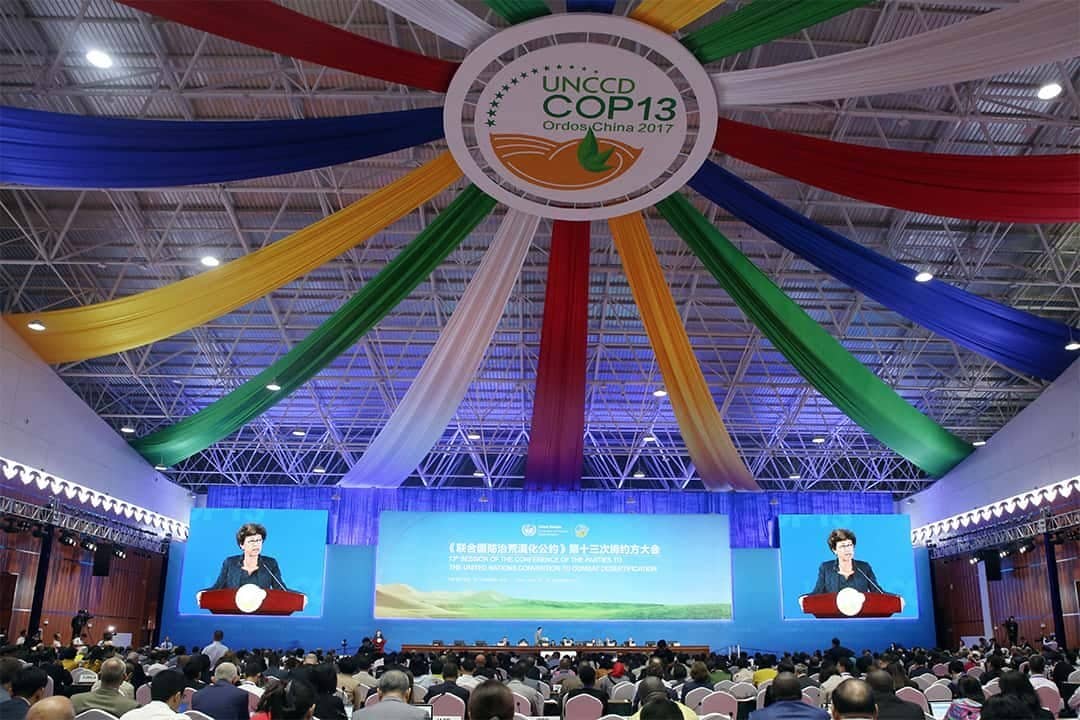
The The ongoing COP31 international climate conference in Turkey is discussing many important issues, but will it adequately address these five crucial concerns that are often neglected or underemphasized? international climate conference in Turkey is discussing many important issues, but will it give adequate attention to these five issues which are of great importance to climate concerns but often get neglected or underemphasized?
Firstly, there is the very important issue of the extent to which the increasing wars, conflicts and arms race as well as all the preparations for wars contribute to worsening climate change. Wars, war preparations, creating and maintaining the infrastructure of weapons manufacture, transport, testing and storage all contribute to increased greenhouse gas emissions. Damage incurred in wars greatly reduces the climate adaption capacity of many countries and communities. Massive war and weapon expenditures divert precious resources that could be vital for climate mitigation and adaptation. and adaption. The annual military expenditure of one country USA alone is over 10 times higher than the annual climate finance provided by all the rich countries combined for all the developing countries. Can COP31 give an important place to peace objectives?
Secondly, can COP31 be more cautious regarding the energy-mix it seeks to promote. Its emphasis on reducing fossil fuels is of course integral to the entire climate effort, but is it not a matter of consideration too that if in the process too much importance is placed on nuclear power plants and on large dams, then this too can have several adverse and serious consequences for environment and safety? There was a time when environmentalists were drawing attention to many harmful impacts of large dams and nuclear power plants. After the climate debate began dominating environmental discourse, there has sometimes been a tendency to promote these as environmental solutions, contributing to meeting climate-related targets. This is something that needs to be reconsidered more carefully, particularly as spread of nuclear power plants can also have implications for non-civilian uses.
Thirdly, and related to second, there is the important question of voluntary reductions in consumption and changing lifestyles towards more ecologically protective ones that must be an important part of the climate agenda. Without giving this an important place in climate solutions, much more important than has been given so far, we may be heading for energy options that can be harmful in other ways. Increasing economic development is rightly the aim in all countries, but without integrating this with the precept of placing voluntary restraint on consumption and other ways of checking relentless pursuit of luxury goods and lavish life style, it will be very difficult to check climate change and other forms of environment ruin.
Fourthly, another related aspect is that while it has become increasingly frequent to prioritize climate change as the most important environment problem, this should not be at the expense of other serious, life-threatening environmental problems. Rather, it is more accurate to state that humanity and other life forms face about a dozen serious environmental problems, led by climate change. If these are not checked in significant ways and to a significant extent, as indicated by the best available scientific opinion, they can collectively endanger the planet’s basic life-nurturing conditions. Additionally, these life-nurturing conditions are also threatened much more quickly by weapons of mass destruction.. This survival or existential crisis is the most important issue of our times and climate change must be seen as an integral part of this crisis rather than as a stand-alone issue, or an issue to be examined in isolation.
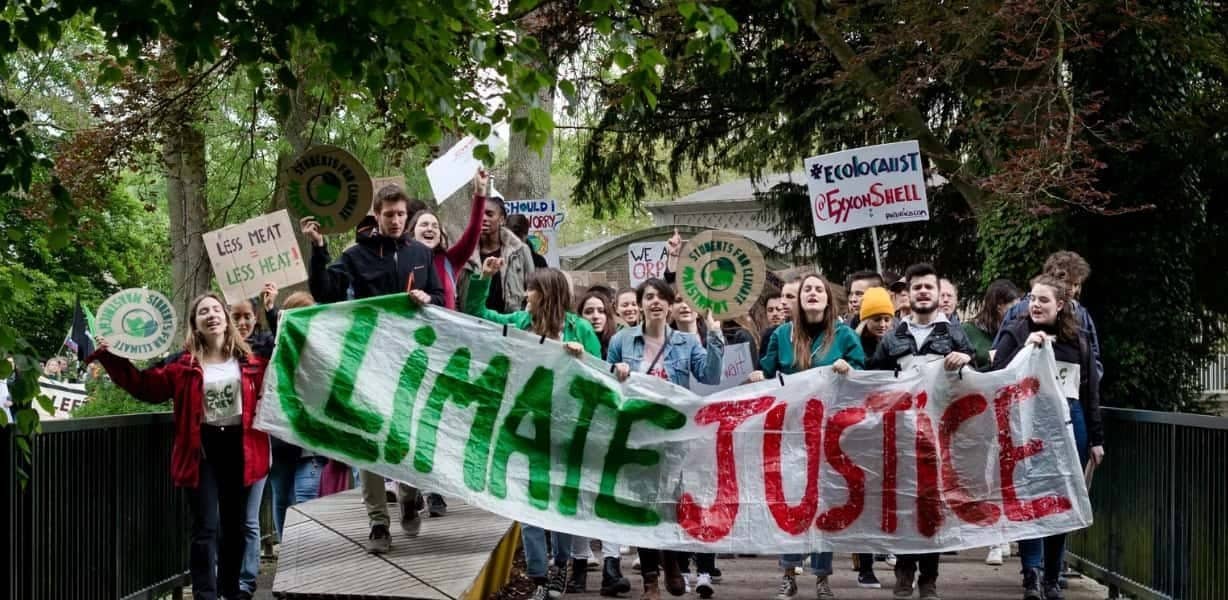
Last but not the least, while several climate justice issues are no doubt being discussed at the ongoing Turkey conference, the past experience has been that after all the previous talk and commitments, the actual results have been disappointing. So can the discussions on climate justice take place in such a way that we actually move forward in meaningful ways, in a way that justice actually means justice.
In brief, we have highlighted the need to include issues neglected in the past and to engage more meaningfully with persistent issues that have not yielded encouraging results. One hopes that these issues can get better attention at COP31.
Disclaimer:The views and opinions expressed in this article are those of the author(s) and do not necessarily reflect the official policy or position of The Rift.