Opening The Rift
therift
© 2026 The Rift. All Rights Reserved.
Corporate Laws Amendment Bill 2026: Decriminalizing India’s Boardrooms
By replacing jail sentences with financial penalties, the state officially concedes that for giant conglomerates, breaking the law is simply another line item on the balance sheet.

Key Takeaways
1 of 3
“Introduced in the Lok Sabha on March 23, the Corporate Laws Amendment Bill 2026 aims to comprehensively rewrite the rules of corporate accountability.”
Automatically generated. Read full article for complete context.
A quiet but profound shift in how the Indian state regulates massive wealth is currently moving through Parliament. Introduced in the Lok Sabha on March 23, the Corporate Laws Amendment Bill 2026 aims to comprehensively rewrite the rules of corporate accountability. Under the heavily promoted mechanism of improving the ease of doing business, the state is systematically stripping criminal liabilities out of the Companies Act and the Limited Liability Partnership Act. The goal is blunt: replace the threat of prison with the inconvenience of a fine.
The logic presented by the government sounds entirely reasonable. Business leaders should not face prison sentences for clerical errors, delayed filings, or minor procedural defaults. A system clogged with thousands of minor corporate prosecutions benefits no one. By converting these criminal offences into civil defaults overseen by an internal adjudication mechanism, the government expects to clear judicial backlogs and encourage corporate growth without the looming threat of the police.
Yet, this restructuring carries an unmistakable message about the nature of justice in modern India. When the state removes the threat of incarceration from corporate boardrooms, it fundamentally alters the calculation of compliance.
The Price of Admission
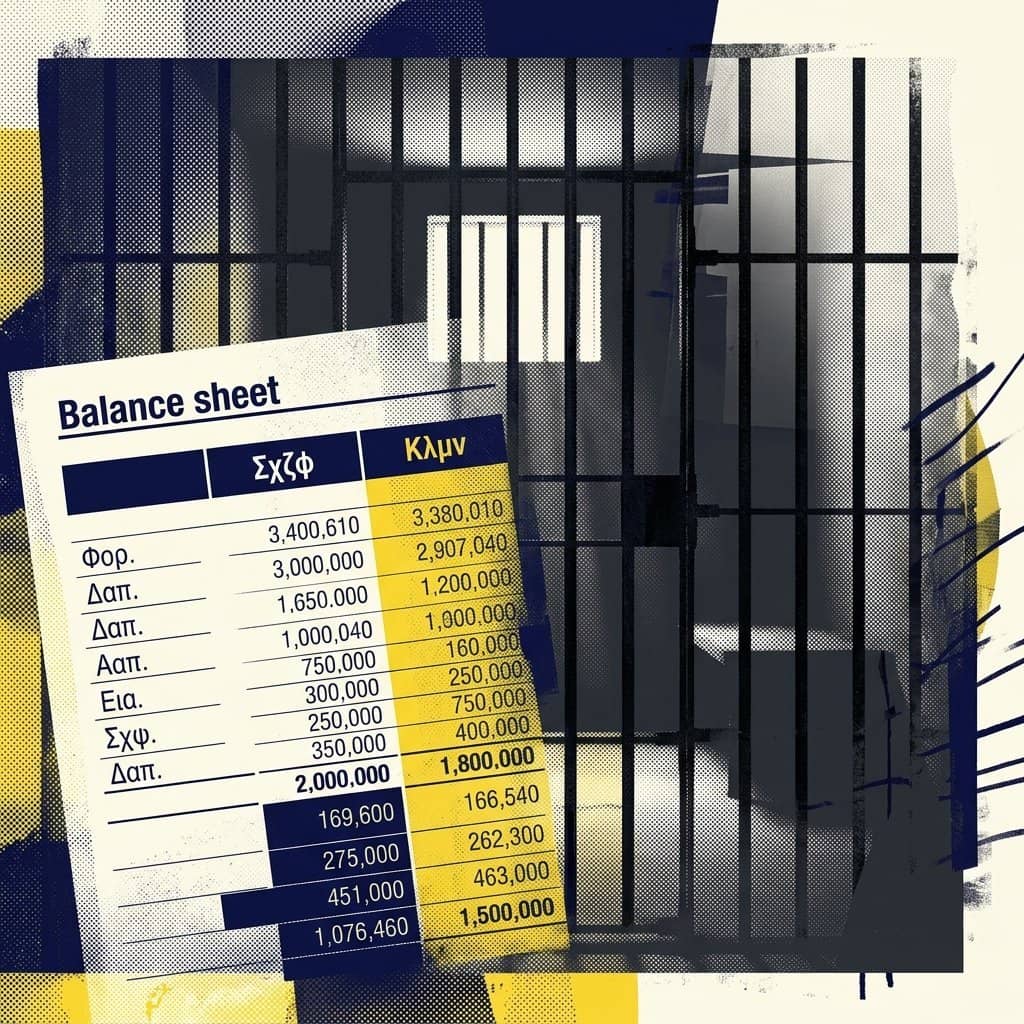
The reality of the corporate marketplace dictates that a financial penalty is not a punishment. It is merely a business expense. When an offence carries a criminal penalty, a corporate director must personally weigh the risk of losing their freedom against the potential financial upside of the violation. The threat of a jail cell acts as a great equalizer. A billionaire and a small business owner fear a prison sentence equally.
The Corporate Laws Amendment Bill 2026 fundamentally breaks this equality. When an offence is strictly punishable by a civil fine, the deterrent effect evaporates for massive conglomerates. If ignoring a regulatory requirement generates a hundred million rupees in profit, and the resulting civil penalty is only ten million rupees, the violation is no longer a crime. It is a highly profitable investment strategy.
This creates a two-tiered system of accountability. For a small or medium enterprise, a heavy fine can force bankruptcy, ensuring compliance through financial terror. But for massive, politically connected conglomerates, the exact same fine is absorbed into quarterly expenses without a blink. The legislation effectively legalizes poor governance for those who can afford the entry fee.
The Retreat of the State
This bill is part of a larger, systemic retreat by the Indian state from policing corporate behavior. The government has openly stated its intent to trust wealth creators. The bill further relaxes requirements around Corporate Social Responsibility, increasing the net profit threshold for CSR applicability to Rs 10 crore , exempting thousands of moderately successful companies from mandatory social contributions.
We must examine this trend carefully. Decriminalizing technical defaults sounds efficient on paper. However, many major corporate frauds begin precisely as “technical defaults.” The failure to file accurate audit reports, the hiding of subsidiary information, or the failure to conduct proper board meetings are rarely innocent administrative errors. They are very often the early, systemic mechanisms used to orchestrate massive financial deceit. By reducing the early indicators of fraud to mere civil infractions, the state guarantees that major financial crimes will only be detected after the collapse is complete and the money has vanished.
The state is essentially building a highly insulated legal structure for the corporate elite. The message is painfully clear. If a common citizen violates the law, the state responds with the full, aggressive force of the criminal justice system. If a corporate boardroom violates the law, they get a bill in the mail.