Opening The Rift
therift
© 2026 The Rift. All Rights Reserved.
Iran-US Ceasefire and the 10-Point Proposal: A strategic Victory for Tehran
The two-week halt in hostilities is being aggressively framed in Washington as de-escalation, but the framework of the negotiations suggests Iran has successfully rewritten the rules of power in the Middle East

Key Takeaways
1 of 3
Automatically generated. Read full article for complete context.
When U.S. President Donald Trump announced a two-week ceasefire agreement with Iran earlier this week, the immediate priority in Washington was to declare an end to imminent, devastating military escalation. But as the dust settles on the opening salvos of Operation Epic Fury, a closer reading of the diplomatic maneuvering reveals a stark reality. The geopolitical framework underpinning the highly debated Iran US Ceasefire 10 Point Proposal is ultimately a major strategic victory for Tehran, not Washington. By actively shifting the terms of the conflict away from American ultimatums and toward its own comprehensive demands, the Iranian establishment has managed to dictate the pace of regional diplomacy while fundamentally eroding the aura of absolute American military deterrence.
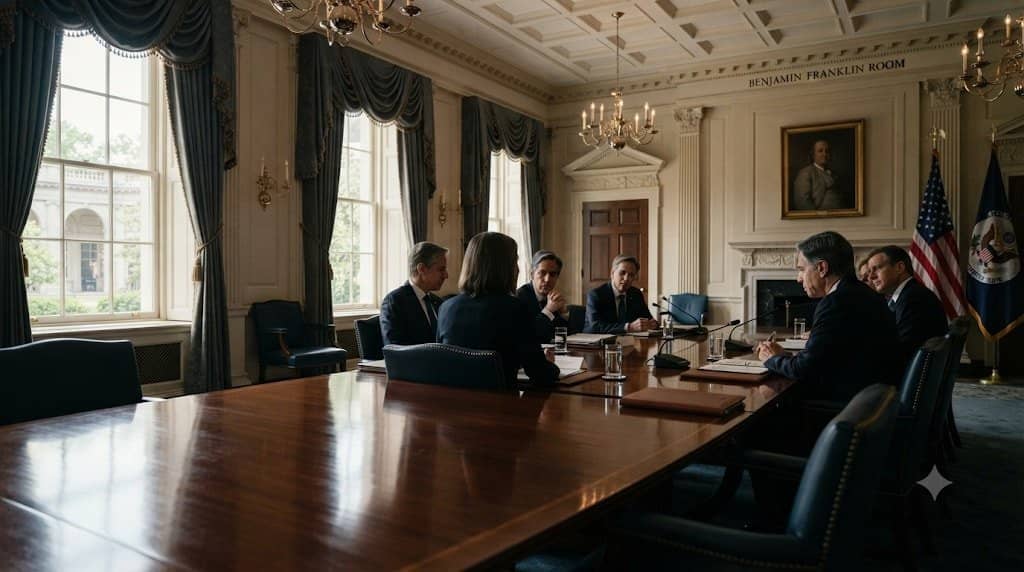
The cessation of hostilities, brokered rapidly through the diplomatic channels of Pakistan over the weekend, marks a defining inflection point in Middle Eastern statecraft. It arrived just hours before an American deadline that threatened significantly broader strikes against Iranian critical infrastructure, including its vulnerable energy sector and military command centers. Yet, rather than capitulating under the immense pressure of an escalating air campaign, Iran essentially parried the threat by presenting a roadmap that Washington felt compelled to accept as a “workable basis” for further talks in Islamabad. For a nation historically boxed into defensive, reactive postures by overwhelming Western firepower, setting the table with its own ten demands is a masterclass in asymmetrical statecraft.
Reordering the Geopolitical Table
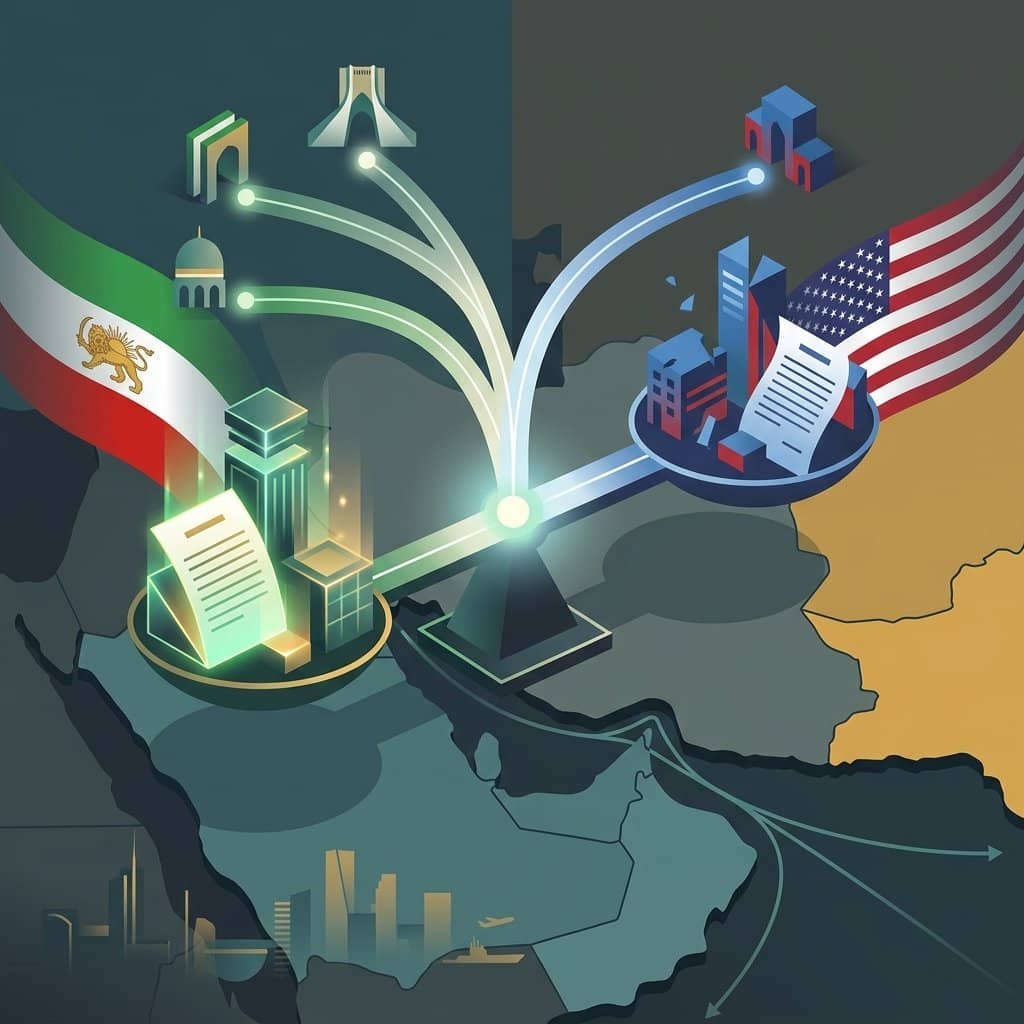
To understand why the framework is being quietly celebrated by Iranian officials as “great victory”, one must examine the specific elements published by Iranian state media. The package is sweeping in its scope: the complete lifting of primary and secondary sanctions, the withdrawal of all U.S. combat forces from the region, the termination of punitive UN Security Council resolutions, and the unquestioned international acceptance of its domestic nuclear enrichment program. It is a wish list designed to reverse a decade of maximum pressure in a single stroke.
While the White House has aggressively pushed back against these specifics, dismissing the most maximalist demands as fraudulent or unserious positioning for closed-door negotiations, the optics alone grant Iran an enormous first-mover advantage. Iran did not agree to sit down based on an American list of prerequisites or a demand for immediate demilitarization. Instead, the United States agreed to a pause predicated on an Iranian document. In the high-stakes theater of international diplomacy, conceding the foundational framework of negotiations is halfway to conceding the negotiation itself. By forcing the U.S. administration to engage directly with its 10-point roadmap, Tehran successfully sidelined traditional Washington-led tracks and established its own parameters for what peace should look like.
The Hormuz Concession
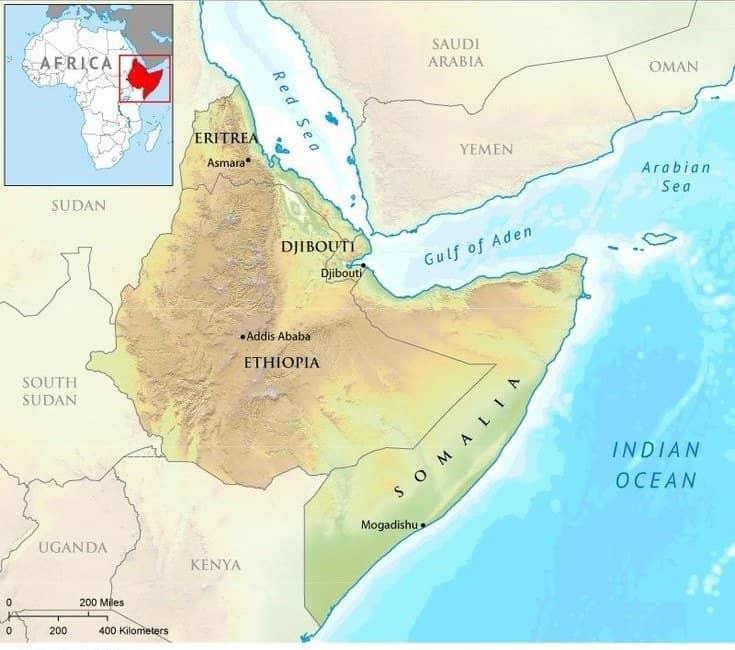
The most immediate, tangible element of the agreement—and perhaps its most controversial—revolves around the critical Strait of Hormuz. The strategic choke point, through which approximately a fifth of the world’s daily oil consumption passes, has always been the ultimate trump card in Tehran’s geopolitical deck. The American administration heralded the ceasefire by pointing to a major early concession: Iran’s apparent commitment to an immediate and safe reopening of the waterway to ensure global supply chain stability.
However, the specific mechanism of this reopening is where the strategic balance tilts. Allowing Iran to maintain sovereign oversight over the strait, potentially including the ability to dictate transit protocols or demand assurances from passing vessels, effectively normalizes Iranian custodianship of the world’s most critical maritime artery. If the U.S. military cannot, or will not, enforce unimpeded global access through unilateral overwhelming force, and instead relies on a negotiated Iranian assurance, the fundamental premise of American security guarantees in the Persian Gulf is hollowed out. A temporary American goal—preventing an immediate, catastrophic shock to global energy prices—has been secured at the incredibly high cost of legitimizing ongoing Iranian leverage over western shipping lanes.
Riyadh Shifts Its Stance
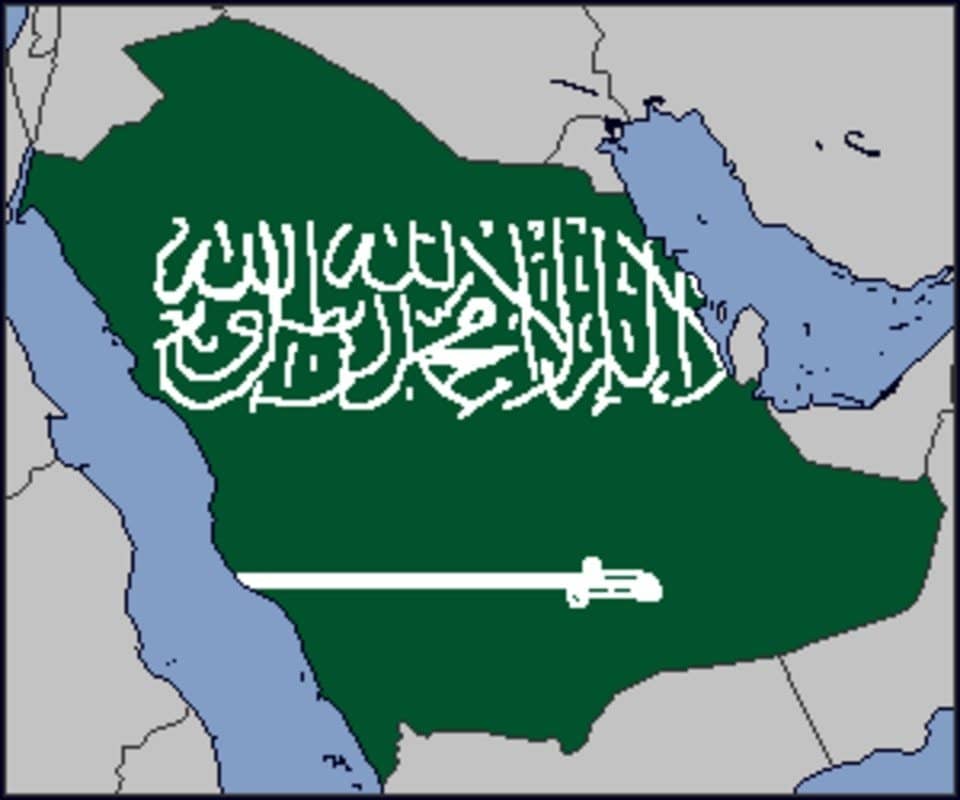
Perhaps the most telling secondary indicator of Iran’s success is the reaction radiating from the capitals of neighboring Arab states. For decades, the Gulf monarchies relied implicitly on the American security umbrella to deter Iranian regional ambitions. Yet, as the conflict briefly spiraled, countries like Saudi Arabia found themselves structurally vulnerable, targeted by regional proxy strikes while remaining largely outside Washington’s erratic decision-making loop. The stark realization that American military power could invite immense domestic risk without providing foolproof protection has triggered a profound strategic recalibration across the Arabian Peninsula.
On April 9, barely a day after the ceasefire was announced, Saudi Foreign Minister Prince Faisal bin Farhan initiated a direct phone call with his Iranian counterpart, Abbas Araghchi. This marked the first official high-level contact between the two rivals since the conflict ignited. The Saudi Ministry of Foreign Affairs publicly welcomed the cessation of hostilities, positioning the Kingdom strictly as a proponent of comprehensive and sustainable de-escalation rather than a cheering bystander to American kinetic action.
This is decidedly not the posture of a confident ally watching its primary adversary being brought to heel. It is the posture of a pragmatic power recognizing a harsh new reality: the United States cannot permanently solve the ‘Iran problem’ through force alone, and therefore, regional actors must preemptively seek their own detenté. When Riyadh prioritizes direct engagement with Tehran to protect its own energy infrastructure over backing an American military campaign, it unmistakably signals that the balance of regional diplomatic influence has shifted decidedly in Iran’s favor.
The Costs of Immediate De-escalation
The political establishment in Washington has understandably sought to spin the two-week pause as a pragmatic, hard-won success. Administration officials have asserted that the preceding military strikes degraded sufficient immediate threats to allow for negotiations from a position of relative American strength. By averting a broader regional war that the American public fundamentally does not possess the political stomach to fight, the White House has checked a necessary domestic political box.
But this represents an incredibly narrow, short-term interpretation of strategic success. True de-escalation implies returning to a status quo ante where the primary threat has been neutralized or permanently deterred. In this case, the threat has merely been postponed, and the adversary has been granted equal—if not superior—footing at the negotiating table. Critical observers and defense analysts have rightfully pointed out that without dismantling Iran’s nuclear capabilities or severely curtailing its proxy networks—both original purported goals of maximum pressure campaigns—accepting the current Iranian-led framework represents a profound strategic setback.
Furthermore, the explicit exclusion of the ongoing conflict in Lebanon from the ceasefire terms highlights the dangerously fragmented nature of the agreement. Iran has essentially secured a vital reprieve for its domestic infrastructure and immediate military assets, while simultaneously maintaining its broader regional operational capacity through heavily armed allied proxies in the Levant. It is a textbook example of having your cake and eating it too.
A Precarious New Order
As teams of diplomats prepare to meet in Islamabad to hash out the grueling mechanics of a longer-term settlement, the immediate aftermath of the ceasefire offers a stark lesson in modern deterrence. Military supremacy does not automatically translate into diplomatic leverage when an adversary possesses the iron will to absorb punishment and the capacity to threaten global economic stability in return.
The current pause in violence is overwhelmingly fragile, and the ensuing negotiations are practically guaranteed to be protracted and fraught with near-miss crises. However, the initial victory belongs entirely to Tehran. By surviving the apex of American military threats and forcing a transition into a negotiated framework defined by an Iranian proposal, the Islamic Republic has demonstrated the strict functional limits of American coercion. The Arab states are watching closely, adjusting their defenses, and hedging their bets. Regardless of what the final finalized treaty looks like, the initial phase of this diplomacy has already codified Iran as an immovable pillar of the Middle Eastern order—a status it achieved precisely by refusing to yield the pen that drafted the terms of peace.
Disclaimer:The views and opinions expressed in this article are those of the author(s) and do not necessarily reflect the official policy or position of The Rift.