Opening The Rift
therift
© 2026 The Rift. All Rights Reserved.
The Aesthetic of Resistance: Zohran Mamdani and the Machinery of Liberal Depoliticization
When resistance can be worn to a swearing-in ceremony, it has already been domesticated.

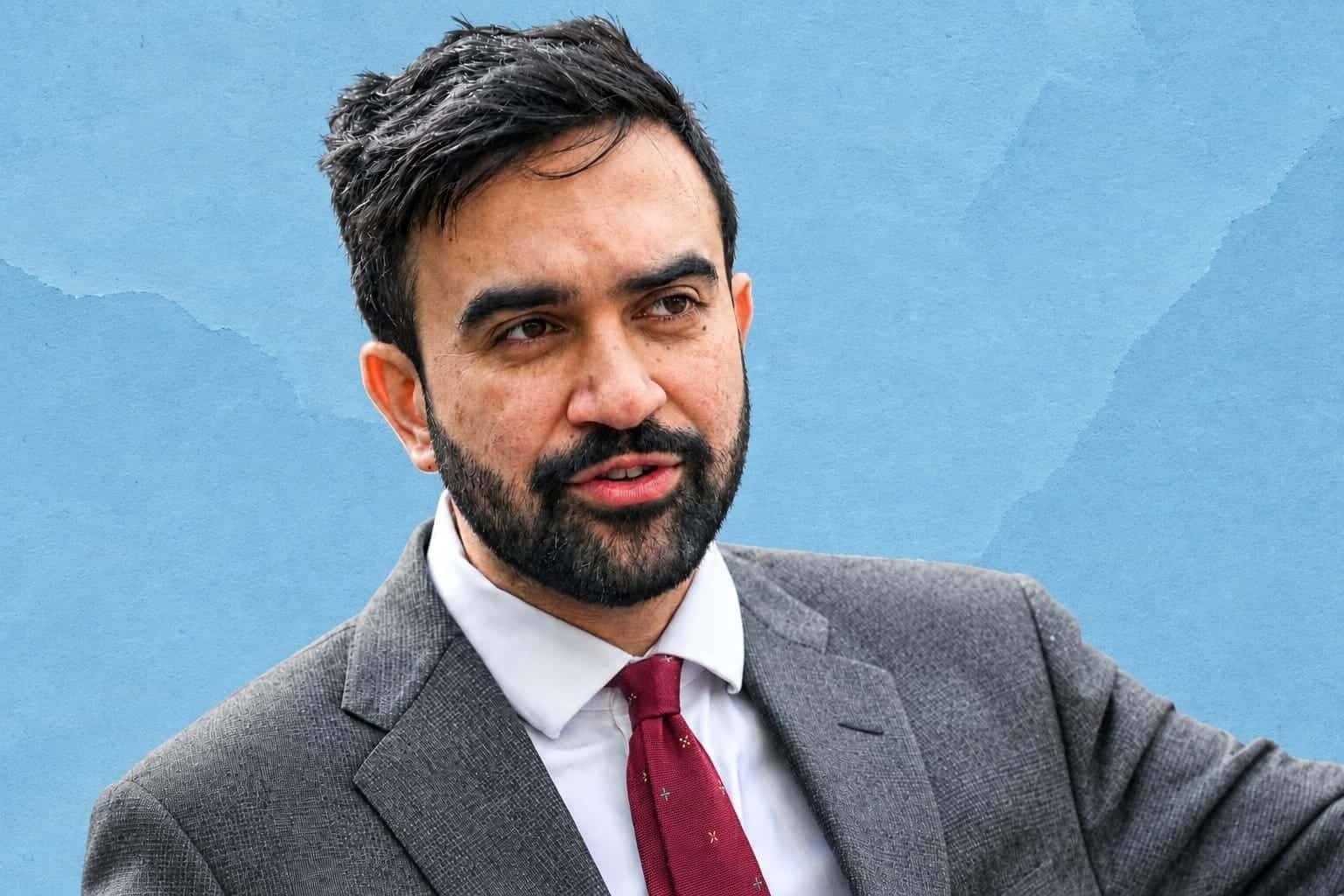
Zohran Mamdani
Key Takeaways
1 of 3
Automatically generated. Read full article for complete context.
Every empire eventually learns that the most durable form of control is the one that feels like participation. Coercion invites resistance, but inclusion invites gratitude. Neoliberal democracy borrows the vocabulary of liberation while leaving the architecture of control untouched, and he is its newest and most polished product.
An Instrument of the state apparatus
First as an assemblyman, and now as mayor of the largest city in the imperial core, Zohran Mamdani works inside the infrastructure of the American state. That makes him an instrument of the state apparatus, whatever he believes. The system can no longer rely solely on white men in white suits to sustain its legitimacy. It needs brown faces in blazers, so the margins can feel represented. That this representation rarely produces liberation is beside the point, because liberation was never the function.
Mamdani is the finished product of a turn that already manufactured the iconography of Barack Obama and Kamala Harris – symbolically insurgent, structurally obedient. Obama arrived as hope incarnate and left having presided over drone campaigns and mass deportations. Harris arrived as a milestone and campaigned as a prosecutor. The image did the work the policy could not.
Mamdani’s appeal is seductive to those attuned to the language of progressiveness — he is visibly brown, Muslim, anti-capitalist, pro-Palestine. He speaks the language of the left and quotes the idioms of the struggle. Each of these attributes is genuine, and each is also legible to the machinery that elevated him. The media can celebrate him because he is a story about the country’s capacity for change.
The Empire’s Ledger Does Not Record Voices
However progressive his talking points, he remains a functionary of the state, a radical man in respectable clothing. I believe Mamdani is sincere. It doesn’t matter, because the machinery he operates in is not. Sincerity is a property of individuals, and the state is not an individual. Inside those constraints, Mamdani can only offer legislative remedies for structural decay, and a budget line cannot undo what a system was built to do. We cannot trust the benevolence of the American state and its extensions, no matter who is elected to manage them.
Defenders will say that governing is how material conditions change, that a freeze on rents or a fare-free bus is worth more to a working family than any amount of radical theory. There is something to this. Reforms are real, and they are precisely what makes the arrangement stable. A system that offers nothing invites revolt, while a system that offers something, at the right moment and through the right face, buys patience. Concession is how power renews itself. The relevant question is never whether a reform helps someone, but what it does to the appetite for more.
Mamdani’s election win may feel like a victory. But over the long run, his role is to stabilize dissent and channel fury into policy briefs. Anger that once filled the streets is now asked to fill out volunteer forms, and the energy of a movement is converted into the machinery of a campaign, and then into the machinery of a government that answers to none of the movement’s demands.
Solidarity Curdled into Fandom
Neoliberalism has learned to aestheticize resistance rather than amplify it, producing symbolic revolutionaries whom the media adores precisely because they pose no threat. Solidarity curdles into fandom. The movement gets a face to admire. Consumption of the image replaces participation in the struggle, and the image is always available at a lower cost.
Meanwhile, the substance of imperial power goes untouched. A mayor, however principled, does not command the arms shipments, the sanctions regimes, or the trade architecture that shape life across the Global SouthGeopolitical TermA term used to refer to countries often described as developing or less developed, primarily located in Asia, Africa, and Latin America, emphasizing shared experiences of colonialism and economic inequality.. Those belong to a different tier of the state, one that no municipal election can reach. America manufactures its radical-appearing insiders to appease its liberal opposition while the systematic exploitation of the Global South continues as before. The insider may voice solidarity, but the empire’s ledger does not record voices.
Mamdani may be a good man, and even a good mayor, but that is beside the point. The question is what a system gains by elevating him, and what we forfeit by mistaking his elevation for our own. When resistance can be worn to a swearing-in ceremony, it has already been domesticated.
Liberation has never been achieved from inside the offices of the state. It happens in the organizing, the refusal, and the solidarity that no election can grant and no administration can deliver. It happens in the places where power is not offered but confronted, and where nobody is asked to be grateful for being seen. Until we can tell the difference between representation and power, the empire will keep handing us the former and keeping the latter for itself.
Disclaimer:The views and opinions expressed in this article are those of the author(s) and do not necessarily reflect the official policy or position of The Rift.
*Zohran MamdaniAmerican PoliticsDepoliticizationNeoliberalismResistanceState ApparatusZohran Mamdani