Opening The Rift
therift
© 2026 The Rift. All Rights Reserved.
State-Level Convention for the Protection of Natural Resources Protests Mineral Exploitation and Repression of People’s Movements.
Odisha’s state-level convention fiercely protested indiscriminate mineral exploitation, police repression, and the alleged curtailment of Gram Sabha rights. Announces Statewide Protest on October 27

Key Takeaways
1 of 3
Automatically generated. Read full article for complete context.
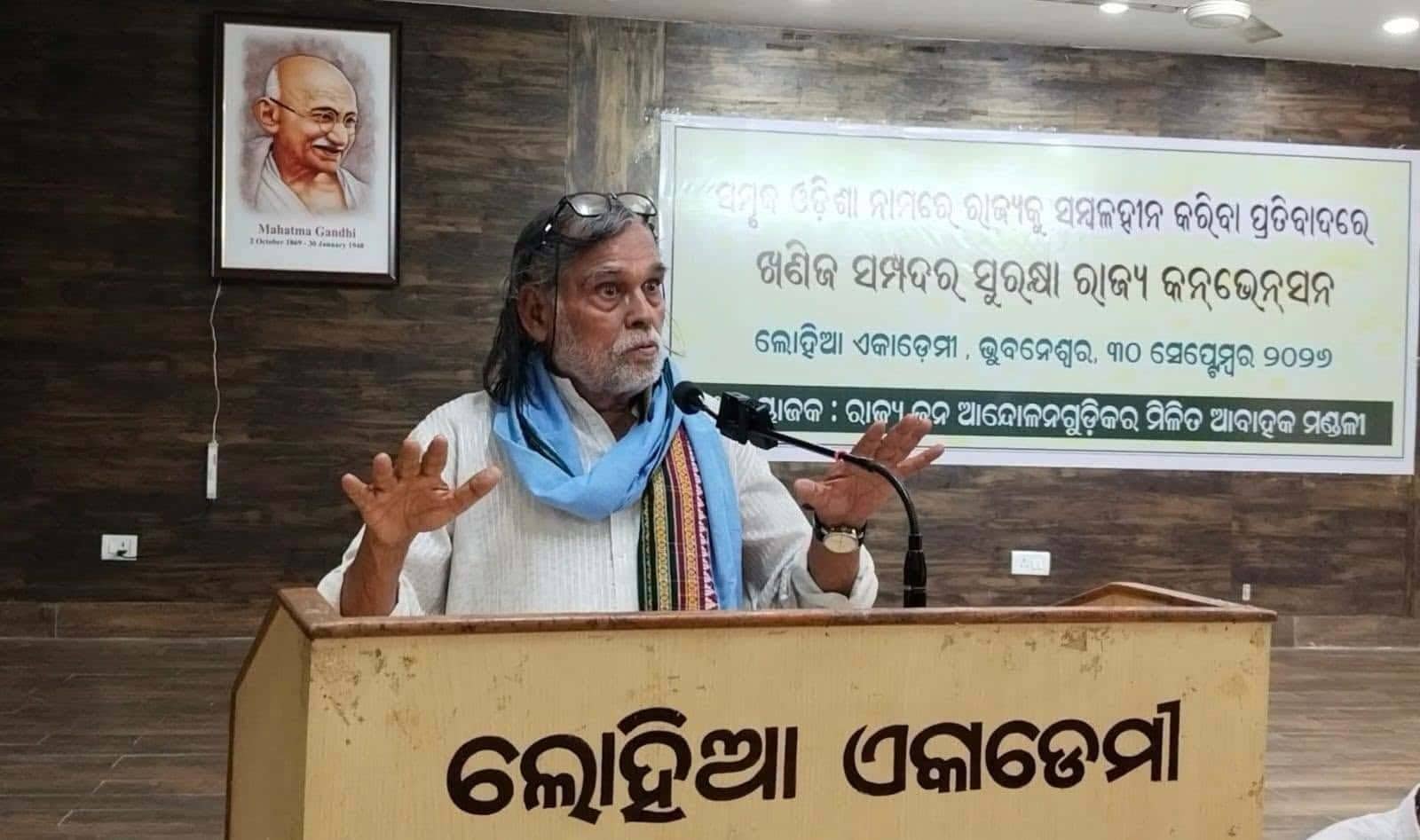
Bhubaneswar, Odisha: A state-level convention on the protection of mineral resources was held at the Lohia Academy in Bhubaneswar on September 30, 2026. Participants raised concerns over the indiscriminate exploitation of mineral resources in corporate interests, the 2026 amendment to the Mines and Minerals (Development and Regulation) (MMDR) Act, and the alleged curtailment of Gram Sabha rights under the Forest Rights Act by the Central Government.
The convention brought together concerned citizens, retired administrative officials, and representatives and leaders of various political parties, mass organisations and people’s movements from across Odisha.
Speakers Raise Concerns Over Mining and Displacement
Speakers at the convention raised concerns over the excessive exploitation of natural resources in the name of “development.” They argued that such activities are gradually depleting the state’s natural resources while contributing to displacement and the loss of livelihoods.
They expressed concern over the successive granting of mining leases and auctioning of bauxite mines, stating that the developments could pose serious challenges for southern and western Odisha.
Participants also criticised police repression against people protesting for the protection of water, land, forests and the environment. They alleged that such actions were being carried out in the interests of companies while overlooking the concerns and demands of affected communities.
Vedanta, Adani, BALCO Mining Projects Draw Concern at State Convention
The convention discussed several bauxite mining projects across Odisha and raised concerns over the expansion of mining activities in the state’s mineral-rich regions.
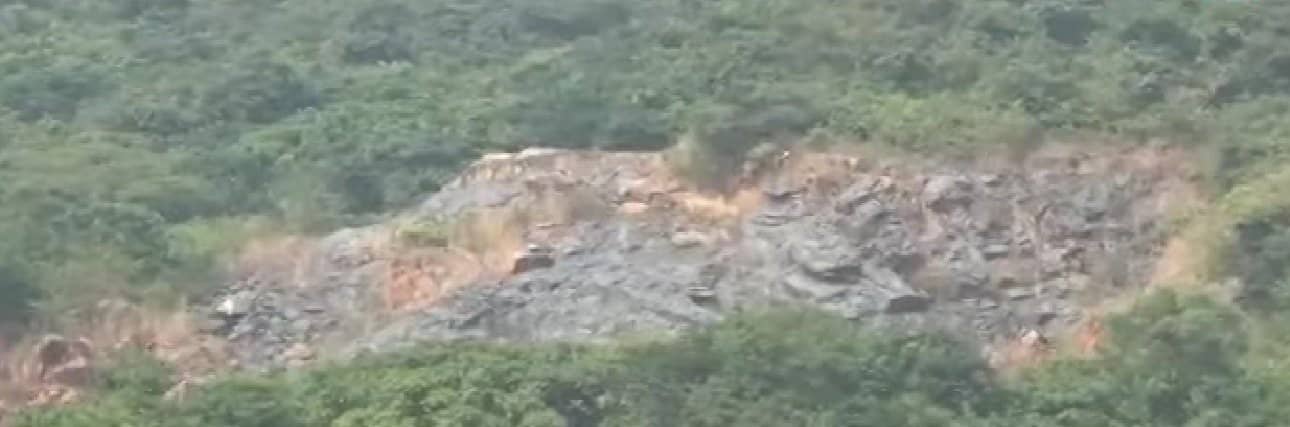
Participants said the Tijimali (Sijimali) bauxite mine in Rayagada and Kalahandi had been handed over to Vedanta, while the Kutrumali mine had been awarded to Adani. They further stated that the Karlapat mine had been leased to BALCO, which they described as a Vedanta partner.
The projects were highlighted during the convention amid concerns over the growing scale of mining activities and their potential implications for local communities, livelihoods and the environment.
Five Odisha Districts Identified as Major Bauxite Regions
According to speakers at the convention, more than 55 percent of India’s bauxite reserves are located in five districts of western and southern Odisha—Bargarh, Balangir, Kalahandi, Rayagada and Koraput.
The speakers identified several mineral-rich areas across these districts, including Gandhamardan, Niyamgiri, Karlapat, Khandualmali, Manjimali, Sijimali, Kuturumali, Sashu-Bohumali, Baphilimali, Kodingamali, Nageswari Hill, Panchpatmali, Karnakonda, Serubandh and Deomali.
NALCO, OMC and Aditya Birla Mining Operations Raise Water Concerns
Participants said NALCO, OMC and Aditya Birla currently hold mining leases and are continuing operations at Panchpatmali, Baphilimali and Kodingamali.
They expressed concern that mining activities could affect water sources in the Kashipur and Thuamul Rampur areas, as well as the water systems of the Kolab, Sabari, Jhanjavati, Nagavali, Hati and Tel rivers and several tributaries.
Concerns Over Water Sources and Environmental Impact
Speakers argued that bauxite mining could have serious impacts on hills, forests and natural water reservoirs. They expressed concern that perennial water sources and rivers could eventually dry up, while mining-related pollution could further affect local water systems.
Participants warned that continued environmental degradation could lead to increasing water scarcity and ecological problems in fertile parts of Odisha. Some speakers also expressed concern that large-scale environmental degradation could pose a long-term threat to the state’s ecological sustainability.
Mining Concerns Extend to Tribal Livelihoods and Community Rights
The convention emphasised that the concerns surrounding mining extend beyond environmental protection, with speakers highlighting their potential impact on livelihoods and community rights.
Speakers linked mining and natural-resource extraction to the livelihoods of thousands of people and the rights of tribal communities who depend on water, forests and land for their sustenance.
The protection and conservation of natural resources for future generations was also highlighted as a key concern during the discussions.
Gram Sabha Rights Under Forest Rights Act Become Key Point of Debate
The convention also discussed the Forest Rights Act(FRA), 2006 , and the role of Gram Sabhas in decisions concerning the use and diversion of forest land.
Participants referred to a communication dated August 31 from the Union Ministry of Tribal Affairs to the Union Ministry of Power. According to the participants, the said communication stated that the FRA did not contain any provision requiring Gram Sabha consent for projects involving the use or diversion of forest land for non-forest purposes and that such matters fell outside its jurisdiction.
Speakers criticised this position, describing it as anti-tribal and alleging that it represented a serious misinterpretation of the law.
Supreme Court’s Niyamgiri Judgment and Gram Sabha Rights Come Under Discussion
The convention also discussed mining in Niyamgiri, with participants highlighting the role of Gram Sabhas in decisions concerning mining activities in the region.
Participants referred to the Supreme Court’s April 13, 2013 judgment concerning the rights of Gram Sabhas in relation to mining in Niyamgiri and stressed the importance of Gram Sabha consent in such matters.
They alleged that discussions between the Odisha government and Vedanta chairman Anil Agarwal regarding Niyamgiri were inconsistent with the principles laid down in the Supreme Court judgment.
Participants further alleged that Niyamgiri Suraksha Samiti president Lada Sikaka and adviser Lingaraj Azad had been arrested in cases they described as false and fabricated. They accused the government of attempting to suppress the voice of people’s movements by arresting their leaders in cases they described as false.
2026 MMDR Amendment Draws Opposition at State Convention
Another major issue discussed at the convention was the proposed implementation of the 2026 amendment to the Mines and Minerals (Development and Regulation) Act, 1957(MMDR).
Participants raised concerns that the amendment could affect the state’s taxation rights and increase the Central Government’s control over land and areas containing mineral resources.
They also expressed concern over provisions relating to the export of minerals intended for industrial use, arguing that allowing companies to export 100 percent of such minerals could lead to increased mineral exploitation in Odisha.
Tribal Affairs Ministry’s Letter Raises Questions Over Gram Sabha Authority
The convention also discussed a letter from the Union Ministry of Tribal Affairs to the National Hydroelectric Power Corporation (NHPC) concerning the rights and authority of Gram Sabhas over land and forest matters.
According to participants, the letter stated that Gram Sabhas did not have authority over the transfer of land and forests. Speakers expressed concern that such a position could weaken the role of Gram Sabhas in decision-making related to natural resources.
They said the issue reflected broader concerns over the control, use and commercial exploitation of India’s natural resources.
Convention Calls for Collective Action to Protect Natural Resources
Against this backdrop, the convention called for collective action to protect Odisha’s natural resources for future generations.
Participants also emphasised the need to safeguard the livelihoods and rights of thousands of people and stressed the importance of protecting the people’s rights over the state’s mineral resources.
Presidium and Convention Leadership
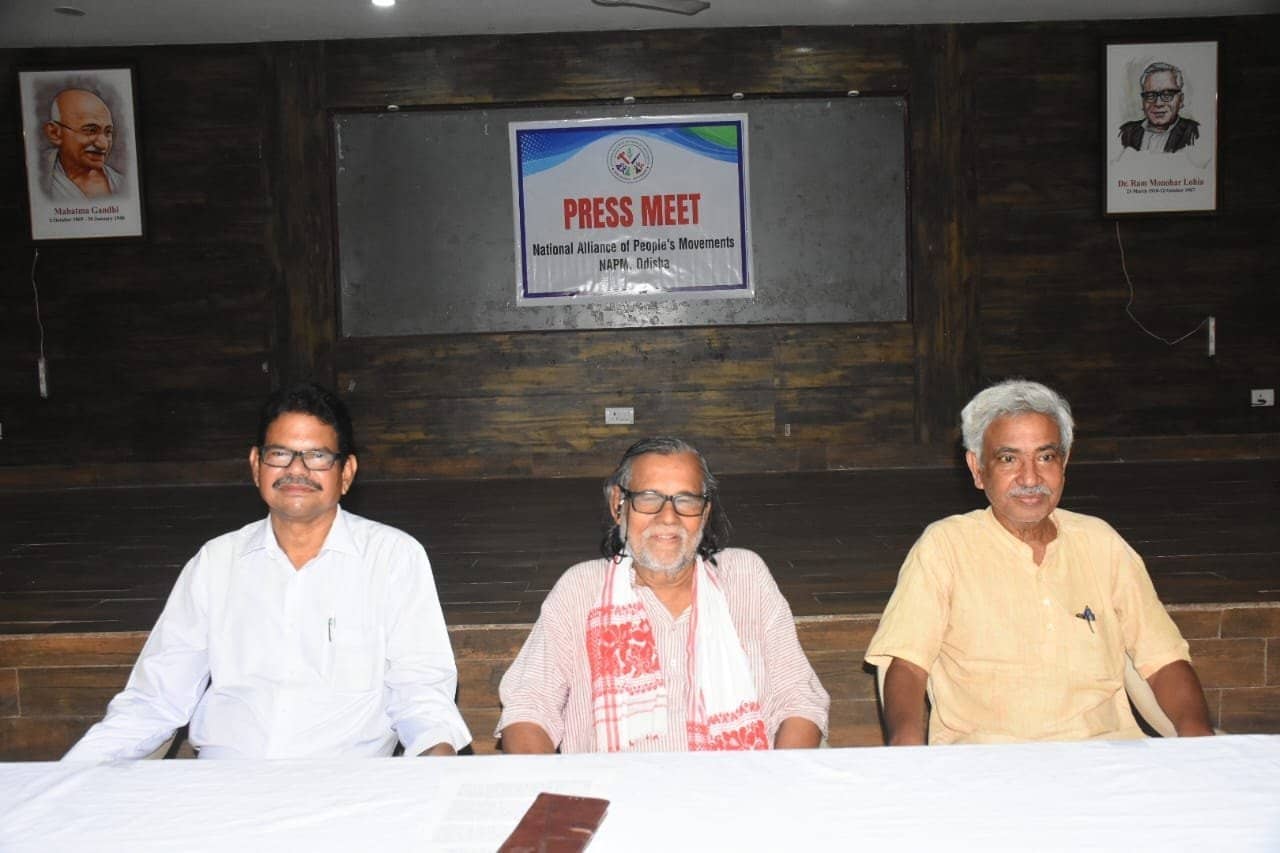
The convention was conducted by a presidium comprising Lingaraj Pradhan, Narendra Mohanty, Srikant Mohanty, Binita Kadraka and Laxmi Sisa.
Noted environmentalist Prafulla Samantara spoke about the objectives and approach of the convention.
Former Officials, Journalists and Farmers’ Organisations Participate
During the first session, former administrative officers Sanjib Hota and Arabinda Behera, senior journalist Ravi Das, All India Kisan Khet Mazdoor Sangathan leader Sadashib Das, All India Revolutionary Kisan Sabha leader Shankar, All India Kisan Sabha’s Yameswar Samantaray, Professor Swadhin Patnaik, Amiya Mohanty, Bijay Bahidar, Golakh Bihari Nath, Kapileswar Mishra, All India Khet Mazdoor Kisan Sabha’s Basudev Das, Mihir Pratap Das, Surendra Tapasu, student leader Sanghamitra Jena and Basti Suraksha Manch’s Henarani, among others, participated in the discussions.
People’s Movements Discuss Ways to Strengthen Coordination and Unity
The afternoon session focused on strengthening coordination, unity and organisation among various people’s movements across Odisha.
Participants included Dasi Nandibali of the Koraputia Jan Suraksha Manch and Mali Parbat Suraksha Samiti, Ravi of the Serubandh Suraksha Samiti, Bijay Muduli of the Mali-Dangar Maha Gram Sabha (Balda), Dasru Kadraka of the Niyamgiri Suraksha Samiti, Bikash Sahu of the Keonjhar anti-ESSAR mining movement, Sanyasi Nayak of the Maa Mati Mali Suraksha Manch, Nachika Linga of Karnakonda (Narayan Patna), Trilochan Punji of the Gandhamardan Suraksha Samiti, Narayan Reddy of the Gopalpur Gana Sangram Samiti and Arun Jena of the Bhitamati Suraksha Andolan.
Lelin Kumar, Prashant Paikaray, Srimanta Mohanty and Debi Prasad Pusti also took part in discussions on strengthening unity and coordination among the various people’s movements.
October 27 Declared Statewide Protest Day
Leaders of the people’s movements declared that they would strengthen their movements for the protection of nature, the environment, life and livelihoods.
The convention unanimously decided to observe October 27 as a Statewide Protest Day in solidarity with the various people’s movements and their demands concerning natural resources, mining, environmental protection and community rights.
Awakening Songs Presented at the Convention
The programme concluded with performances of awakening songs by Rajkishore, Upendra and Balabhadra.
Disclaimer:The views and opinions expressed in this article are those of the author(s) and do not necessarily reflect the official policy or position of The Rift.