Opening The Rift
therift
© 2026 The Rift. All Rights Reserved.
Reclaiming Paradise: A Call for Safety and Dignity in Kashmir
Paradise is not created only by beautiful mountains. Paradise is created when people feel safe.

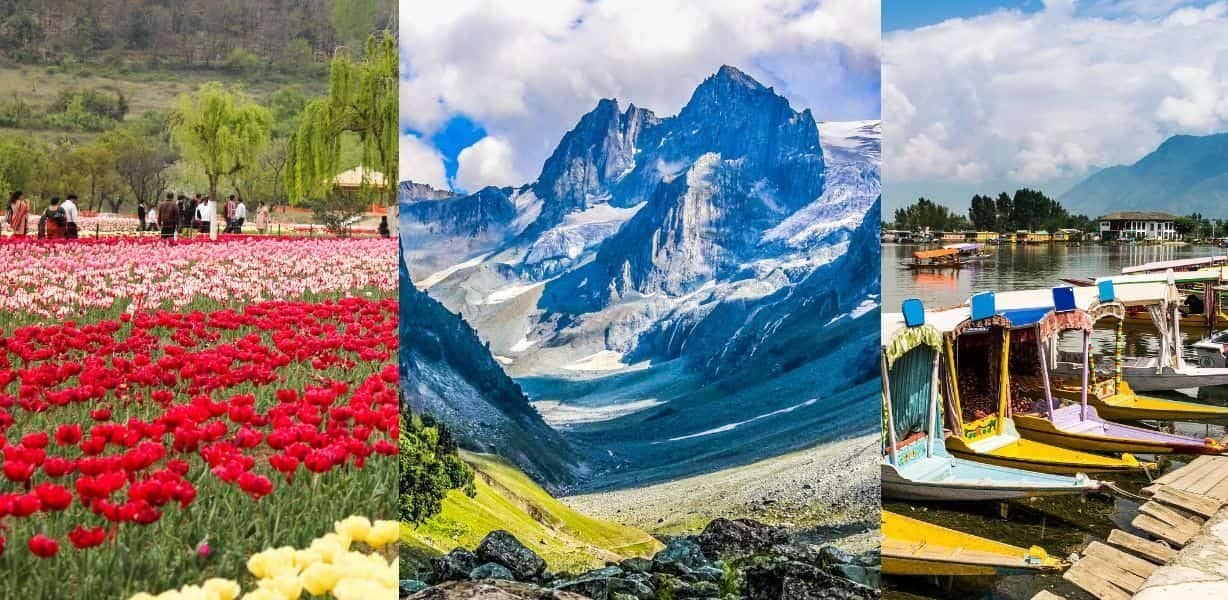
Kashmir, often referred to as paradise on earth, in a state of serene beauty (Representative Image)
Key Takeaways
1 of 3
Automatically generated. Read full article for complete context.
This is the story of Paradise, a place where everyone wants to come, whether they belong to this land or live far away from it. A place people dream about, a place they want to see at least once in their lifetime. That Paradise is our Kashmir.
For generations, Kashmir has been known for its breathtaking beauty, green mountains, flowing rivers, peaceful lakes, gardens, and the warmth of its people. It has been described as the land of saints (Peer Veer), where spirituality, hospitality, and human values have always been deeply connected with everyday life.
But today, sometimes, I feel ashamed to call myself a person from Kashmir, the Paradise we proudly speak about.
And the question is, why am I ashamed?
Why do I sometimes feel like hiding my identity?
The answers may be different for different people. Everyone may have their own reasons, their own experiences, and their own understanding of what is happening around us. But my answer is simple.
I want to live in a place where there is peace and dignity. I want to live in a society where women and girls can move freely without fear. I want every woman to feel safe inside her home, on the road, at her workplace, in an educational institution, in public transport, and everywhere else she has a right to be.
Is that really too much to ask?
Kashmir has always been known for its natural beauty and warm-hearted people. We often tell the world that Kashmir is different, that our people value relationships, respect elders, protect guests, and believe in humanity. We proudly speak about our traditions, our culture, our religious values, and our history of saints and scholars.
But then we have to ask ourselves: What are we seeing today? What are we hearing every day? What is happening around us, and where are we heading?
These are difficult questions, but they cannot be avoided.
When cases of violence against women and girls come before us, they do more than make headlines. They leave a wound in society. Every such incident forces us to question the values we claim to follow.
A girl should not have to think a hundred times before stepping outside her home.
She should not have to ask herself, “Will I return safely?”
She should not have to constantly check who is around her, whether the road is safe, whether the person standing nearby can be trusted, or whether she should call someone while travelling.
A woman should be able to walk without fear.
A girl should be able to study without fear.
A mother should be able to send her daughter outside without spending the entire day worrying about her safety.
And a home should be a place where a woman feels protected, respected, and valued.
Today, when reports of sexual violence and crimes against women continue to disturb us, the pain is difficult to explain. Every new case feels like another wound on the conscience of society. It becomes even more painful when such incidents happen in a society that often speaks so proudly about morality, religion, culture, and respect for women.
Then I ask myself: Are we really living according to the values we talk about?
Khud ko mard kehne wale, kya aisa kaam karenge?
Can a person who calls himself a man ever justify hurting a woman or a child?
What kind of strength is it to frighten someone weaker? What kind of courage is it to violate someone’s dignity? Real strength is shown through responsibility, self-control, protection, and respect. Masculinity should never be associated with violence, domination, or the ability to make someone live in fear.
We also have to ask another uncomfortable question.
Are we really learning from our faith and our traditions?
Are we truly following the teachings of Islam when we speak about respect and dignity but remain silent when someone’s dignity is destroyed?
Religion cannot simply remain in our words, our clothes, our gatherings, or our speeches. Its values have to appear in our behaviour. Respect for women, protection of children, honesty, compassion, accountability, and justice are responsibilities that belong to every individual.
If a woman does not feel safe even inside her own home, then something is seriously wrong with the society around her.
A home should be the first place of safety. It should be where a woman can breathe freely, speak freely, and live with dignity. When fear enters that space, the damage goes much deeper than one incident. It affects the emotional and psychological well-being of the entire family.
We often give examples of Kashmir when we speak to people from other cities, states, or countries. We tell them about our hospitality, our culture, our values, our Kashmiriyat, and our beautiful way of life.
But we must also have the courage to look within.
Can we still say that our society is as safe as we claim it to be?
Can we honestly tell our daughters that they have nothing to fear?
Can we tell our sisters, mothers, wives, and friends that they will always be respected wherever they go?
These questions should not be taken as an attack on Kashmir. They should be understood as a call for introspection.
Every society has problems. What matters is whether we are willing to recognise them and work together to change them.
The responsibility does not belong to women alone.
Women should not be told to dress differently, stay inside, avoid certain places, stop travelling, or change their lives because some men fail to control their behaviour. The responsibility for preventing violence belongs to the person who commits it and to the society that must refuse to normalise, excuse, or hide such behaviour.
Parents have a role. Schools and colleges have a role. Religious leaders have a role. Community leaders have a role. Law-enforcement agencies have a role. Young people have a role.
Most importantly, men have a responsibility to teach other men that respect is not weakness.
Our future is at stake.
What are we leaving behind for the next generation?
What message are we giving our children?
What values are they going to learn from us?
Will they learn that a girl should live carefully because the world is dangerous, or will they learn that every human being deserves dignity and safety?
Children learn more from what they see than from what we tell them. If we speak about respect but behave differently, they will learn the behaviour rather than the words.
Therefore, the change has to begin within our homes and communities. We need to raise boys who understand consent, boundaries, responsibility, empathy, and respect. We need to raise girls who know their worth and understand that silence is not the price they have to pay for acceptance.
We also need to stop treating serious crimes as temporary news stories. Justice must be meaningful, victims must be supported, and offenders must be held accountable through the law. Families should be encouraged to speak instead of being pressured into silence because of social reputation.
The reputation of a society is not protected by hiding its problems.
It is protected by having the courage to confront them.
I still believe in Kashmir.
I believe in its mountains, its rivers, its traditions, its people, and its history. I believe in the kindness that still exists in countless homes. I believe that Kashmir can remain a place where people feel welcome and where human dignity is respected.
But Paradise is not created only by beautiful mountains.
Paradise is created when people feel safe.
Paradise is created when a woman can walk on the road without fear.
Paradise is created when a girl can go to college without constantly worrying about her safety.
Paradise is created when a mother can sleep peacefully after her daughter leaves home.
Paradise is created when a woman feels safe outside her home, also inside it too.
This is the Kashmir I want. This is the Kashmir I want to belong to. And this is the Kashmir I want to leave for the next generation.
So perhaps the real question is not whether Kashmir is Paradise.
The real question is whether we are doing enough to make the people living in this Paradise feel safe, respected, and dignified.
Because beauty can attract the world to Kashmir. But justice, humanity, and safety are what will make people truly proud to call it home.
Disclaimer:The views and opinions expressed in this article are those of the author(s) and do not necessarily reflect the official policy or position of The Rift.