Opening The Rift
therift
© 2026 The Rift. All Rights Reserved.
India Records 2.63 Lakh TB Deaths in 2025; WHO Report Raises Questions Over Elimination Claims
India cannot eliminate TB while millions remain undernourished, underpaid and exposed to hazardous workplaces.
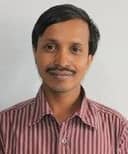

(Representative Image)
Key Takeaways
1 of 3
Automatically generated. Read full article for complete context.
Jan Swasthya Abhiyan India calls for transparency in TB data, improved treatment for drug-resistant tuberculosisResistant TB (DR-TB)A form of tuberculosis caused by bacteria that are resistant to at least one first-line anti-TB drug, making treatment more complex and prolonged. and stronger social protection for vulnerable communities.
New Delhi/Bhubaneswar November 15, 2026 : A press release dated 14 November 2026, issued by Gouranga Mohapatra / Amulya Nidhi and Amitava Guha / Mehjabin Bhat on behalf of the National CoordinationCommittee of Jan Swasthya Abhiyan India (JSAI), has raised serious concerns over India’s continuing tuberculosis (TB) crisis and questioned the government’s claims of rapid progress towards eliminating the disease.
According to the World Health Organization’s (WHO) Global Tuberculosis Report 2026, released on November 12, India recorded 2.63 lakh TB-related deaths in 2025. The report highlights the continuing scale of the TB burden and the urgent need for stronger public health interventions.
India accounts for approximately 25 per cent of global TB cases and 23 per cent of worldwide TB deaths, making it the country with the highest burden of the disease.
KEY METRICS & CHALLENGES
India’s TB Burden: A Snapshot from WHO Report 2026
TB Deaths in 2025
2.63 Lakh
Share of Global TB Cases
25%
Share of Global TB Deaths
23%
RR-TB Treatment Gap (Global)
58%
Households Facing Catastrophic Costs
47%
VISUALS BY THE RIFT
According to the report, India recorded 25.3 lakh notified TB cases in 2025, compared with 26.18lakh in 2024. Although the number of cases and deaths has declined marginally, more than 2.6 lakh deaths from a preventable and curable disease in a single year remain a major public health concern.
Jan Swasthya Abhiyan India (JSAI) has demanded greater transparency in TB-related data, urgent measures to address gaps in drug-resistant TB treatment and a comprehensive public health strategy that tackles malnutrition, poverty and occupational health hazards.
Decline in Mortality Does Not Reflect the Full Reality
The Union Ministry of Health and Family Welfare has highlighted a 38 per cent reduction in estimated TB mortality between 2015 and 2025, from 28 to 18 deaths per lakh population.
The government has also reported a 94 per cent treatment success rate for drug-susceptible TB. However, JSAI argues that these achievements should not overshadow the continuing scale of TB-related deaths and suffering.
The organisation pointed out that India achieved the WHO’s interim 2020 End TB mortality milestone five years behind schedule, raising concerns about the pace and effectiveness of the country’s elimination strategy.
Missing TB Incidence Data Raises Transparency Concerns
One of the major concerns highlighted by JSAI is the absence of India’s 2025 TB incidence estimates in the latest WHO report.
The WHO has kept the estimates under review pending technical calibration of a population-level sentinel survey conducted across 50 representative districts in 2025.
Additionally, the Government of India has not yet released its annual India TB Report, which is traditionally published around World TB Day in March and provides important state- and district-level data.
JSAI stressed that the absence of publicly available epidemiological data makes it difficult to independently assess the country’s actual TB burden and evaluate government claims of progress towards elimination.
The organisation has called for the timely publication of raw data, transparent reporting and independent scientific scrutiny.
Major Gaps in Drug-Resistant TB Treatment
The WHO report has also highlighted India’s significant gaps in the diagnosis and treatment of drug-resistant tuberculosis.
India is among the countries with the widest gaps between the estimated number of people developing drug-resistant TB and those actually receiving treatment. It has the largest treatment gap globally for rifampicin-resistant TB (RR-TB).
Globally, only 42 per cent of people estimated to have developed RR-TB received treatment in 2025.
According to JSAI, delays in universal drug-susceptibility testing, shortages of second-line diagnostic facilities at peripheral health centres and interruptions in treatment are contributing to continued transmission and preventable deaths.
The organisation has called for stronger diagnostic infrastructure and timely access to appropriate treatment, particularly in underserved areas.
Malnutrition and Poverty Continue to Fuel the TB Epidemic
JSAI emphasised that tuberculosis cannot be addressed merely as a medical problem, as its spreadis closely linked to poverty, undernutrition and unsafe living and working conditions.
The WHO estimates that 9.6 lakh new TB cases globally in 2025 were directly attributable to undernutrition.
In India, economically vulnerable communities, including daily-wage earners, informal workers,tribal and Dalit populations and migrant households, are disproportionately affected.
Many patients struggle to afford nutritious food during treatment. Loss of wages, indebtedness,travel expenses and other household costs further worsen their economic conditions.
The government provides ₹1,000 per month under the Ni-kshay Poshan Yojana, along with food baskets through voluntary Ni-kshay Mitra initiatives. However, JSAI considers this support inadequate to meet the nutritional requirements of TB patients and protect vulnerable family members.
The organisation also raised concerns over delays in Direct Benefit Transfers (DBT), arguing that voluntary charitable contributions cannot replace guaranteed nutritional assistance and universal social security.
Occupational Lung Diseases and Silicosis Often Overlooked
JSAI representatives Gouranga Mohapatra and Amulya Nidhi also drew attention to the widespread neglect of silicosis and other occupational lung diseases among workers in mining, stone quarrying,construction, foundries and brick kilns.
Silicosis significantly increases the risk of developing tuberculosis, a condition commonly referred to as silico-tuberculosis. However, cases are frequently misdiagnosed as ordinary pulmonary TB.
The organisation warned that treating affected workers only with anti-TB medicines, without proper occupational health screening, deprives them of timely diagnosis, appropriate clinical management and statutory workers’ compensation.
It called for systematic screening of workers exposed to silica dust and better integration of occupational health services into TB control programmes.
TB Treatment Continues to Push Poor Families into Debt
The financial burden of tuberculosis is another major concern.
According to the WHO report, 47 per cent of TB-affected households across surveyed high-burden countries face catastrophic costs. These include medical and non-medical expenses, such as transportation and food, along with lost wages, exceeding 20 per cent of annual household income.
Although anti-TB medicines are available free of cost in India’s public healthcare system, patients frequently incur substantial expenses before diagnosis, through private-sector consultations, travel and prolonged loss of daily earnings.
For working-class families, these expenses often lead to indebtedness and financial hardship.
JSAI has stressed the need for comprehensive financial and social protection measures to ensure that no family is pushed into poverty because of a TB diagnosis.
‘TB Elimination Is Impossible Without Social Justice’
Commenting on the findings, Amitava Guha and Mehjabin Bhat of Jan Swasthya Abhiyan India said that tuberculosis is a barometer of social justice.
“India cannot eliminate TB while millions remain undernourished, underpaid and exposed to hazardous workplaces. Saving the 2.63 lakh lives lost every year requires decisive action on the social and economic determinants of health,” they said.
JSAI Calls for a Comprehensive Public Health Response
Jan Swasthya Abhiyan India has urged the government to move beyond headline figures and adopta comprehensive, rights-based approach to TB elimination.
The organisation’s key demands include:
- Immediate publication of India’s annual TB report and transparent epidemiological data.
- Strengthening diagnosis and treatment facilities for drug-resistant TB.
- Ensuring adequate and timely nutritional support for all TB patients.
- Providing universal social security to patients and their vulnerable family members.
- Strengthening screening and diagnosis of silicosis and other occupational lung diseases.
- Preventing catastrophic out-of-pocket expenditure through stronger public healthcare services.
- Addressing the underlying causes of TB, including poverty, malnutrition, unemployment and hazardous working conditions.
JSAI reiterated that eliminating tuberculosis requires more than improved treatment statistics. It demands sustained public investment, accountability and action against the social and economic inequalities that continue to put millions of people at risk.
Disclaimer:The views and opinions expressed in this article are those of the author(s) and do not necessarily reflect the official policy or position of The Rift.