Opening The Rift
therift
© 2026 The Rift. All Rights Reserved.
Women’s Reservation 2026: Bypassing the Census for Early Rollout
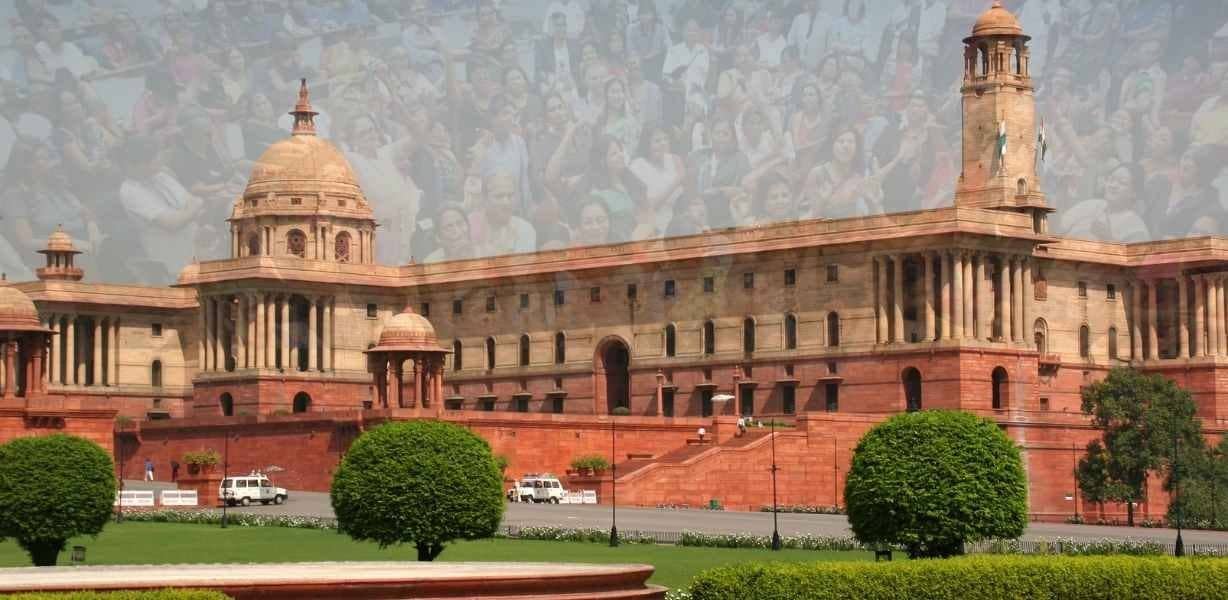
As the ruling dispensation explores an early rollout for the 33% women’s quota in Parliament, the move signals a high-stakes electoral gamble aimed at pre-empting the delimitation quagmire.

Key Takeaways
1 of 3
Automatically generated. Read full article for complete context.
For decades, the promise of equitable political representation for Indian women has been caught in a web of bureaucratic caveats. However, the Indian government is now reportedly fast-tracking the implementation of the Women’s Reservation , actively exploring mechanisms to enforce the 33% quota for women in the Lok Sabha as well as in the state legislative bodies without waiting for the delayed national census. If executed, this strategic legislative maneuver would fundamentally reshape the immediate electoral landscape, prioritizing immediate political dividends over the slow churn of procedural delimitation.
The Census and Delimitation Hurdle
To understand the magnitude of this accelerated timeline, one must look at the original framing of the Nari Shakti Vandan Adhiniyam (the 106th Constitutional Amendment) passed in 2023. The legislation explicitly dictated that the reservation would only trigger after the completion of the next decadal census—originally scheduled for 2021 but delayed by the pandemic—and a subsequent delimitation exercise intended to redraw constituency boundaries.
This built-in delay meant the quota was unlikely to materialize until the 2029 general elections, or perhaps even later. However, recent developments indicate a sharp pivot. Top government sources have revealed active consultations with opposition leaders to strike a consensus on an early rollout. By detaching the women’s quota from the highly volatile delimitation process, a move that inherently threatens the parliamentary seat share of southern states. The government is attempting to defuse a looming North-South political crisis while claiming a historic victory for women’s empowerment.
The Mechanism of Early Rollout
Executing this early rollout is not merely an administrative shift; it requires aggressive constitutional maneuvering. The most prominent solution currently being floated is the introduction of a lottery system to randomly select which one-third of the existing constituencies will be reserved for female candidates.
This bypass would necessitate a brand-new constitutional amendment to override the specific clauses of the 2023 Women’s Reservation Act that tied implementation to the census data. For the ruling party, bringing this amendment to the floor is a masterstroke in political optics. By offering an immediate 33% quota ahead of the crucial 2027 state elections in Uttar Pradesh and Uttarakhand, the government dares the opposition to vote against women’s empowerment on a technicality. The opposition, particularly the Congress, has recognized this trap, cautiously demanding an all-party meeting to scrutinize the proposed lottery mechanics to ensure seat allocations aren’t manipulated to favor incumbents.
The High Stakes of the Lottery System
While a lottery system offers a swift bypass, it injects an unprecedented level of chaos into established political machinery. For veteran male politicians across the spectrum, the specter of their carefully nurtured constituencies being randomly designated as “women-only” overnight is a terrifying prospect.
This unpredictability could trigger internal party rebellions. Political organizations rely on heavily entrenched local leaders whose financial and social capital dictate regional outcomes. Handing over 33% of these specific turf domains to female candidates, many of whom might be hastily selected proxies for their displaced male counterparts could dilute legislative quality in the short term. The risk of the “Sarpanch Pati” syndrome (where husbands or male relatives hold the actual power behind elected women) scaling up to the national level is an undeniable threat.
Prioritizing Representation Over Procedure
Despite the risks of proxy representation, the push for immediate implementation of Women’s Reservation represents a pragmatic realization as delayed justice in politics is often denied justice. Waiting for the delimitation exercise, which is already sparking intense regional anxieties over demographic penalization, could have trapped the women’s quota in parliamentary gridlock for another decade.
By separating the issue of female representation from the radioactive politics of constituency redrawing, the government is prioritizing immediate structural disruption over perfect procedural timing. If this constitutional amendment succeeds, it will force an overnight evolution of India’s political ecosystem. Parties will be compelled to frantically cultivate female leadership pipelines, permanently altering the demographic makeup of the world’s largest democracy.