Opening The Rift
therift
© 2026 The Rift. All Rights Reserved.
Four States One UT Voted. The BJP Won Where Voters Went Missing?
The 2026 assembly results have redrawn India’s political map. The BJP stormed Bengal and held Assam, the UDF swept Kerala, and Vijay’s TVK stunned Tamil Nadu. But the opposition says the biggest story is who was not allowed to vote.

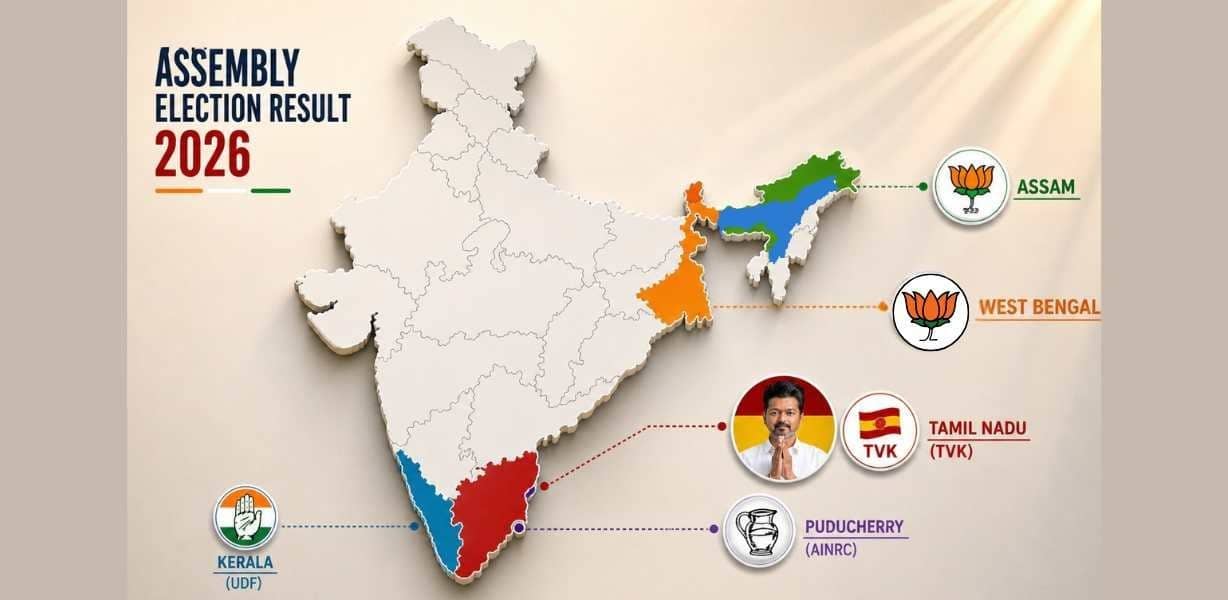
The Map is Representative Only
Key Takeaways
1 of 3
Automatically generated. Read full article for complete context.
The 2026 assembly election results, declared on May 4, have delivered the most consequential reshuffling of state power since 2021. Four states and one union territory went to the polls. The BJP broke through in Bengal for the first time, held Assam with a commanding margin, and retained Puducherry through its NDA alliance. The Congress-led UDF reclaimed Kerala. And in Tamil Nadu, actor Vijay’s Tamilaga Vettri Kazhagam emerged as the single largest party in a hung assembly, upending a decades-old two-party system. But before the dust settled on the numbers, the opposition framed the headline differently. Rahul Gandhi, Leader of the Opposition in the Lok Sabha, called Bengal and Assam clear cases of elections being stolen by the BJP.
The charge is not new. But this time, it comes with a specific mechanism: the mass deletion of voters.
The Scoreboard
Here is the state-by-state breakdown of who won and who lost.
The BJP crossed the 200-seat mark in Bengal, a state it had never governed. Mamata Banerjee’s Trinamool Congress, which won 215 seats in 2021, was reduced to 80. The Left Front and Congress were wiped out. One seat goes to a repoll on May 21.
The BJP secured a third consecutive term in Assam, winning 82 seats outright. The NDA’s combined total crossed 100. Congress, the main opposition, managed just 19, its worst showing in the state in over two decades.
The Congress-led United Democratic Front swept Kerala, ending the Left Front’s bid for a historic third consecutive term. The BJP won three seats, its best-ever result in the state.
Majority mark: 118. Hung assembly.
Tamil Nadu produced a hung assembly for the first time in its history. Vijay’s TVK won 108 seats in its debut election, short of the 118 majority mark but far ahead of the DMK. Chief Minister M.K. Stalin lost his own seat in Kolathur.
The NDA retained Puducherry comfortably with 18 seats. N. Rangasamy continues as Chief Minister.
The Voter Deletion Shadow
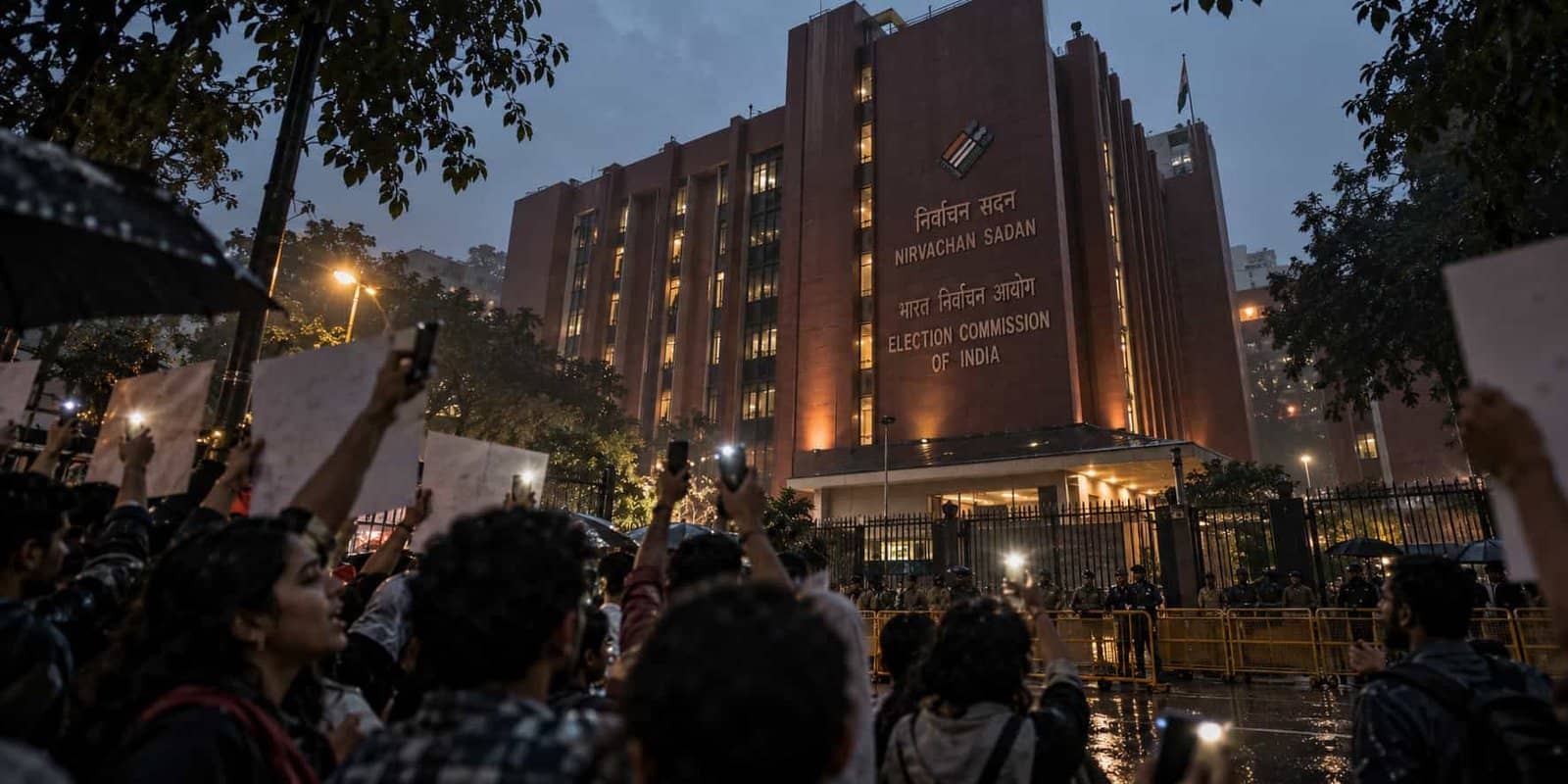
The numbers in Bengal are staggering. But so is the controversy behind them. In the months leading up to the election, the Election Commission conducted a Special Intensive Revision of Bengal’s electoral rolls. The exercise deleted approximately 90 lakh names from the voter list, roughly one in five registered voters. The EC said the revision was routine: removing duplicate entries, deceased voters, and people who had permanently moved. The TMC said it was targeted.
Mamata Banerjee, in her first public reaction after the results, called the verdict immoral and illegal. She alleged the BJP had looted more than 100 seats and accused the Election Commission of playing what she called nasty games against her party. The scale of the deletion, she argued, was not administrative housekeeping. It was disenfranchisement.
Rahul Gandhi echoed her. Speaking to reporters on May 5, Gandhi said his party agrees with Mamata Banerjee that more than 100 seats were stolen in West Bengal. He called Bengal and Assam clear cases of elections being stolen by the BJP. He then drew a longer line, claiming the same playbook was used in Madhya Pradesh, Haryana, Maharashtra, and the 2024 Lok Sabha elections. The phrase he used was institutional theft.
Sanjay Raut of the Shiv Sena (UBT) added his voice, claiming the elections in Bengal were rigged.
The BJP dismissed all of it. Party leaders said the results reflected a genuine popular mandate for development and governance.
What the Numbers Hide
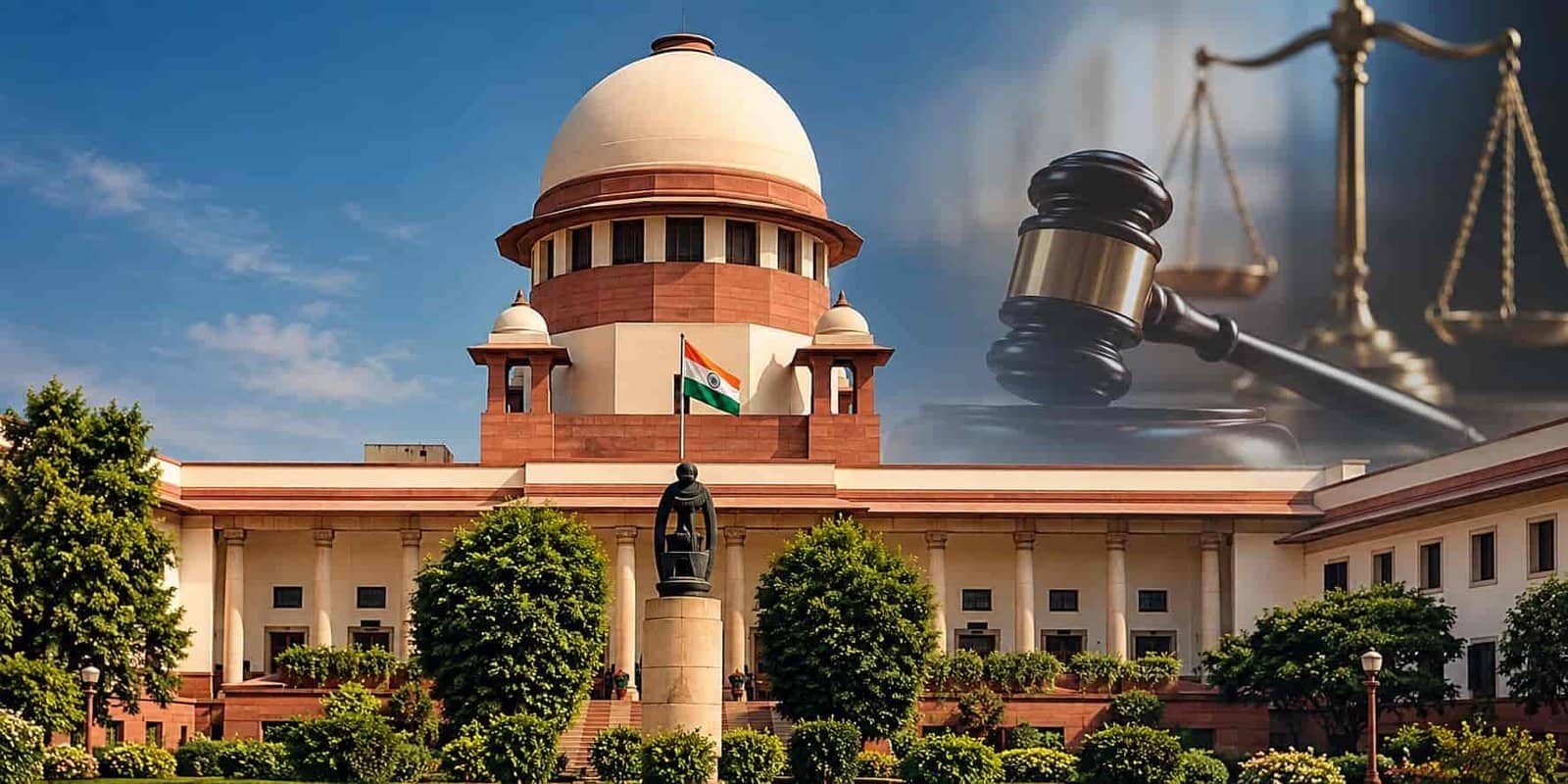
The opposition’s claims may seem politically convenient. However, the scale of the voter roll revision in Bengal is not a fringe issue. The Supreme Court itself was involved in the final weeks, hearing petitions challenging the deletion process. It directed parties to approach the Calcutta High Court for grievances but declined to halt the revision. Roughly 27 lakh voters were removed in the final adjudication phase alone, just weeks before polling.
Whether these deletions swung enough seats to change the outcome is impossible to prove without constituency-level analysis which the parties losing are likely going to analyse. But the opposition’s argument is not only about the scale. It is about the pattern. Bengal conducted the SIR under the direction of a centrally-appointed election machinery, at a time when the BJP was openly campaigning for power in the state. The timing, the opposition says, was the point.
There is a more uncomfortable question buried in the data. If 90 lakh deletions were genuinely removing ineligible names, why were the numbers so concentrated in Bengal? No other state saw remotely comparable deletions in this election cycle. That asymmetry has not been satisfactorily explained by the EC besides other pertinent questions.
What Comes Next
The political map of India has shifted. The BJP now governs Bengal, a state that symbolised regional resistance to its expansion. The Congress reclaimed Kerala but remains marginal in the east and northeast. Tamil Nadu enters a period of coalition bargaining that could go in any direction. And the opposition, for all its charges of theft, has yet to produce a coordinated legal or institutional response.
The real test is whether the voter deletion controversy stays in press conferences or moves to courts and commissions. Gandhi invoked a playbook. But a playbook only matters if someone writes the next chapter.