Opening The Rift
therift
© 2026 The Rift. All Rights Reserved.
World Breastfeeding Week 2026: A Sustainable Start in Life
Breastfeeding is not simply a personal choice or a parenting practice; it is one of the most powerful investments humanity can make in health, nutrition, equality, food security, and the future of our planet.
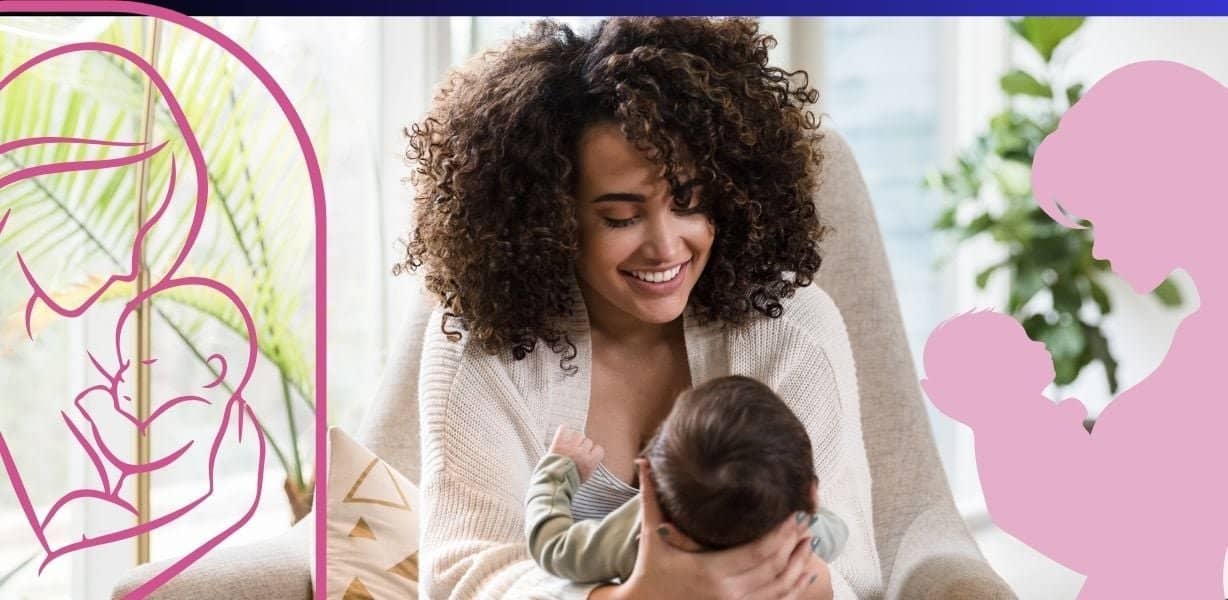
A mother breastfeeding her baby, a crucial aspect of a child’s early development (Representative Image)
Key Takeaways
1 of 3
Automatically generated. Read full article for complete context.
Every year from August 1st to 7th, the world pauses to celebrate something so natural that we often forget how extraordinary it truly is. Not a new invention, not an expensive medicine, not a breakthrough technology, but a mother’s first embrace, her first nourishment, her first promise to protect. That promise is breastfeeding. World Breastfeeding Week, coordinated by the World Alliance for Breastfeeding Action with the support of the World Health Organization, UNICEF, governments, healthcare institutions, and civil society organisations, is more than an annual observance. It is a global movement dedicated to protecting, promoting, and supporting breastfeeding so that every child has the healthiest possible beginning in life.
For World Breastfeeding Week 2026, the official theme is breastfeeding for a sustainable start in life. Strengthen what works. This year’s campaign reminds us that breastfeeding is not simply a personal choice or a parenting practice. It is one of the most powerful investments humanity can make in health, nutrition, equality, food security, and the future of our planet. Long before a child learns to speak, before tiny feet take their first steps, before the world begins shaping their future, a remarkable gift is already waiting. It doesn’t come from a factory. It doesn’t require shipping. It creates no plastic waste.
It leaves almost no carbon footprint. It comes directly from a mother’s body. Breast milk is the first food nature designed specifically for every newborn, perfectly balanced, always available, always the right temperature, always changing to meet a baby’s growing needs. No laboratory has ever been able to replicate its extraordinary complexity. Within every drop are living cells, antibodies, enzymes, hormones, beneficial bacteria, healthy fats, proteins, vitamins, minerals, and thousands of bioactive compoundsActive Biological SubstancesChemical compounds found in foods or other natural sources that have biological activity in the body, potentially affecting health. In breast milk, these include immune factors, hormones, and enzymes. that scientists continue to study.
As a baby grows, breast milk adapts, changing each feed throughout the day and across different stages of infancy to provide exactly what that child needs. It is one of nature’s greatest masterpieces. The very first milk produced after birth is called colostrumFirst MilkThe first form of milk produced by the mammary glands immediately following delivery of the baby. It is rich in antibodies and nutrients, often called ‘baby’s first vaccination’.. This is what has been called the baby’s first vaccination because it is rich in immune-enhancing antibodies and nutrients that help babies resist infections in the early stages of their life. It prepares the baby’s stomach and strengthens the immune system in its earliest stages.
For millions of babies, these first drops can make the difference between vulnerability and protection. The World Health Organisation recognises breastfeeding as one of the most effective ways to improve child survival. Breastfed babies are less likely to suffer from diarrhea, pneumonia, ear infections, respiratory illnesses, and many other preventable diseases. Breastfeeding also supports healthy brain development, emotional security, and may reduce the risk of obesity, type 2 diabetes, and certain chronic diseases later in life.
WHO recommends
- One, initiating breastfeeding within the first hour after birth.
- Two, exclusive breastfeeding for the first 6 months without water, formula, or other foods unless medically indicated.
- Three, continuing breastfeeding alongside nutritious complementary foods for 2 years or beyond.
These guidelines are supported by decades of scientific research and can potentially save hundreds of thousands of lives among young people annually. Breastfeeding is not only about infants; it is also about mothers. It helps to stimulate oxytocin, which enables uterine recovery after giving birth and decreases blood loss. It facilitates bonding, relaxes, and physically heals the mother. Research has shown that women who breastfeed have a lower lifetime risk of breast and ovarian cancer. It may also support healthy postpartum weight management and, under specific conditions, temporarily delay the return of fertility in the early months after childbirth.
Every feeding strengthens a child’s future and a mother’s health. Breastfeeding is often described simply as feeding a baby. But it is much more than nutrition. It is comfort during fear, warmth during uncertainty, protection during illness, connection without words. Every heartbeat a baby hears while nursing echoes the same rhythm heard inside the womb for months before birth. That closeness builds trust. That trust becomes confidence. And confidence shapes a lifetime. If breastfeeding is natural, why do so many mothers struggle? While breastfeeding may be natural, it is also a learned skill. Many mothers experience painful latching, sore nipples, concerns about milk supply, exhaustion, or anxiety during the early days after childbirth.
Many mothers return to work sooner than they wish. Some lack private spaces to express milk. Many receive conflicting advice or face social pressure instead of encouragement. For some, the biggest obstacle isn’t biology. It’s the absence of support. No mother should have to choose between feeding her child and keeping her job. No mother should feel embarrassed for breastfeeding in public. No mother should feel alone. This is exactly why the World Breastfeeding Week 2026 theme carries such an important message. Breastfeeding for a sustainable start in life. Strengthen what works.
The campaign recognizes that successful breastfeeding does not rest on mothers alone; it requires strong health systems that deliver expert lactation servicesBreastfeeding SupportProfessional support and guidance provided by trained lactation consultants or specialists to help mothers with breastfeeding challenges, techniques, and education.. The workplace needs to protect the rights of women through maternity leave, flexible working hours, and the provision of facilities for lactating women. The family needs to be supportive and not judgmental. Policymakers need to introduce evidence-based policies to safeguard breastfeeding.
When these support systems work together, breastfeeding succeeds, for one family, and for society as a whole. The 2026 campaign also highlights an often overlooked truth. Breastfeeding contributes directly to sustainable development. It improves nutrition, strengthens food security, reduces healthcare costs, supports healthier populations, promotes equity because every baby, regardless of income, can receive nature’s ideal first food. Unlike commercial feeding products, breast milk requires no manufacturing, packaging, transportation, or waste disposal. It is locally available, renewable, and environmentally sustainable. A healthier child, a healthier mother, a healthier planet. Sometimes the simplest solutions are also the most powerful.
The campaign encourages the world to inform people about the importance of tracking breastfeeding progress and using evidence to improve outcomes. Anchor breastfeeding through strong policies, guidelines, and coordinated support across the entire warm chain of care. Engage governments, healthcare professionals, employers, families, and communities to strengthen collaboration. Galvanize meaningful action by learning from successful breastfeeding programs and expanding what truly works.
Breastfeeding is not solely a mother’s responsibility. It is a family’s responsibility, a healthcare system’s responsibility, an employer’s responsibility, a policymaker’s responsibility, a community’s responsibility. When mothers receive understanding instead of judgment, practical help instead of pressure, and encouragement instead of isolation, both mothers and babies thrive. Every child deserves the healthiest possible start. Every mother deserves respect, support, and informed care. Every workplace should value motherhood. Every hospital should protect breastfeeding. Every community should celebrate, not stigmatize, this most natural act of nurturing life.
World Breastfeeding Week 2026 is not simply a reminder to encourage breastfeeding. It is a reminder to strengthen the systems that make breastfeeding possible. Because when we support a mother, we nourish a child. When we nourish a child, we strengthen a family. When families flourish, communities become healthier. And when communities grow stronger, nations build a more sustainable future. This World Breastfeeding Week, let us move beyond awareness and toward action. Let us protect. Let us promote. Let us support. Because sometimes the most powerful force for changing the future begins with something as simple and as profound as a mother’s first embrace.
Disclaimer:The views and opinions expressed in this article are those of the author(s) and do not necessarily reflect the official policy or position of The Rift.
*BreastfeedingChild HealthMaternal HealthPublic HealthSustainable DevelopmentUNICEFWHOWorld Breastfeeding Week