Opening The Rift
therift
© 2026 The Rift. All Rights Reserved.
Increasing Concern over Escalating Health Crisis in Iran
Attacks on Iran’s health and nuclear facilities, coupled with sanctions, are creating an escalating health crisis with severe, far-reaching consequences for millions.

Key Takeaways
1 of 3
Automatically generated. Read full article for complete context.
You have been reading about Iran’s ongoing conflict with the USA and Iran since late February this year, but did you notice more particularly that:
- Nearly 210 to 442 Iranian health facilities have been hit in the attacks by the USA and Israel between February to September,
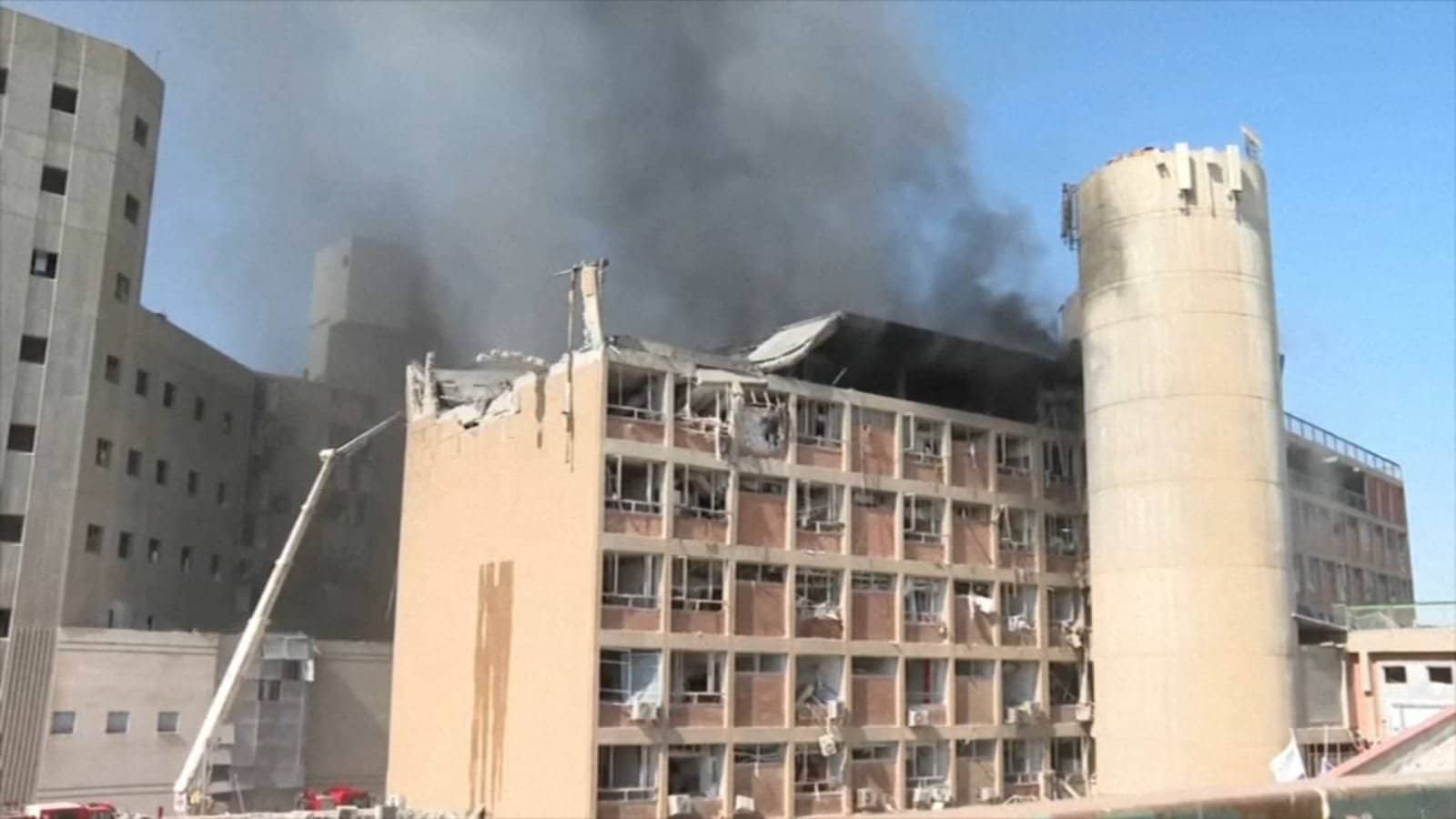
- The famous 22 story Gandhi Hospital in Tehran, named after Mahatma Gandhi and taking care of patients from far and wide, has been badly damaged,
- In a country already experiencing medicine shortages due to sanctions, some important medicine-making plants and factories, including those making medicines of critical importance, have been attacked,
- The Pasteur Institute facilities producing vaccines of great importance particularly for the health of children, including collaborating units of the WHOWorld Health OrganizationA specialized agency of the United Nations responsible for international public health. and others, have been attacked,
- The nuclear power plants of BushehrBushehr Nuclear Power PlantIran’s first civilian nuclear power plant, located on the Persian Gulf coast, which has been a point of international concern regarding its safety and security. or its close vicinity has been attacked more than once, despite the fact that any possibility of radioactivity leak poses a very serious and long-lasting health risk not just to millions in Iran but to people in several other countries as it can be spread rapidly by wind and other means.
These are only a few of the several disturbing facts about the escalating health crisis in Iran about which the entire world should worry and take remedial actions before it is too late. Has the world not learnt from the hundreds of thousands of lives lost in Iraq from the combined impact of war and sanctions?
Some prestigious medical journals and senior international officials have also been drawing attention to the rapidly escalating health crisis in Iran with even more frightening possibilities ahead if due caution is not exercised. In an article titled ‘Iran War: Attacks near Nuclear Sites Pose Alarming Health Risks, WHO warns’ by Elisabeth Mahase (9 April 2026), the prestigious journal BMJ highlighted WHO warnings that an alarming pattern of attacks near Iran’s nuclear facilities poses “severe and far reaching health and environment risks.” WHO regional director Hanan Balkhy has said that the agency has been notified of 8 strikes close to Iranian nuclear facilities, including one just 75 meters away. “Continued military activity near an operating plant with large amount of nuclear fuel would have severe consequences for the people and the environment of Iran and beyond.”
Another article published in the LancetThe LancetA weekly peer-reviewed general medical journal, considered one of the world’s oldest and best-known general medical journals. on April 25 by Iradj Sobhani and co-authors noted that amidst increasing medical needs caused by injuries , stress and other factors a total of 292 medical and relief centers, hospitals, pharmacies and primary health clinics have been damaged or destroyed, 13 hospitals are out of service, 7 have been fully evacuated, 8 medicine production factories have been destroyed in a leading hub of such units, power crisis has created further problems particularly for cold chain of vaccines.
The Atomic Energy Organization of Iran as well as the IAEA have also warned against the high risks of any attack on nuclear facilities (or damage caused by heavy attacks very close to these facilities).
These various dangers should be seen in the context of the large number of people already injured and displaced by the war,as well as the high levels of stress and extreme uncertainty and also economic hardships to which a large number of people in Iran are exposed due to the devastation caused by the war and the frequent threats of even greater devastation.
The combination of factors mentioned above can lead to rapid escalation of health and environment threats if attacks are continued. In the present conditions the best option is certainly to end the war as early as possible. However if unfortunately the war continues then special care should be taken to ensure that health facilities and medicine production facilities are not attacked. Very high priority should be accorded to ensuring that nuclear power plant and other nuclear facilities are not attacked. Neighboring countries are also highly threatened by any such attack, so they should also raise this demand in a strong way. The people in the entire region should be well informed of these high risks.
The best option is to end all sanctions and restrictions. However if this does not happen, then the second best option is to grant complete exemption in the context of essential medicines and medical equipment.
Following the first sudden and completely arbitrary attacks on Iran by the USA and Israel starting February 28, Iran has made several retaliatory attacks particularly on US military bases in several countries of the region, but as best I could verify till September 30, Iran did not attack any health facilities. Even if there was some small incidental, non-intentional harm, this was not even remotely comparable to the harm that the health and medicine facilities of Iran have suffered.
Disclaimer:The views and opinions expressed in this article are those of the author(s) and do not necessarily reflect the official policy or position of The Rift.