Opening The Rift
therift
© 2026 The Rift. All Rights Reserved.
Why the Opposition Wants to Impeach India’s Top Election Official
Opposition parties prepare an unprecedented impeachment motion against CEC Gyanesh Kumar, citing voter roll deletions, partisan conduct, and the erosion of Election Commission independence.

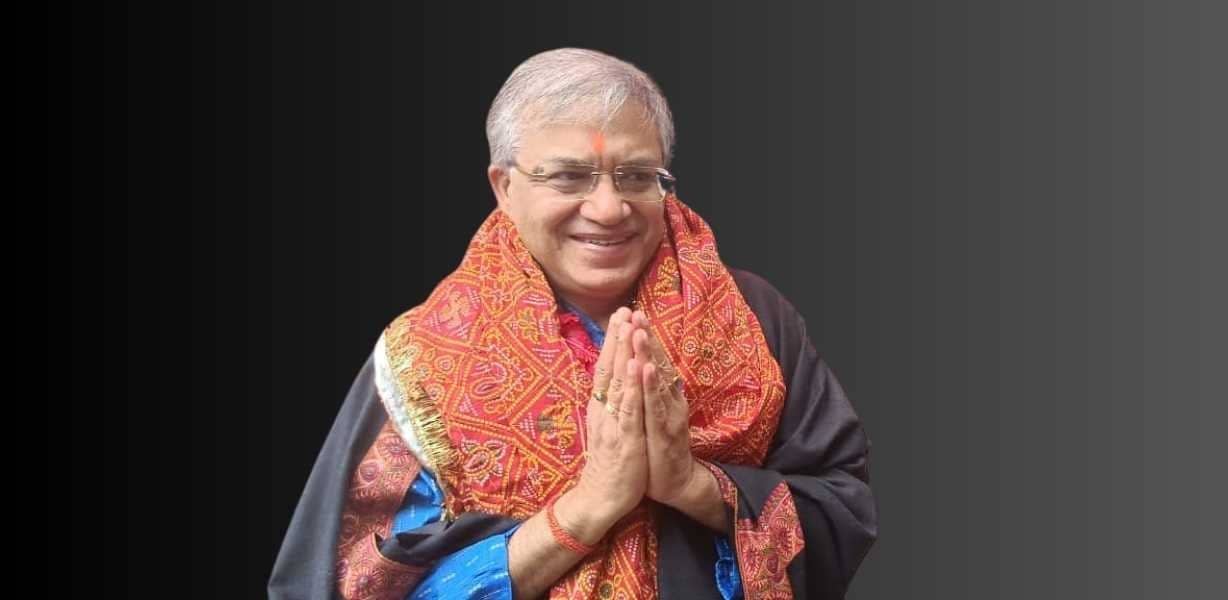
Source: ECI (@ECISVEEP) Via X
Key Takeaways
1 of 3
Automatically generated. Read full article for complete context.
The opposition’s impeachment notice against Chief Election Commissioner Gyanesh Kumar, expected to land in Parliament this week, is not a tantrum. It is a constitutional mechanism being deployed against an institution that a growing number of elected representatives believe has stopped functioning as a neutral arbiter. Whether the motion succeeds is almost beside the point. That it exists at all tells you how far India’s Election Commission has fallen in the estimation of those it is supposed to serve equally.
What Happened
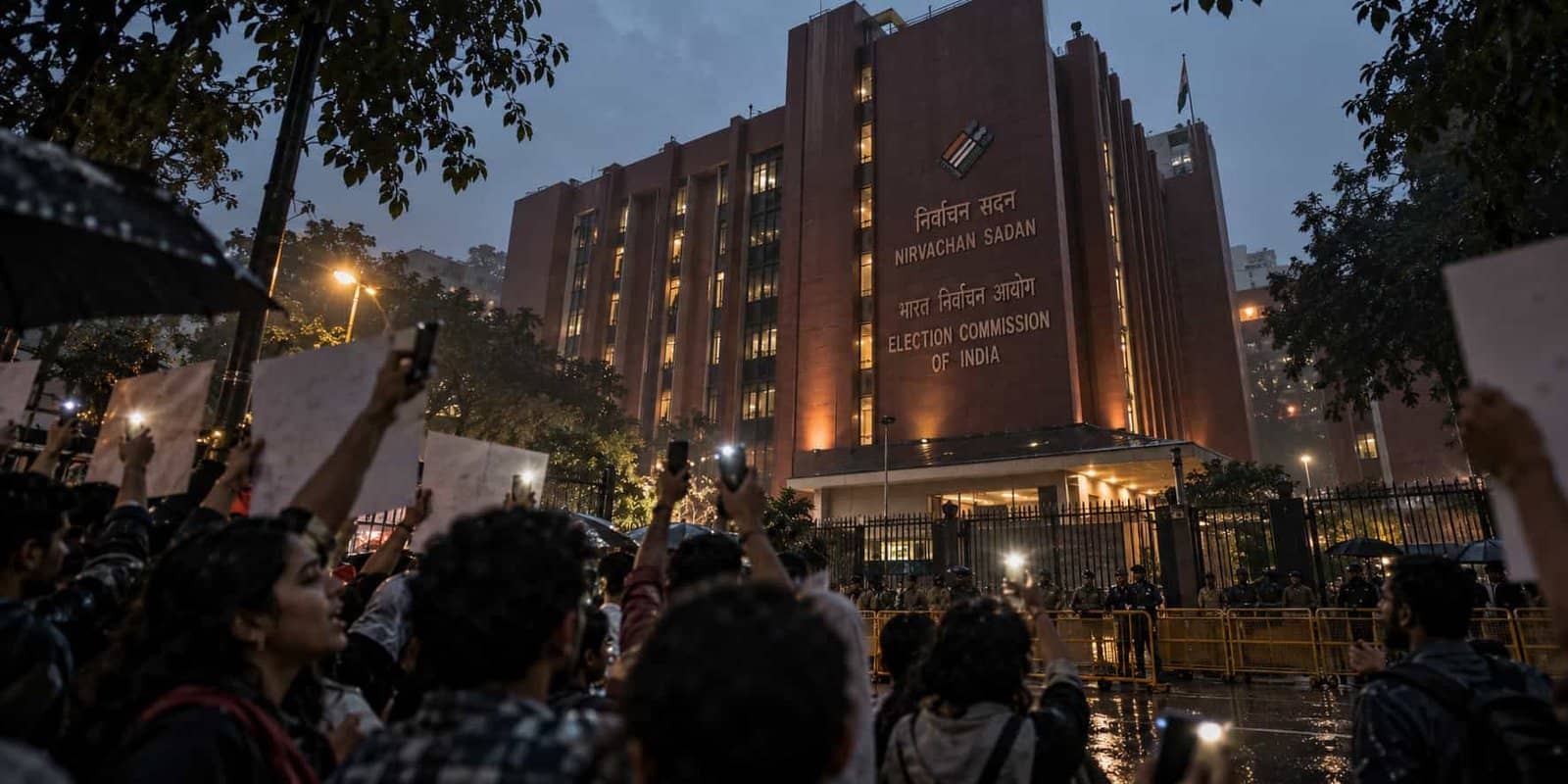
A senior Trinamool Congress MP confirmed to The Wire on March 9 that opposition parties were set to submit a notice seeking Kumar’s removal. The effort, described as “teamwork” that “took two weeks”, follows West Bengal Chief Minister Mamata Banerjee’s ongoing sit-in protest in Kolkata since March 6 against the Special Intensive Revision (SIR) of electoral rolls.
The move against CEC Gyanesh Kumar is unprecedented. So is the erosion of institutional trust that provoked it.
The mechanics are demanding. Under the Chief Election Commissioner and Other Election Commissioners (Appointment, Conditions of Service and Term of Office) Act, 2023, removing a CEC mirrors the process for a Supreme Court judge: at least 100 signatures in the Lok Sabha, or 50 in the Rajya Sabha, followed by a committee investigation, and then a two-thirds majority vote in both Houses. With the NDA holding roughly 335 of 543 Lok Sabha seats, passage is near-impossible. The opposition knows this.
So why do it?
The Voter Roll Problem
The immediate trigger is the SIR exercise in West Bengal, where approximately 63.66 lakh names have been deleted from voter lists since November 2025, reducing the electorate from around 7.66 crore to just over 7.04 crore. An additional 60 lakh names remain “under adjudication,” their voting rights suspended pending decisions by judicial officers, with the 2026 Assembly elections looming.
Those are not small numbers. Roughly 8.3% of West Bengal’s electorate has been removed in a single revision cycle. TMC alleges the deletions disproportionately target minorities and Scheduled Caste and Scheduled Tribe populations in specific districts, calling it a “politically motivated” exercise. The Election Commission maintains the deletions reflect genuine demographic corrections: deceased voters, migrants, duplicates. Whether the scale is proportionate or surgical is the central dispute, and it does not have a simple answer.
The Deeper Rot
But the impeachment push is not really about voter rolls alone. It is the culmination of a longer credibility collapse.
Start with how Kumar got the job. The Supreme Court ruled in March 2023 (Anoop Baranwal v. Union of India) that a committee comprising the Prime Minister, the Leader of the Opposition, and the Chief Justice of India should appoint election commissioners. The ruling was intended as a safeguard. Within months, Parliament passed the 2023 CEC Act, which replaced the Chief Justice with a Union Cabinet Minister nominated by the Prime Minister. The effect: the ruling party now holds two of three seats on the selection panel. Gyanesh Kumar was the first CEC appointed under this revised structure, and the opposition has never accepted his appointment as legitimate.
Then came the August 2025 press conference, the one that reportedly pushed the INDIA bloc toward an impeachment attempt. After Rahul Gandhi alleged large-scale voter fraud, Kumar held a press conference demanding Gandhi produce a “signed affidavit within seven days” or “apologise to the nation.” Former election commissioners, including S.Y. Quraishi and Ashok Lavasa, publicly criticised the response as unbecoming of the office. The CEC’s role, they argued, is to investigate doubts seriously and make findings public, not to issue ultimatums to elected leaders.
A Bigger Question Than One Man
The impeachment motion lands alongside a no-confidence resolution against Lok Sabha Speaker Om Birla, which 118 opposition MPs signed citing “blatantly partisan conduct”. Two constitutional offices, both charged with neutrality, facing formal challenges in the same parliamentary session. That is not opposition theatrics. That is an institutional crisis being articulated through the machinery available.
Whether Gyanesh Kumar should be removed is a question for Parliament. Whether India’s election machinery has earned the level of distrust now being directed at it is a question the evidence increasingly answers for itself. The ECI was once ranked alongside the Armed Forces and the Supreme Court in public trust surveys. It is difficult to imagine a credible pollster producing that result today, and that decline did not happen because opposition parties are unreasonable. It happened because the institution made choices, on appointments, on responses to criticism, on the scale and timing of voter roll revisions, that gave reasonable people cause to doubt.
An impeachment that fails on numbers can still succeed on record. The notice, once submitted, becomes part of Parliament’s documentary history. It forces a public accounting of specific allegations against a specific official holding a specific constitutional office. For an institution that has responded to criticism with press conferences and ultimatums, the possibility of a formal, parliamentary interrogation may be more uncomfortable than any vote count.