Opening The Rift
therift
© 2026 The Rift. All Rights Reserved.
Ecologically Destructive Mining: The Root of Bodepurva’s Extreme Migration
Just for the one-time high profits of a very small number of highly powerful persons, the sustainable livelihoods of many, many villages like Bodepurva have been sacrificed.

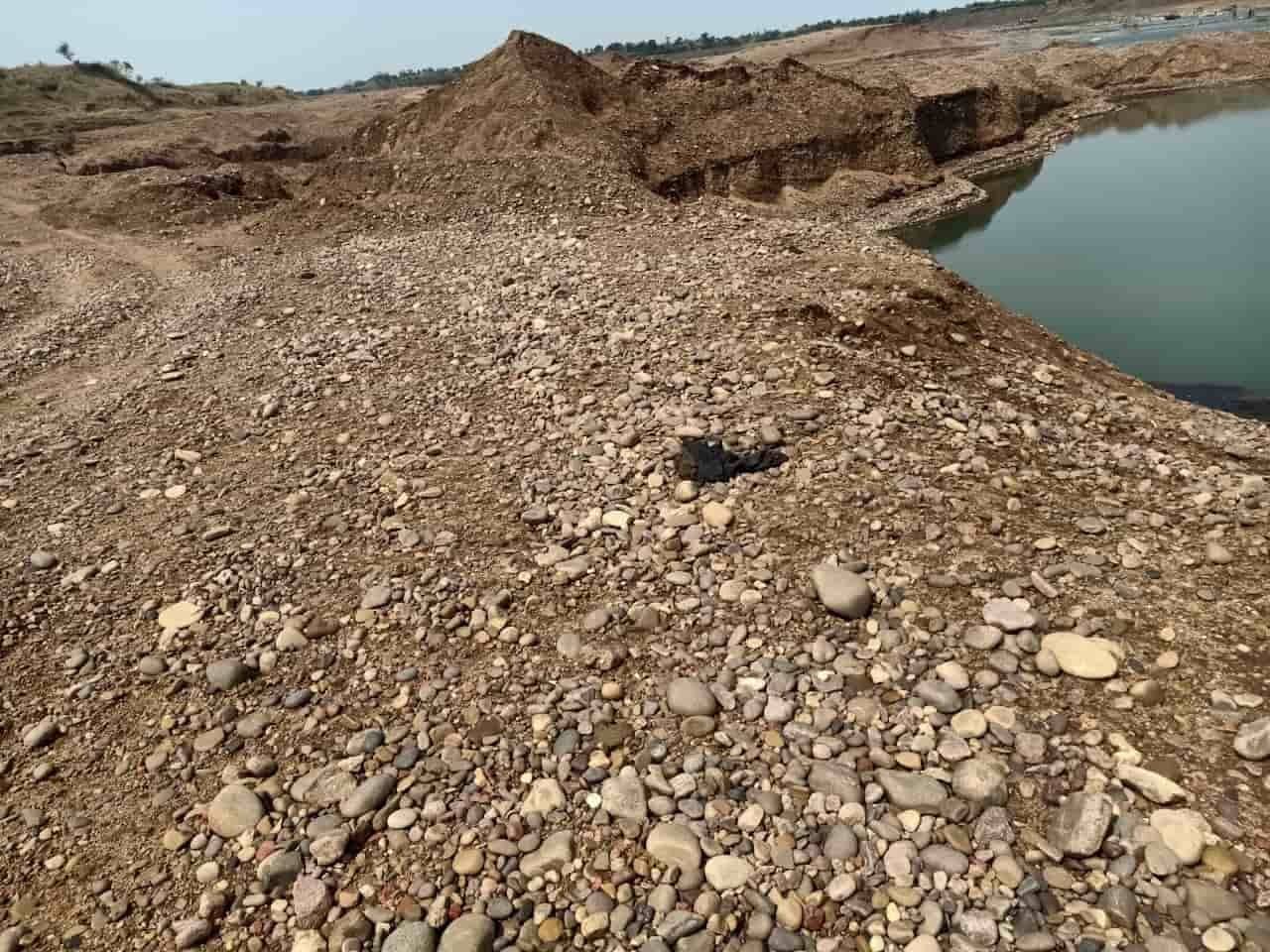
The landscape of Bodepurva ravaged by mining, forcing mass migration
Key Takeaways
1 of 3
Automatically generated. Read full article for complete context.
My first and strong impression after reaching Bodepurva village, located at the far end of Naraini block, was that of an almost deserted village. Among the few people moving around, most were elderly and children.
As I soon realized in the course of a discussion with villagers, most of the able young men and several women as well have migrated in search of work to cities like Delhi and Surat. A quick estimate provided by the people of this village in Banda districtBanda DistrictA district in the Uttar Pradesh state of India, part of the Chitrakoot Division. of Uttar Pradesh was that about one-fifth of the inhabitants are still in the village while the remaining have migrated. The reason for such large-scale migration forced on people is that their main livelihood source has been badly disrupted over the last five years.
This is a village of the Kevat community which has been celebrated in mythological literature. However, today the people of this village are living in extreme poverty. They need their basic needs like a proper path and a village school to be met. Housing conditions need improvement. However, perhaps the biggest cause of their declining economic condition is the big loss of traditional livelihoods during the last five years or so. Their traditional livelihoodss have been closely related to the Ken riverKen RiverA major river in the Bundelkhand region of central India, flowing through Madhya Pradesh and Uttar Pradesh. of Bundelkhand regionBundelkhand RegionA geographical and cultural region in central India, divided between the states of Uttar Pradesh and Madhya Pradesh, known for its historical significance and often facing drought challenges. which flows close to this village, near the border of Uttar Pradesh with Madhya Pradesh.
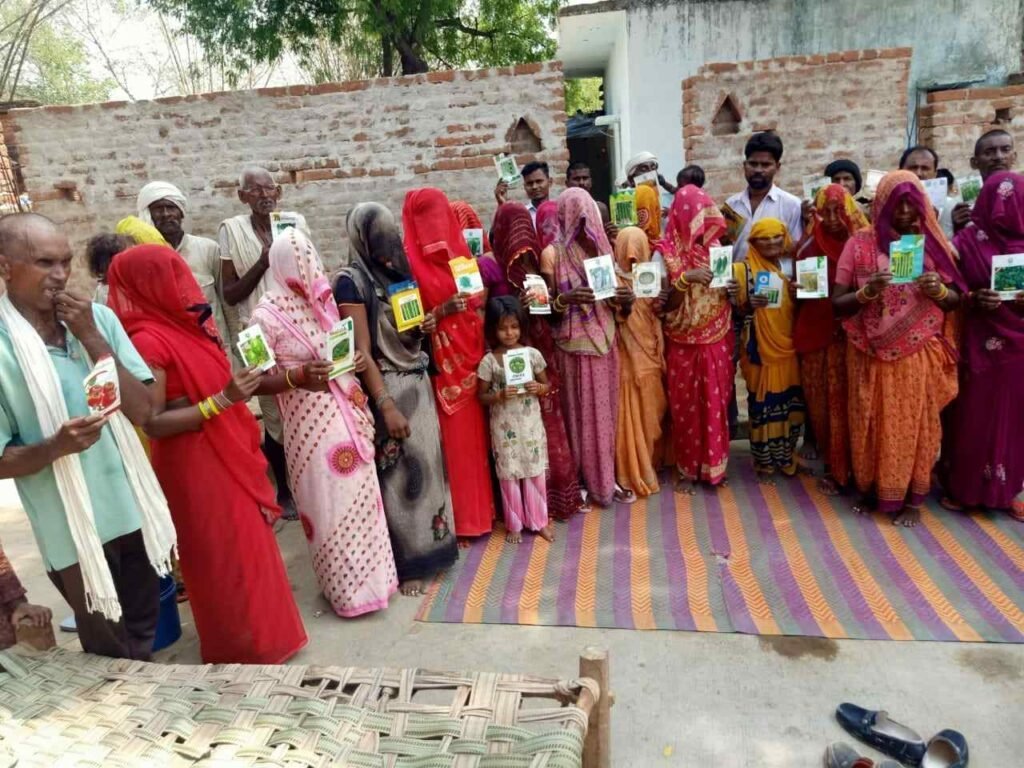
The most common source of livelihood for this community has been growing diverse vegetables in the fertile land of the riverside plains, as well as fruits like watermelons. This community is highly skilled in this work and until just a few years back, provided high-quality vegetables and fruits to a wide region. These vegetables were highly relished by people, and special orders for marriages and other social functions were also placed here. Villagers had plenty of high-nutrition vegetables for their own consumption, and they also exchanged their vegetables with other farmers to get food grains needed by them.
However, about five years back, a significant change came when big river sand mining machines entered the riverbank area. Highly excessive and indiscriminate sand mining took place in the river. The entire area was badly ravaged in the process. While the sand was carried away, debris was deposited recklessly on the riverbank. The riverside changed drastically in a short time. There was no possibility of cultivation of vegetables here now. As mining advanced to another area after ravaging the earlier one, destruction in the next zone started in a similar manner.
Thus, within about five years, the entire livelihood base of the people of the Kevat community, well-known for its highly skilled vegetable cultivation, was destroyed. This is why they have become so highly dependent on migration. Just for the one-time high profits of a very small number of highly powerful persons, the sustainable livelihoods of Many villages like Bodepurva have been sacrificed. Livelihoods that could have continued for many more decades have been destroyed, and the supply of high-nutrition vegetables from these villages has stopped or decreased considerably.
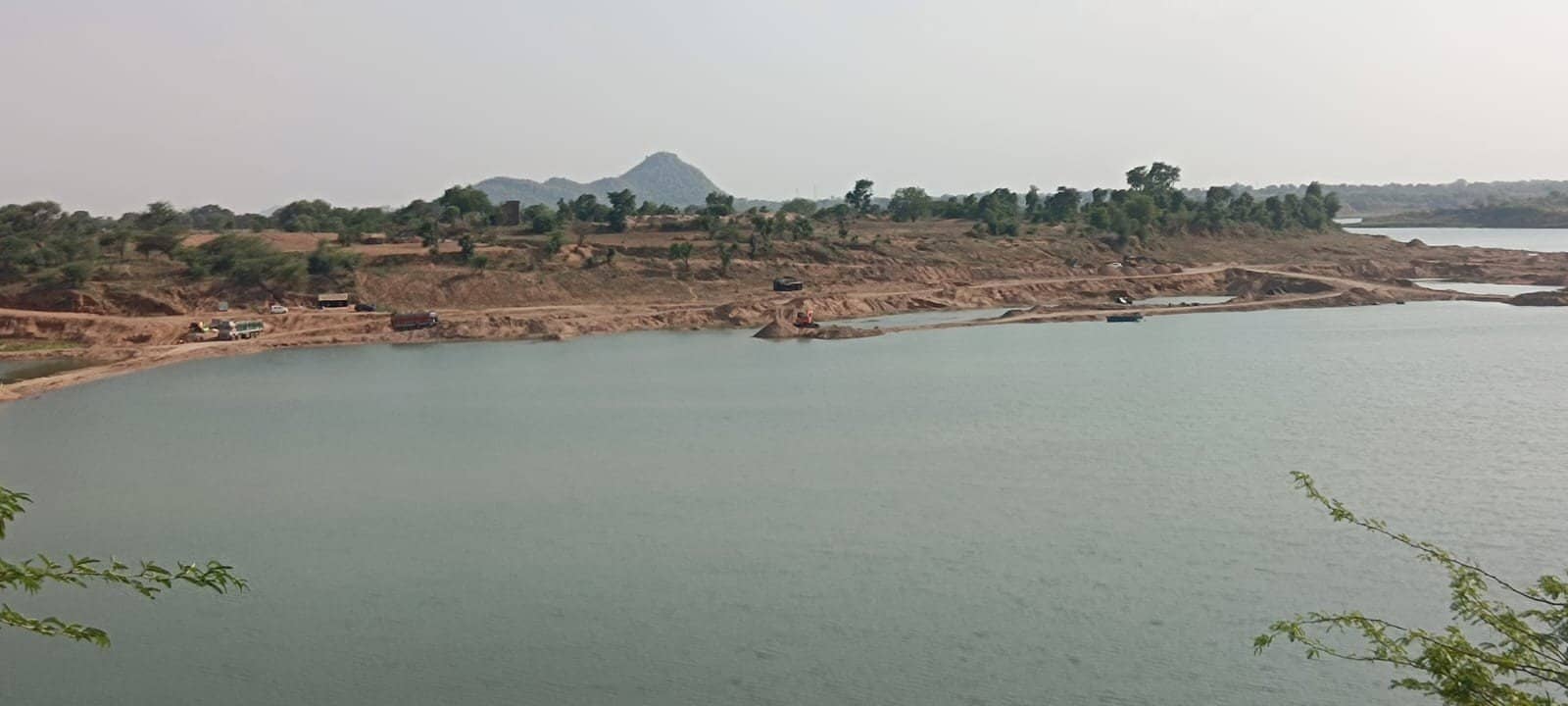
Apart from visiting this village, I also went to the riverbank area where this vegetable cultivation was taking place earlier until just a few years back. The entire landscape looked ravaged, with mining debris deposited here and there, and some stagnant pools had also formed. While earlier people used to visit the riverbank here regularly, treating it like a second home as they spent nights in huts protecting crops from animals, now it has become a dangerous and inhospitable place. Certain mined portions can be highly risky, particularly for children. The link of villagers with their mother river has been badly disrupted in a cruel way.
The river ecology has also been badly disrupted; with the removal of river sand, its ability to maintain a more steady flow has been harmed. It can deplete at a faster pace in the dry season and can cause more ravage in the flood season. Water quality deteriorates with sand removal, with pit formation at places disrupting free flow. This has an adverse effect on fish and other river life, as well as on wild and domestic animals drinking river water. Birds, including migratory birds, find riverbanks to be much less hospitable than before. These various indirect impacts are also harmful to the people of Bodepurva and other similarly affected villages, apart from the more direct livelihood loss they have suffered. There are Many villages suffering such harm. Can our country progress in this way? All this may be shown as an increase in GNP, but can this truly be called progress?, but can be this be called progress?
Disclaimer:The views and opinions expressed in this article are those of the author(s) and do not necessarily reflect the official policy or position of The Rift.