Opening The Rift
therift
© 2026 The Rift. All Rights Reserved.
Public Interest Questions Raised Over Red-Coloured Water Near Kodingamali Bauxite Mines
Residents are concerned about red-coloured water flowing from bauxite mining activities, impacting water safety, health, and livelihoods.

Key Takeaways
1 of 3
Automatically generated. Read full article for complete context.
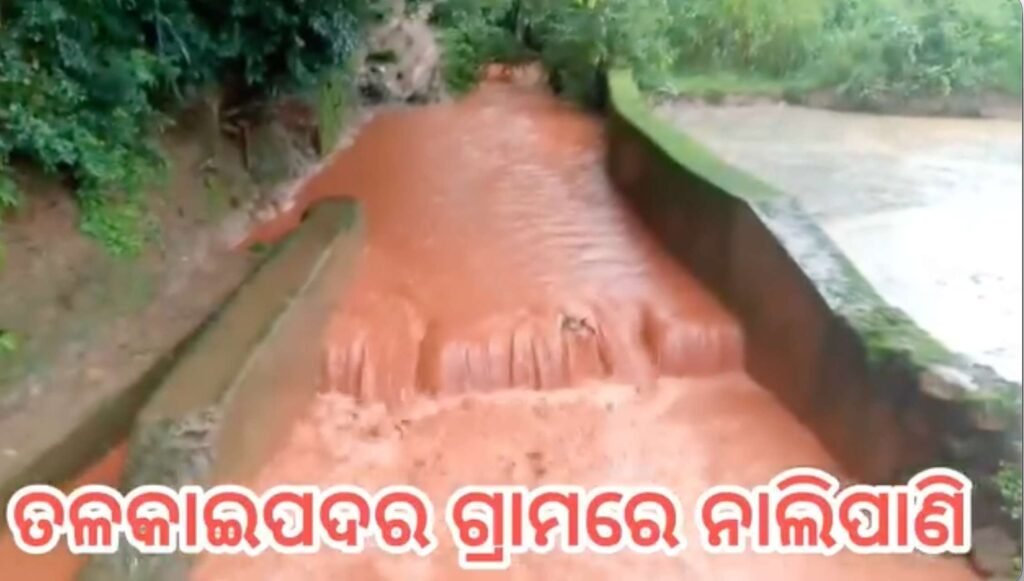
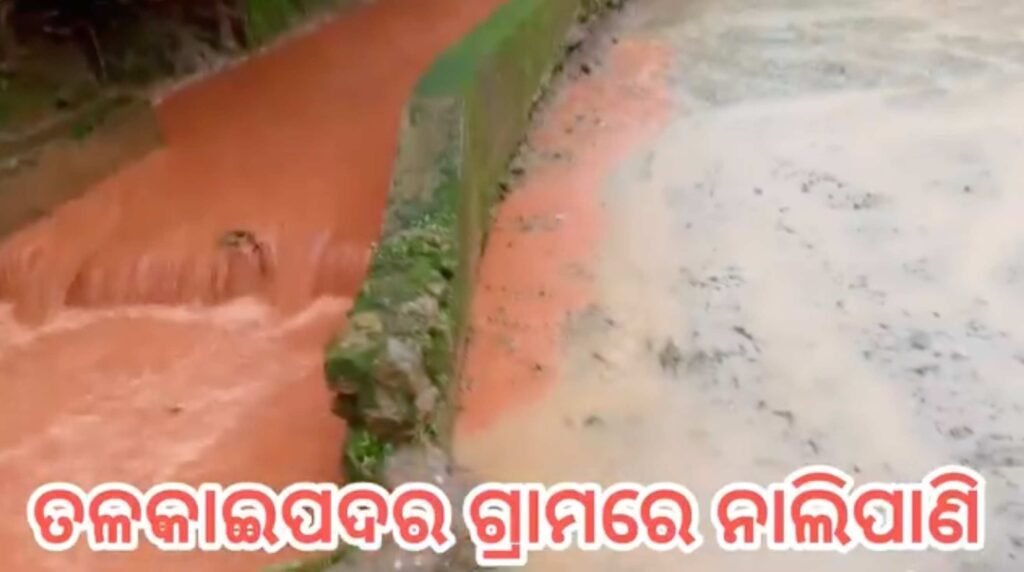
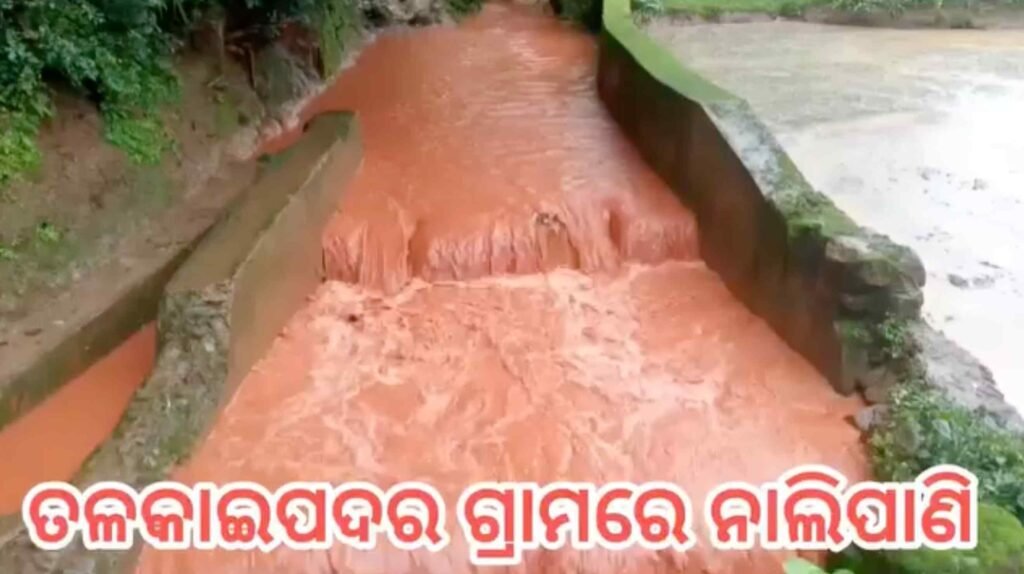
Bhubaneswar, Odisha: Residents of villages located at the foothills of the Kodingamali region, including Talakaipadar under Odiapentha Gram Panchayat in Laxmipur Block of Koraput district, have raised concerns over the discharge of red-coloured water flowing through their village, which they attribute to bauxite mining activities in the area.
According to local residents, the issue has persisted for a long time and has raised concerns about environmental pollution, the safety of drinking water, public health, agriculture, and the livelihoods of communities that depend on local water sources.
Villagers contend that the matter extends beyond environmental degradation and constitutes a significant public interest issue affecting thousands of people. They have urged the concerned authorities to investigate whether mining operations have adversely affected the quality of water in the region.
Residents and climate activists further allege that the red-coloured water eventually flows into nearby streams, rivers, and other water bodies, potentially affecting agriculture, fisheries, and aquatic ecosystems. They say this has heightened concerns over possible ecological damage and water safety, and have called for a scientific assessment to determine the extent of any environmental impact.
Academic Study Highlights Health and Environmental Concerns in Kodingamali Mining Region
A recent academic study titled “Impact of Mining on Health: A Case Study of Kodingamali Bauxite Mine, Koraput”, published in the International Journal for Multidisciplinary Research (IJFMR) in 2026 by Padlam Nayak, a Ph.D. Research Scholar in the Department of Sociology, Utkal University, has examined the possible links between mining activities and health-related concerns among local communities living around the Kodingamali mine.
The study finds that mining activities in the Kodingamali region are associated with changes in water, air, land, and community life, with potential implications for public health. It highlights concerns related to water pollution and the risk of water-borne diseases and skin problems, while dust pollution from mining activities has been linked to respiratory difficulties among residents.
The research further notes that agricultural decline and environmental degradation have affected food production and livelihood security, which may have implications for nutrition and overall well-being. It also points to livelihood uncertainty and environmental changes as factors contributing to psychosocial stress within affected communities.
The study concludes that the health impacts associated with mining are interconnected with broader environmental and social conditions such as livelihood insecurity, reduced agricultural opportunities, limited healthcare access, changes in traditional lifestyles, and psychological stress arising from environmental and economic uncertainties. It recommends strengthening environmental management practices and improving access to healthcare services to reduce potential health risks in mining-affected areas.
Villagers Seek Answers from local MLA and MP
Villagers’ Questions to Elected Representatives
1. Steps taken regarding red-coloured water complaints?
2. Has the issue been raised in Assembly/Parliament?
3. Have representatives visited affected villages?
4. Independent scientific analysis initiated?
5. Action taken for safe drinking water & permanent solution?
VISUALS BY THE RIFT
Residents have also sought answers from their elected representatives, including the local Member of Legislative Assembly (MLA) and Member of Parliament(MP), by raising the following questions:
- What steps have been taken to address complaints regarding the alleged discharge of red-coloured water?
- Has the issue been raised in the Odisha Legislative Assembly or the Parliament?
- Have the elected representatives visited the affected villages to assess the situation and interact with local residents?
- Have any measures been initiated to conduct an independent scientific analysis of the water quality?
- What action has been taken to provide safe drinking water and ensure a permanent solution for the affected families?
The villagers stated that public representatives have a responsibility to address citizens’ concerns seriously, seek an impartial and scientific investigation into the alleged contamination, assess any potential toxicity, ecological damage, and long-term impacts, and ensure that the findings are made available to the public in a transparent manner.
Residents have sought answers from Pabitra Saunta, MLA of the Laxmipur Assembly constituency, and Saptagiri Sankar Ulaka, Member of Parliament from the Koraput Lok Sabha constituency. Both leaders belong to the Indian National Congress (INC). Attempts were made to obtain their comments by tagging their official social media handles. However, no response had been received from either representative regarding the villagers’ concerns at the time of publication.
Villagers Demand Scientific Investigation
The villagers have called for immediate scientific testing of the water, publication of the investigation report, and, if it is established that mining activities have damaged water sources or the surrounding environment, appropriate legal action against the OMC officials in accordance with applicable laws. They have also demanded the provision of safe drinking water and the implementation of long-term remedial measures for all affected communities.
Residents maintain that access to safe drinking water, environmental protection, and public health are fundamental rights that should remain above political considerations. They say the people expect transparent investigations, clear accountability, and timely action from the competent authorities to address the issue.
Project Summary: Kodingamali Bauxite Mine and it Expansion
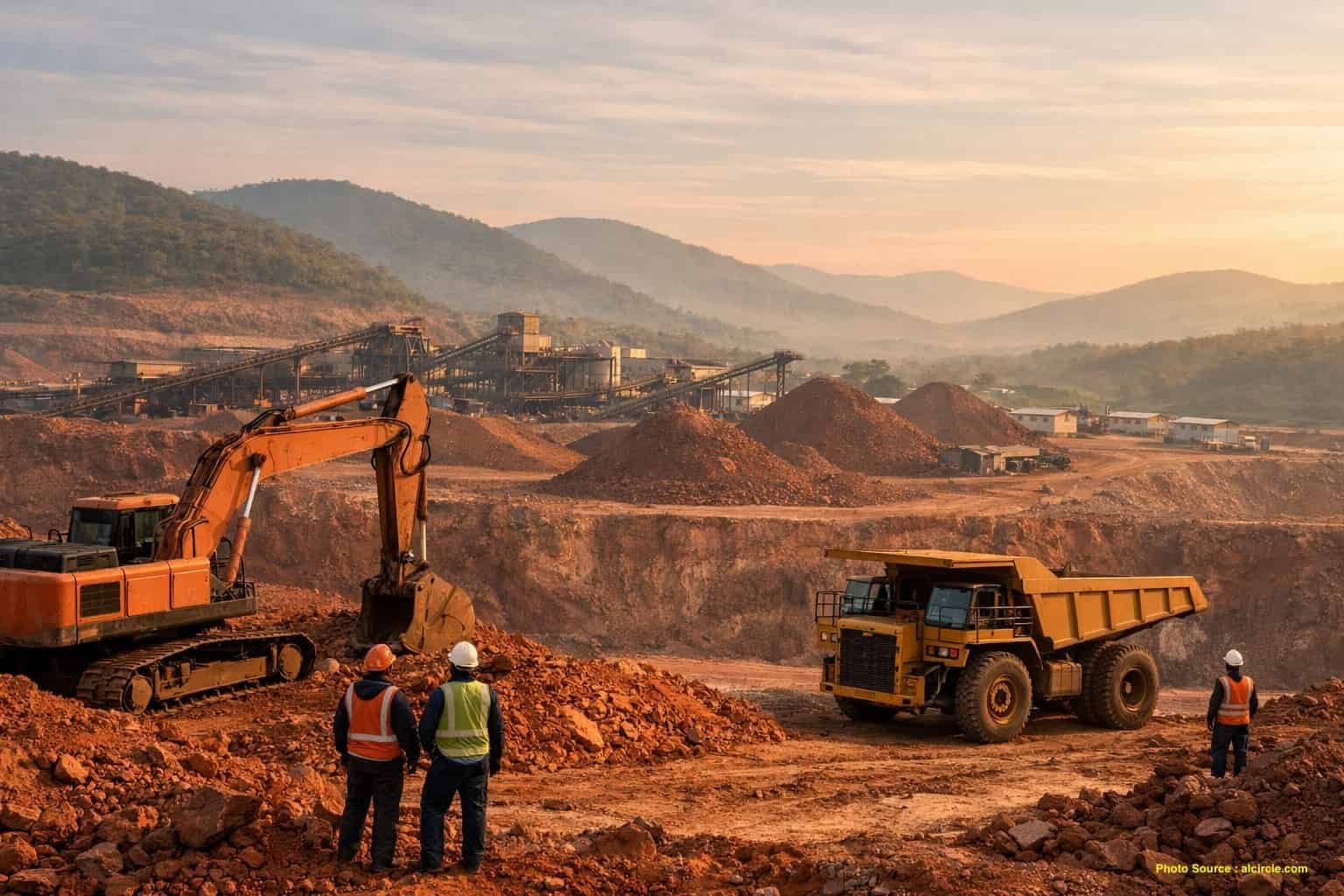
The Kodingamali Bauxite Mine, operated by Odisha Mining Corporation (OMC) Ltd., is located in Kodingamali village under Laxmipur and Kashipur tehsils of Koraput and Rayagada districts, Odisha. The mine lease area covers 428.075 hectares and is primarily located within the Kodingamali Reserve Forest and Kodinga Proposed Reserve Forest. The mining lease was executed in January 2017 for a period of 50 years, valid up to 2067.
The Kodingamali plateau, part of the Eastern Ghats, contains significant bauxite deposits spread over a flat-topped hill extending nearly 7 km. The mine, which commenced operations in 2018, was initially granted Environmental Clearance by the Ministry of Environment, Forest and Climate Change (MoEF&CC) in 2008 for a bauxite production capacity of 3.0 million tonnes per annum (MTPA). The capacity was subsequently enhanced to 3.6 MTPA through environmental clearance granted in April 2025.
Kodingamali Bauxite Mine Production Capacity
3.0 MTPA
Initial Environmental Clearance (2008)
3.6 MTPA
Enhanced Capacity (Clearance in 2025)
6.0 MTPA
Proposed Further Expansion
VISUALS BY THE RIFT
OMC has proposed a further expansion of bauxite production capacity from 3.6 MTPA to 6.0 MTPA under the Environmental Impact Assessment (EIA) Notification, 2006. The proposed expansion includes 6.0 MTPA Run-of-Mine (ROM) bauxite production, 3.29 MTPA overburden/waste generation, and 0.22 MTPA top soil handling, resulting in a total excavation capacity of 9.51 MTPA within the existing lease area., and 0.22 MTPA top soil handling, resulting in a total excavation capacity of 9.51 MTPA within the existing lease area.
According to official project documents, the bauxite deposit has an estimated reserve of 77.5 million tonnes with an average alumina (Al₂O₃) content of about 44.5%. The mine is operated through a fully mechanised open-cast mining method involving drilling, blasting, loading, crushing, and transportation of ore. The project falls under Category ‘A’ under the EIA Notification as a mining activity and has received statutory approvals, including environmental and forest clearances., including environmental and forest clearances. A Review of Mining Plan and Progressive Mine Closure Plan for the 6.0 MTPA production capacity has also been approved by the Indian Bureau of Mines (IBM). for the 6.0 MTPA production capacity has also been approved by the Indian Bureau of Mines (IBM).
Kodingamali Bauxite Deposit Details
77.5 Million Tonnes
Estimated Bauxite Reserve
~44.5%
Average Alumina (Al₂O₃) Content
VISUALS BY THE RIFT
Before the public hearing for the proposed expansion of the Kodingamali Bauxite Mine, residents from 10 villages reportedly opposed the project, raising concerns about its potential environmental and social impacts. for the proposed expansion of the Kodingamali Bauxite Mine, residents from 10 villages reportedly opposed the project, raising concerns over its potential environmental and social impacts. However, it is also reported that the proceedings recorded support for the proposal, with 26 villagers speaking in favour of the expansion and 23 others submitting written representations endorsing the project.
According to the public hearing proceedings, those supporting the project urged the authorities and the project proponent to improve basic infrastructure and public services in the area. to improve basic infrastructure and public services in the area. Their key demands included better drinking water facilities, improved road connectivity, enhanced healthcare services, schools, pension benefits, greater employment opportunities for local youth, and measures to promote the region’s socio-economic development..
Disclaimer:The views and opinions expressed in this article are those of the author(s) and do not necessarily reflect the official policy or position of The Rift.