Opening The Rift
therift
© 2026 The Rift. All Rights Reserved.
Buds to Blossom: Education in 3-14 years is the base for creating a better world
The most important aim is to create very high possibilities that these students will lead a life in conformity with the basic precepts for creating a better world.

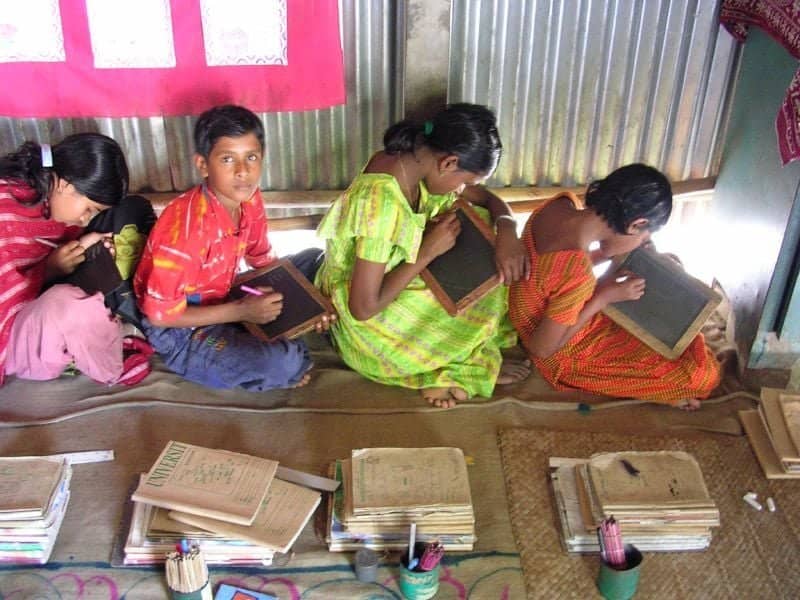
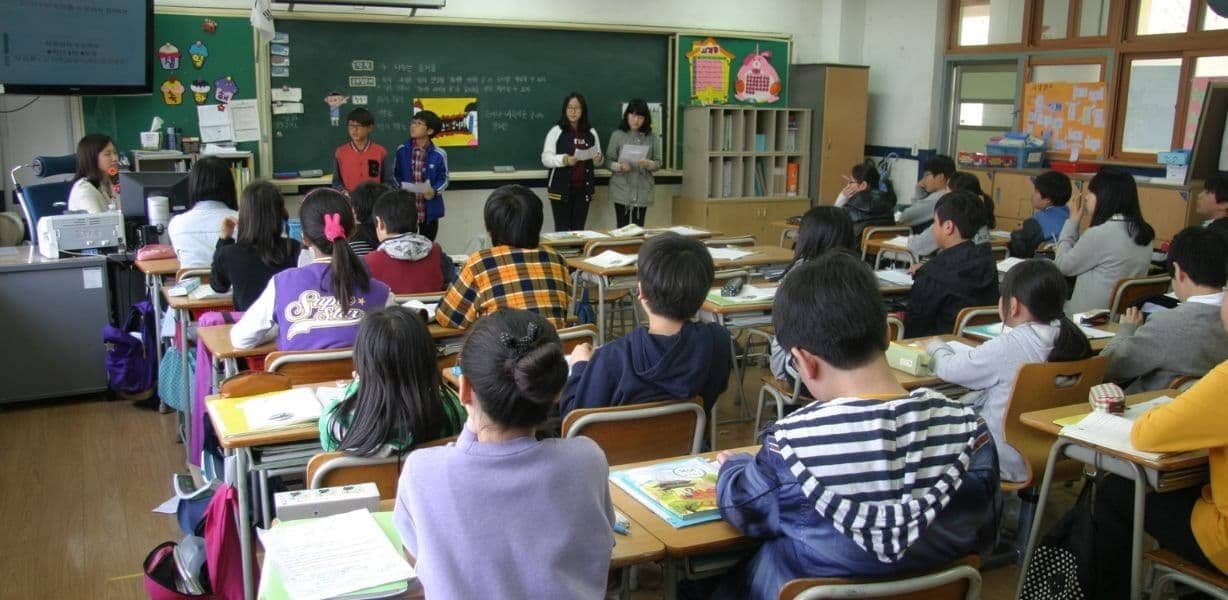
Students engaged in classroom activities, laying the groundwork for a better world (Representative Image)
Key Takeaways
1 of 3
Automatically generated. Read full article for complete context.
Several fierce educational debates are taking place in the context of students in a higher age group, approximately 15 years and older. While the importance of this higher education and discussions related to it is obvious, this should not lead to the neglect of education in the most formative years of life, which is of paramount importance of life which is of the highest importance.
The aim of education in these formative years of approximately 3 to 14 years is first, to create a strong and comprehensive base of knowledge, understanding, and curiosity among students through creative, stress-free methods. Second, the aim is to encourage children to work cooperatively as friends to achieve common goals instead of being trapped by individual competitiveness. Third, a firm base for a healthy life, broadly understood to include physical, mental, and spiritual health, should be created. Next, students should be involved in democratic processes of collectively taking responsibilities and fulfilling them while learning to resolve differences through mutual effort. This should not be about trying to imitate real-life politics with all its problems, but rather imagining what can be done at school along true democratic lines. Last but certainly not the least, the most important aim is to create very high possibilities that these students will lead a life in conformity with the basic precepts for creating a better world, like commitment to justice, equality, peace and protection of environment and all forms of life.
All of these aims are of course related to each other. Once there is proper realization of the importance of all these aims, they can be beautifully woven into the fabric of daily educational experiences.
There should be adequate budgeting for schools so that all essential facilities are adequately provided. At the same time, creative and interesting ways of making better use of the available resources should be found, and this, in fact, becomes a part of the educational experience itself. Anybody doing good work in a village, no matter in how quiet and modest a way, can be called to interact with the students there. This may be a farmer practicing natural farming; a highly skilled weaver or cobbler; a grandpa with great knowledge of medicinal plants; or a grandma wanting to share recipes for delicious and healthy food, a highly skilled weaver or a cobbler, a grandpa with great knowledge of medicinal plants or a grandma wanting to share recipes of delicious and healthy food. These interactions, in turn, can lead to some follow-up group activities like visiting the farm of the farmer who came and starting a small garden in the school using methods learned from him.
More learning can be included without creating any stress. The introduction of a third language is often seen as a burden for students. In fact several languages can be learned a little without creating any burden. Imagine a school in Delhi where most students speak Hindi but a few are from Punjabi homes while some have more of Urdu background, and there is also a child each from families in which Malayalam, Tamil, and Bangla languages are spoken. Now, in class, when ‘Good Morning’ is being said, it can be fun for various students to also say it in their own language and for others to try to repeat this accurately. Similarly, other greeting words can also be said in various languages, and students can use these words in their daily conversation with friends who speak these languages, who can also correct them. Those who know Urdu better can be asked to state a Hindi sentence using Urdu words so that other students learn more of this beautiful language. Students can be encouraged to sing songs in their own language and explain their meaning and context. Great films or documentaries in various languages with subtitles can be watched together. The teacher can tell about the great literature of Sanskrit, French, or Russian, and small scenes based on these classics can be enacted, or clips of existing films can be shown. Hence, in stress-free conditions and amidst a lot of fun and friendship, students learn about various languages and their literature over a period of several years.
Understanding healthy and non-discriminatory gender relations is, of course, an essential part of education, and as far as possible, all schools should be co-educational, the only exception being those extremely traditional societies that are not yet ready for this (with the hope that they can also be gently guided towards co-education) schools, the only exception being those extremely traditional societies that are not yet ready for this ( with the hope that they can also be gently taken towards co-education).
The most important component of this education should be to provide a strong base of universal protective values, which are paramount for creating a better and safer world which are of the highest importance for creating a better and safer world. Consensus can be created on some of the most important such values that are of universal relevance. We should not knowingly cause any distress or hurt to others. We should have equal respect for all human beings without discrimination of any kind. We should seek relationships of cooperation and not of domination. We should be very honest in professional and financial matters as well as in all our relationships. We should have a strong sense of justice and stand on the side of justice. We should be committed to peace and non-violence, starting by avoiding anger and aggression in our daily life. We should highly value the protection of the environment and living in conformity with it. We should be protective toward animals and birds.
Such values can be incorporated into the daily educational experience in many beautiful and creative ways.
Disclaimer:The views and opinions expressed in this article are those of the author(s) and do not necessarily reflect the official policy or position of The Rift.
*Early Childhood EducationEducational PhilosophyFormative YearsGlobal CitizenshipHolistic DevelopmentIndia