Opening The Rift
therift
© 2026 The Rift. All Rights Reserved.
US-Israeli airstrikes have severely damaged Iran’s UNESCO World Heritage Sites
American airstrikes in Iran have severely damaged ancient UNESCO World Heritage sites like the Golestan Palace, sparking fury over the destruction of global history.

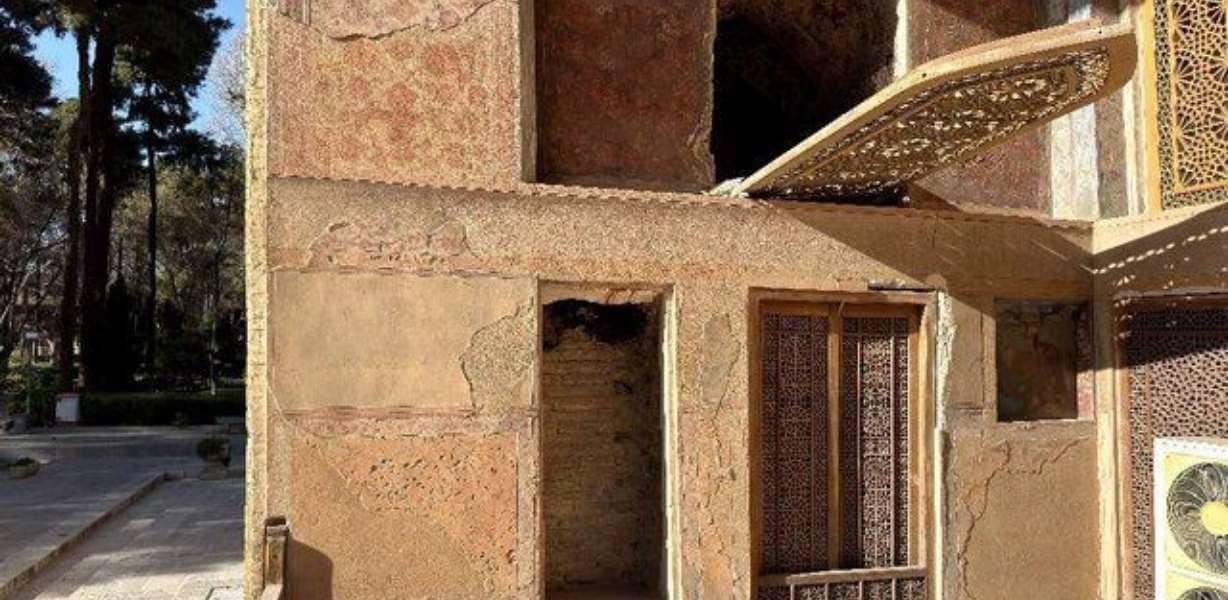
Source: @IRIMFA_EN via X
Key Takeaways
1 of 3
Automatically generated. Read full article for complete context.
The United States has long categorized its military interventions in the Middle East as surgical operations aimed strictly at hostile regimes and military infrastructure. However, the rapidly escalating bombardment of Iran, codenamed Operation Epic Fury, has definitively crossed a new and horrifying threshold. The strikes, which began on February 28, 2026, have not only resulted in a staggering human death toll, but have also blown apart legally protected, centuries-old cultural monuments.
The American-led military assault on Iran has not only claimed thousands of lives but has now shattered centuries of global heritage, turning UNESCO World Heritage sites into collateral damage.
According to initial assessments, the shockwaves and debris from US-Israeli airstrikes have severely damaged the 15th-century Golestan Palace in Tehran, a UNESCO World Heritage site known for its irreplaceable Qajar-era mirrorwork and marble structures. Further south in Isfahan, the 17th-century Persian Gardens and the iconic turquoise tiles of the Jame Abbasi Mosque in Naqsh-e-Jahan Square have reportedly suffered shattered windows and cracked frescoes.

The destruction of these sites represents more than just architectural loss; it is an assault on the shared historical memory of humanity.
A Bureaucratic Slaughter of Heritage
The mechanism of this destruction is profoundly un-surgical. When Washington and allied forces drop heavy munitions on targets located in dense, historic urban centers, the resulting hydrostatic shockwaves inevitably ravage fragile structures for miles around.
The Iranian Ministry of Cultural Heritage, Tourism, and Handicrafts has already submitted formal complaints alleging “serious damage” and requesting an independent expert team to quantify the destruction. The force of the explosion near Arg Square was reportedly robust enough to buckle the asphalt within the Golestan Palace grounds, instantly pulverizing ornate glasswork that successfully survived both world wars and the 1979 revolution.
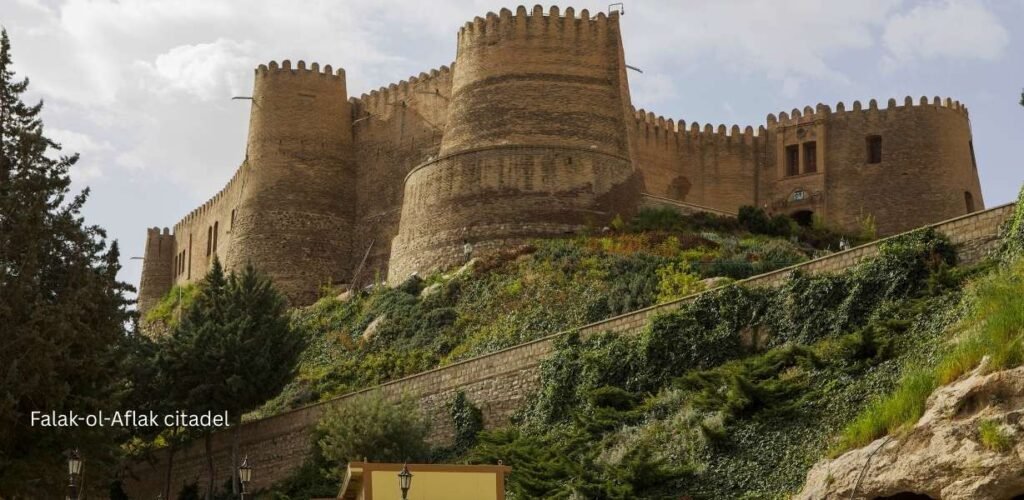
In Khorramabad, the third-century Falak-ol-Aflak citadel—an ancient Sassanid fortress inscribed onto the World Heritage List just last year—saw its perimeter targeted. The strike completely eradicated the provincial cultural heritage department and seriously damaged the site’s archaeology museums, blowing centuries of anthropology back into the dust.
The Human Toll of Epic Fury
While global heritage crumbles, the civilian and military death toll is skyrocketing. The Iranian Red Crescent Society reported that as of early March, at least 1,230 people have been killed within Iran. This figure inexplicably includes 175 schoolgirls and staff who were incinerated when a missile struck a primary school in Minab on the very first day of the operation.
Operation Epic Fury, pitched by the Defense Department as a high-precision campaign to neutralize drone manufacturing facilities and ballistic missile sites, has devolved into wide-spectrum warfare. US Central Command boasts of striking over 5,000 targets, destroying naval vessels, and decapitating the Iranian leadership, including the reported death of Supreme Leader Ali Khamenei.
Retaliatory strikes by Iran and its proxy forces have killed seven US service members, wounded over 140 American troops, and resulted in hundreds of casualties across Lebanon, Iraq, and the UAE as the regional architecture actively detonates.
UNESCO’s Toothless Warnings
The targeted destruction of these sites is a direct violation of international law. UNESCO had previously provided the geographical coordinates of all 29 Iranian World Heritage properties to both the United States and Israel to ensure compliance with the 1954 Hague Convention protecting cultural property during armed conflict.
Those coordinates apparently functioned as little more than bureaucratic suggestions. The failure to protect these sites exposes a glaring hypocrisy in the “rules-based international order” championed by Western capitals.
The erasure of global heritage currently occurring under Operation Epic Fury demands immediate accountability. By allowing military objectives to blatantly override the baseline preservation of global history, the architects of this conflict are aggressively dismantling the cultural bedrock of the Middle East. If the decimation of the Golestan Palace and the bombardment of primary schools are deemed acceptable collateral damage, the international community must ask what, exactly, remains off-limits in the pursuit of regime change?