Opening The Rift
therift
© 2026 The Rift. All Rights Reserved.
India Extrajudicial Killings: UN Report Exposes Systemic Crisis
A February 2026 OHCHR report finds India’s police killings are systemic, not sporadic, with Muslims, Dalits, and Adivasis disproportionately targeted. Zero officers have been convicted in six years. India has not responded.
Quick Summary
India extrajudicial killings UN report landed on February 26, 2026, the same day the Supreme Court was banning an NCERT textbook over a chapter on judicial corruption.
When the US State Department published its 2024 Country Report on Human Rights Practices for India, documenting arbitrary detention, extrajudicial killings, and restrictions on press freedom, New Delhi dismissed it as interference in internal affairs.
The India extrajudicial killings UN report makes explicit what domestic data has long suggested: the victims are disproportionately from marginalized communities.
Automatically generated. Read the full article for complete context.
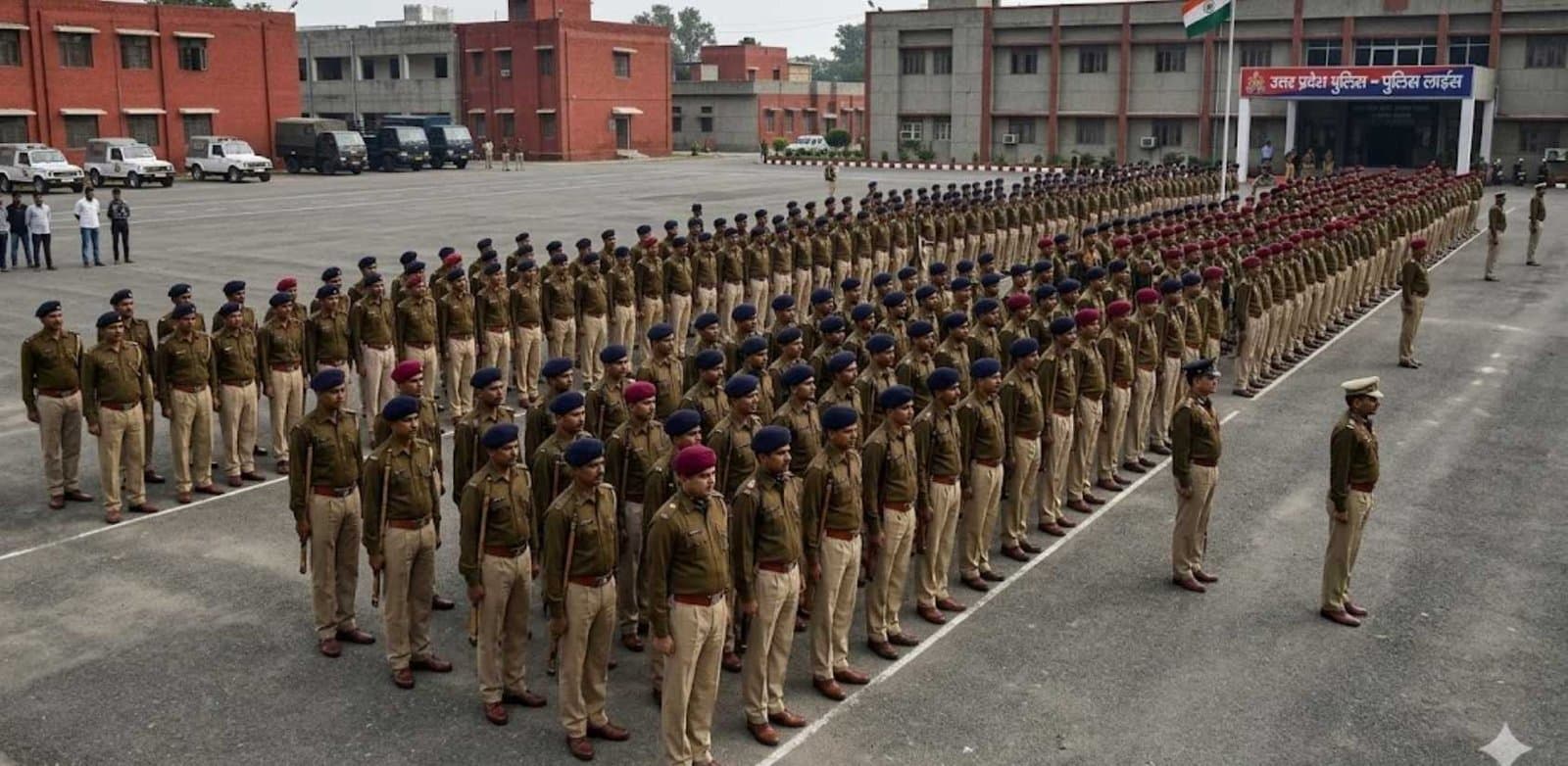
India extrajudicial killings UN report landed on February 26, 2026, the same day the Supreme Court was banning an NCERT textbook over a chapter on judicial corruption. A panel of United Nations human rights experts issued a formal statement warning that India’s law enforcement violence was “not sporadic, but systemic.” They called on the Government of India to launch urgent independent investigations into what they described as hundreds of extrajudicial killings, torture-related deaths, and thousands of injuries inflicted by police across the country.
The Indian government has not publicly responded to the report.
That silence is consistent. When the US State Department published its 2024 Country Report on Human Rights Practices for India, documenting arbitrary detention, extrajudicial killings, and restrictions on press freedom, New Delhi dismissed it as interference in internal affairs. When Amnesty International and Human Rights Watch have raised similar concerns, the response has been identical. The pattern is not denial. It is the refusal to engage.
The Scale of What Was Documented
The OHCHR report focuses on two states in particular: Uttar Pradesh and Assam. Both have governed under BJP chief ministers who have publicly celebrated police encounters as a governance achievement.
The numbers bear scrutiny. Since 1997, when the National Human Rights Commission began maintaining a database, at least 3,584 people have died in police encounter shootings nationwide. Uttar Pradesh leads with 1,114 killings. Under Chief Minister Yogi Adityanath, the state recorded its highest-ever fatalities in encounter shootings in 2025. A FactChecker investigation found a fivefold rise in pending encounter cases over six years, with zero convictions.
Zero. Not a single police officer convicted for an encounter death in six years.
The UN experts described specific methods of torture in custody: “beatings, electric shocks, sexual violence, psychological humiliation, and denial of medical care.” The NHRC itself reported 1,372 judicial custodial deaths as of August 2024, a figure that represents only cases formally registered. The actual number, by every credible estimate, is significantly higher.
Who Dies
The India extrajudicial killings UN report makes explicit what domestic data has long suggested: the victims are disproportionately from marginalized communities. The UN experts stated that “Muslims, Dalits and Adivasis” have been disproportionately affected. The South Asia Justice Campaign’s 2025 tracker documented at least 23 Muslims killed in police and security force encounters during the year, up from 21 in 2024 and 20 in 2023. A rising trend line in a country that insists it has no systemic problem.
The intersection of caste, religion, and policing is not incidental. In Uttar Pradesh, many documented encounter killings involve Muslim suspects in cases ranging from alleged cattle smuggling to minor property disputes. In Assam, encounters have targeted communities along the Bangladesh border. The political messaging is consistent: these killings are framed as decisive governance, not as human rights violations.
The Legal Vacuum
The UN experts identified a structural gap that makes accountability functionally impossible. India has yet to ratify the Convention against Torture. Torture is not explicitly criminalized in domestic law. The new criminal code reforms, the Bharatiya Nyaya Sanhita that replaced the Indian Penal Code in 2024, expanded police powers while weakening protections against abuse, according to the UN panel. The Supreme Court’s 2014 guidelines in the PUCL case, which require independent investigation of every encounter death, are routinely ignored.
The National Herald described encounters as an “unstated state policy”, a phrase that captures the constitutional absurdity precisely. The state does not officially endorse extrajudicial killing. It simply rewards the officers who carry it out, fails to investigate the deaths, and dismisses international documentation as foreign meddling.
A country that chairs BRICS, seeks a permanent UN Security Council seat, and presents itself as the voice of the Global South cannot indefinitely refuse to engage with UN findings that its police are systematically killing and torturing its own citizens. Or perhaps it can. The silence, so far, suggests it intends to try.