Opening The Rift
therift
© 2026 The Rift. All Rights Reserved.
Supreme Court Grants Relief to Excluded Voters in West Bengal SIR
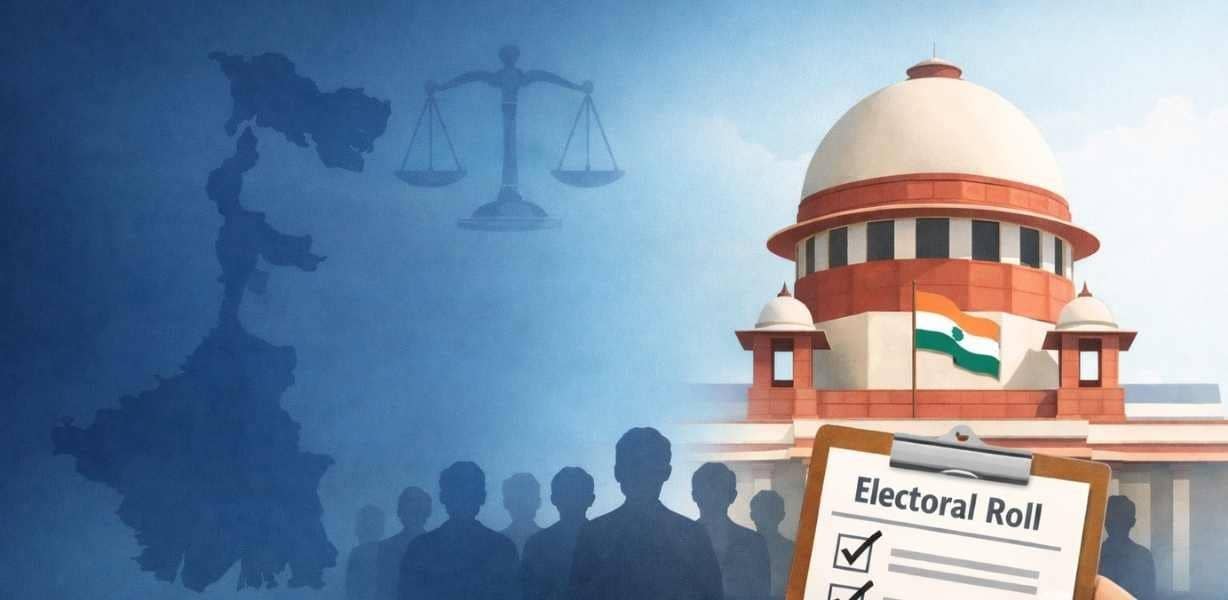
Supreme Court’s order allowing excluded voters in West Bengal’s Special Intensive Revision (SIR) to vote if their appeals are cleared before April 21 or 27

Key Takeaways
1 of 3
Automatically generated. Read full article for complete context.
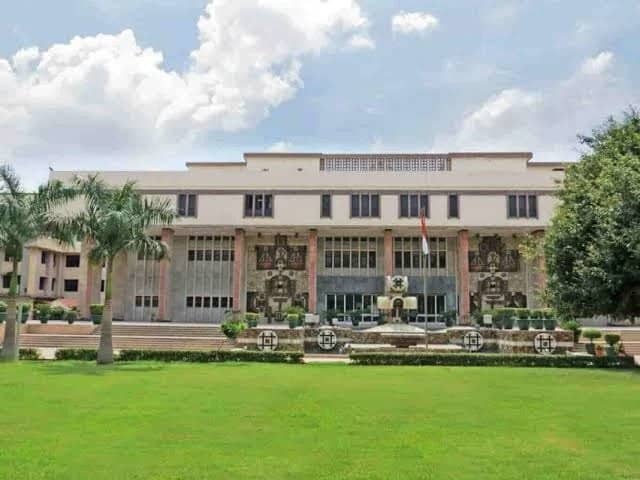
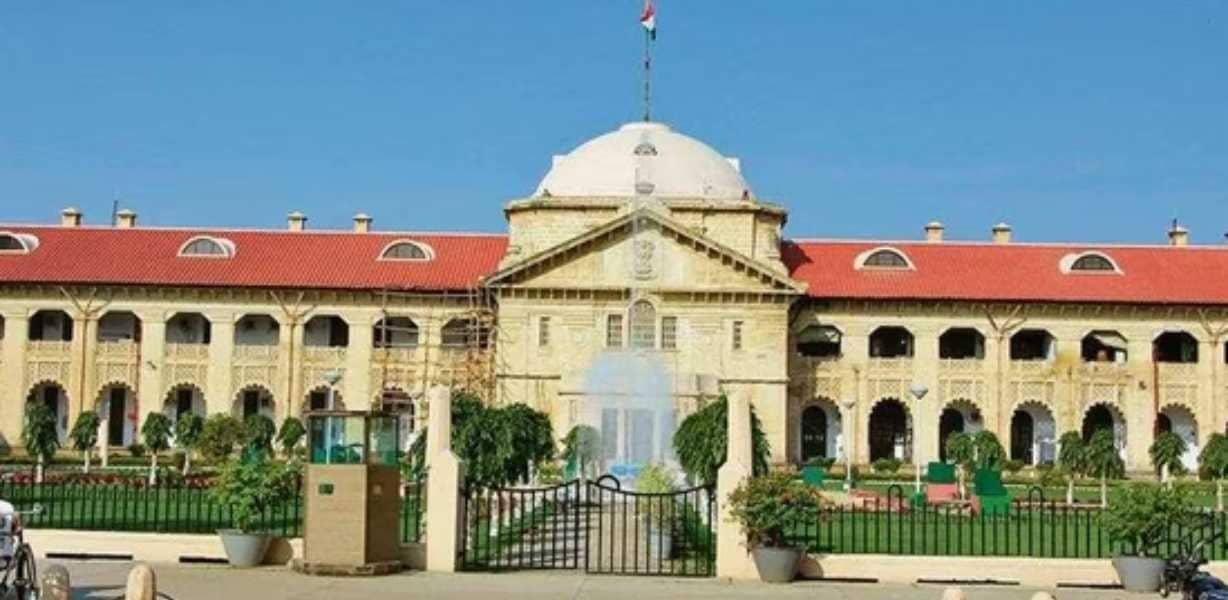
In a significant judicial intervention amidst the fiercely contested West Bengal Assembly elections of 2026, the Supreme Court of India has opened a crucial, albeit narrow, window for citizens excluded from the electoral rolls during the recent Special Intensive Revision (SIR). Under the extraordinary powers vested by Article 142 of the Constitution, a bench comprising Chief Justice of India Surya Kant and Justice Joymalya Bagchi directed the Election Commission of India (ECI) to allow excluded persons to vote, provided their appeals are swiftly cleared by Appellate Tribunals.
While the ruling establishes clear cut-off dates—April 21 for the first phase of elections on April 23, and April 27 for the second phase on April 29—it highlights a dual-edged reality: an exclusive, vital lifeline for those fighting for their democratic rights, coupled with the immense systemic challenges of navigating a strained tribunal apparatus in a race against time
The large-scale revision of electoral rolls in West Bengal recently saw millions of appeals filed against deletions. The fear of mass disenfranchisement loomed heavy over the electorate. By stepping in, the Supreme Court has reasserted the sanctity of the vote, noting that procedural delays should not cost a legitimate citizen their voice in a democracy.
This judgment is a hope for those wrongfully excluded. By legally compelling the ECI to update supplementary electoral rolls right up to the 11th hour, the Court has ensured that bureaucratic finality does not override substantive justice. It is an exclusive relief that breathes life back into the democratic process for vulnerable populations whose names were unceremoniously struck off the lists.
However, the relief is fundamentally conditional. The Supreme Court decisively clarified that the mere pendency of an appeal does not grant interim voting rights. An appellant must secure a formal order allowing their inclusion before the specified cut-off dates.
This throws the spotlight onto the immense practical challenges facing both the citizens and the appellate mechanism:
1. The Burden of Proof on Short Notice: Excluded citizens now face the Herculean task of rallying documentation, securing legal representation, and presenting their cases to tribunals within a matter of days. For rural, marginalized, and semi-literate populations, navigating this bureaucratic red tape at breakneck speed is overwhelmingly difficult.
2. Tribunal Capacity and Bottlenecks: The sheer volume of disputed deletions places extraordinary pressure on the Appellate Tribunals. Resolving thousands, if not hundreds of thousands, of complex eligibility claims within a one-week timeframe is an administrative nightmare. The risk of hasty adjudications—or worse, cases languishing unheard as the clock strikes the deadline—is significantly high.
3. Logistics of Supplementary Rolls: Even if a tribunal passes a favorable judgment on April 20 or April 26, the local election machinery must process that data, update the supplementary lists, and communicate the changes to the respective polling booths immediately. In the high-pressure environment of election eve, logistical missteps could easily negate hard-won legal victories.
The Supreme Court’s verdict strikes a delicate balance. It preserves the integrity of the electoral process by refusing blanket interim voting rights to all appellants—thus preventing potential electoral fraud—while keeping the door open for genuine citizens to reclaim their constitutional right.
Yet, a legal victory means little if it cannot be executed on the ground. The true success of this Supreme Court directive now relies entirely on the efficiency, fairness, and speed of the Appellate Tribunals and the West Bengal Election Commission. The coming days will test whether the administrative state can rise to the occasion to deliver speedy justice, or if the ticking clock will quietly disenfranchise those who had the right, but ran out of time.
Disclaimer:The views and opinions expressed in this article are those of the author(s) and do not necessarily reflect the official policy or position of The Rift.