Opening The Rift
therift
© 2026 The Rift. All Rights Reserved.
US-Israel Alliance Fracture? The Fatal Fiction of the Five-Day Pause
The US-Israel alliance fracture is exposed as Israel defiantly bombs Tehran during Trump’s mandated five-day pause. Is this the end of US leverage over Israel?


AI Generated | Illustrative
Key Takeaways
1 of 3
Automatically generated. Read full article for complete context.
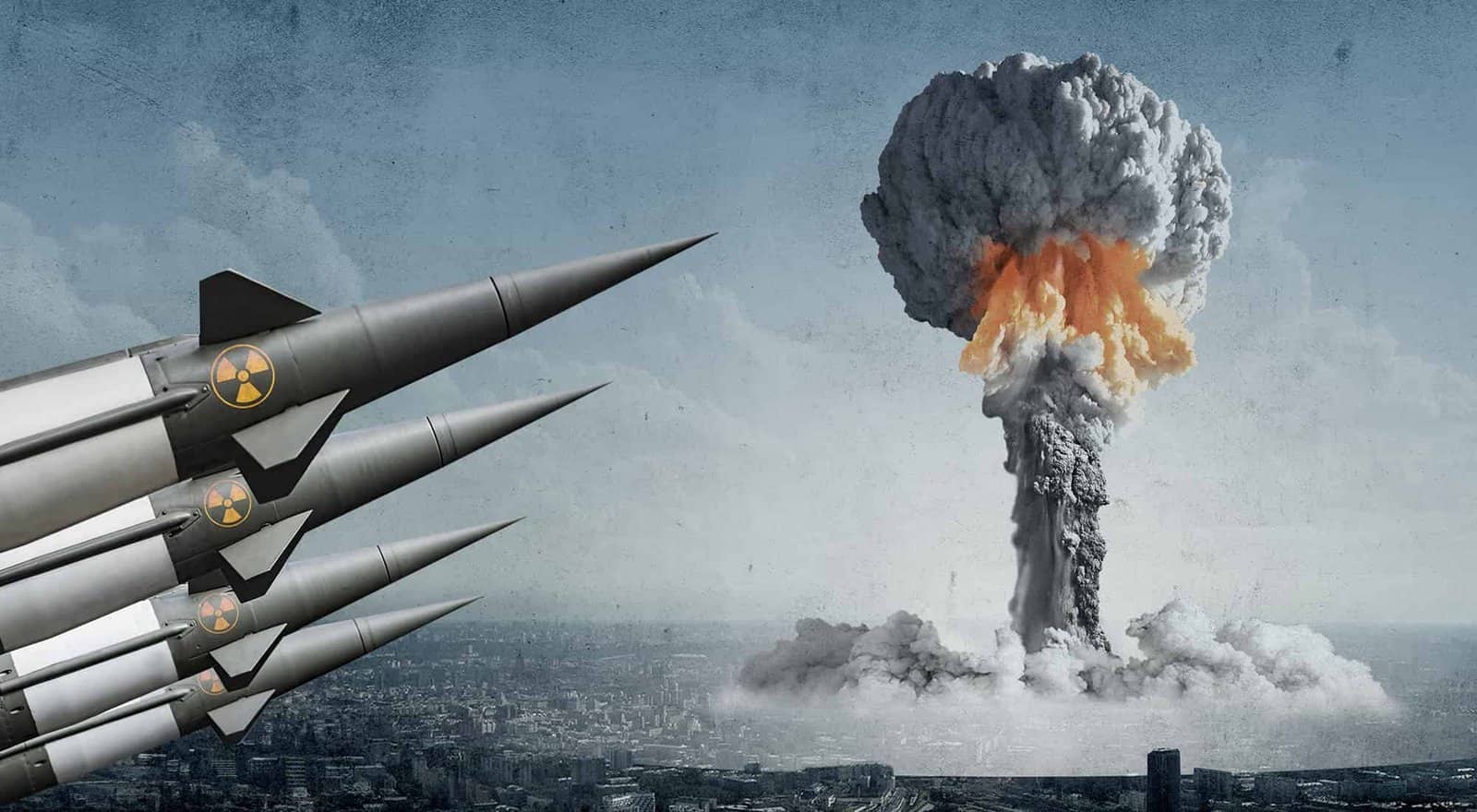
The US-Israel alliance fracture seems to become a public spectacle not through a UN resolution or a leaked cable, but through the smoking debris in Tehran. When Donald Trump announced a five-day postponement of strikes against Iranian power infrastructure, citing “very good and productive conversations,” it was framed as a muscular exercise of American diplomacy. But within few hour the Israeli Defense Forces unleashed a fresh wave of bombing runs on the Iranian capital. The contrast was stark, embarrassing, and highly instructive: Washington no longer holds the leash.
The immediate defying of Donald Trump’s delayed airstrikes by Israel marks a permanent rupture, where America has lost leverage over its own proxy war.
For decades, the strategic calculus in the Middle East relied on the assumption that Israel operates under an American security umbrella, and by extension, an American veto. This war is increasingly shredding this long held assumption. By visibly and violently defying the American president’s explicit pause, Tel Aviv demonstrated that the pursuit of mutually assured regime change supersedes any alliance protocol. It is a fatal divergence in objectives. Washington seeks a managed, high-pressure conflict to extract maximum diplomatic leverage over Tehran’s regional ambitions. Israel, however, is prosecuting an existential war of attrition, aiming entirely at dismantling the Iranian state architecture, regardless of the fallout.
This split leaves American diplomatic guarantees functionally worthless. When Trump issued his ultimatum demanding Iran reopen the Strait of Hormuz, the threat carried the implicit promise that compliance would yield safety. But how can Washington negotiate de-escalation if its primary regional partner treats American pauses as operational green lights? Iranian officials were quick to spot the rift, loudly denying that meaningful negotiations had occurred and framing the American delay as a retreat prompted by their own firm warnings. The optics are disastrous for US hegemony: a superpower that cannot constrain its allies cannot coerce its adversaries.
This dynamic reinforces the rapidly hardening consensus that American foreign policy is no longer directed by Washington, but effectively controlled by Israel. As Oman’s Foreign Minister and lead negotiator Sayyid Badr Albusaidi argued in a brilliant assessment for The Economist, the United States has surrendered the pen on its own Middle East strategy. That stark realization is no longer confined to diplomatic backchannels, it is violently gaining ground within America itself. Populist domestic figures like Tucker Carlson and numerous others are now loudly mainstreaming the idea, publicly questioning why American taxpayers and military assets are subordinated to foreign directives.
The complications of this fracture are staggering for global stability. The world relies on the United States to act as the ultimate arbiter in Middle Eastern conflicts. If the “five-day pause” fiction proves anything, it is that the US has been reduced to financing a war it can no longer direct. American taxpayers are effectively funding a blank check for operations that directly contradict State Department and White House policy directives. It can also be a case that Washington just buying some times to regroup resources to attack Tehran again. Either ways, it benefits the Israeli interests not the US.
As the bombing continues, the long-term damage stretches far beyond the ruins of Tehran. The US-Israel alliance has always been built on a foundation of shared strategic goals. Today, those goals are wildly divergent. Israel is fighting a war for its immediate neighborhood survival; America is trying to balance a global map that cannot sustain a cratered energy market. Until Washington decides whether it is a superpower managing a crisis or simply a quartermaster supplying an unchecked ally, peace in the Middle East remains a terrifying impossibility.