Opening The Rift
therift
© 2026 The Rift. All Rights Reserved.
A War No One Wants: Why the Middle East Conflict Persists Despite Global Opposition
Despite over 95% of the world wanting it to end, the Middle East war relentlessly spreads, threatening a wider global conflict and even nuclear involvement.

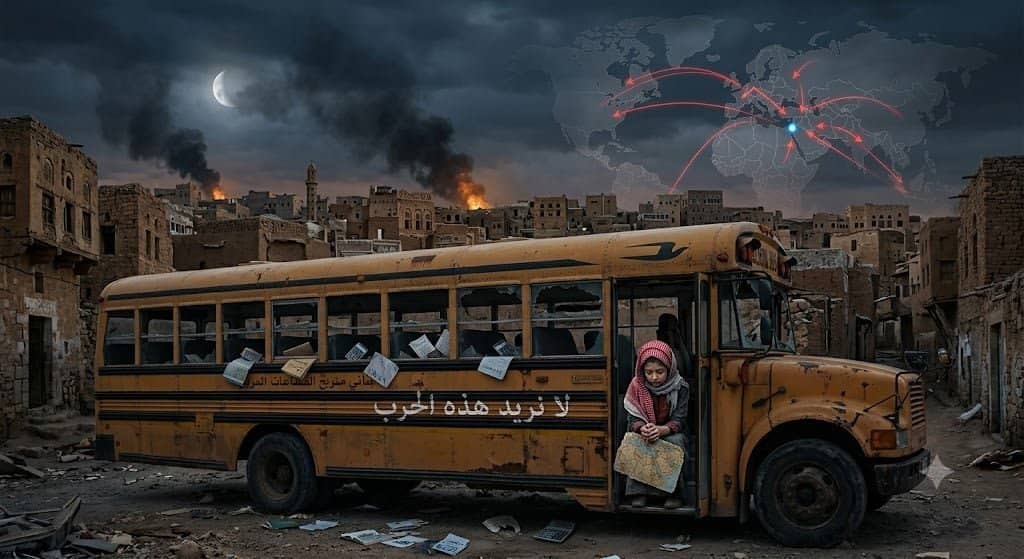
The Middle East conflict continues unabated, with global powers urging a peaceful resolution (Representative Image)
Key Takeaways
1 of 3
Automatically generated. Read full article for complete context.
Do the people of the USA want the US-Iran War?
No, they do not, and this is reflected already in polls. In fact, the people of the USA are sick of the forever wars of their country.
Do the people of Iran want this war to continue?
No, they certainly do not. They are the ones who have paid the most heavily for this, with many thousands dead and many millions facing endless injuries, displacement, denial of basic necessities and other serious disruptions and fears.
Do the ruling elites of the USA want this war to continue?
No, the Democrats have clearly said no and the Republicans too want to get out of this as this is eroding the support base of Trump and elections are close by.
Do the ruling elites of Iran want this war to continue?
No, they do not want such huge suffering in their country as is being caused by relentless attacks of the USA.
Do the people of neighboring Arab countries and migrant workers there want the war to continue?
No, they certainly do not, as they are badly caught up in a war which threatens their life in unpredictable ways time and again.
Do the ruling elites of Arab countries want this war to continue?
No, certainly they do not, as this increases high risks and uncertainties for them and their people, and seriously threatens their oil and gas exports as well as economic prospects.
Does the world taken as a whole want this war to continue?
No, it certainly does not, as this war has very negative impacts on the economy of most countries, and on their international trade, energy, and food security in particular.
So if all sides appear to be so eager to get out of this high-destruction war, why is it continuing and why was it re-started twice after an MOU had already having been agreed to already?
When we said that almost no one wants this war, we excluded a few Israeli leaders like Mr. Netanyahu, who is likely to favor a longer US-Iran war on the basis of very narrow thinking, a few Western leaders linked closely to this line of thinking; and also excluded also those corporate interests who benefit from forever wars in the form of increasing orders for their weapons and in the form of real-world testing of their new weapon systems. Leaving aside such few supporters of war, we can say that over 95% of the world wants this war to end as early as possible on a durable basis and on a note of justice.
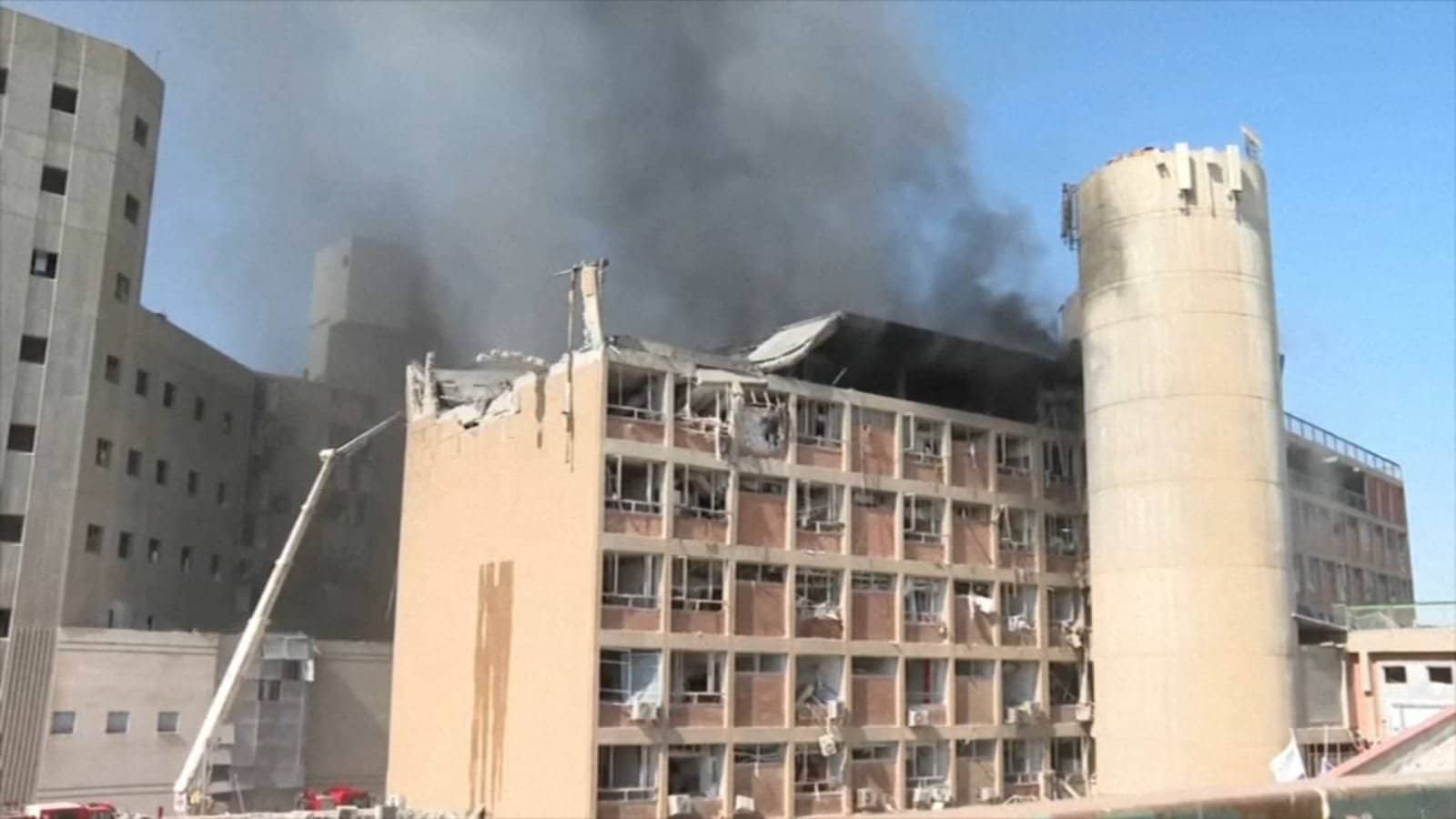
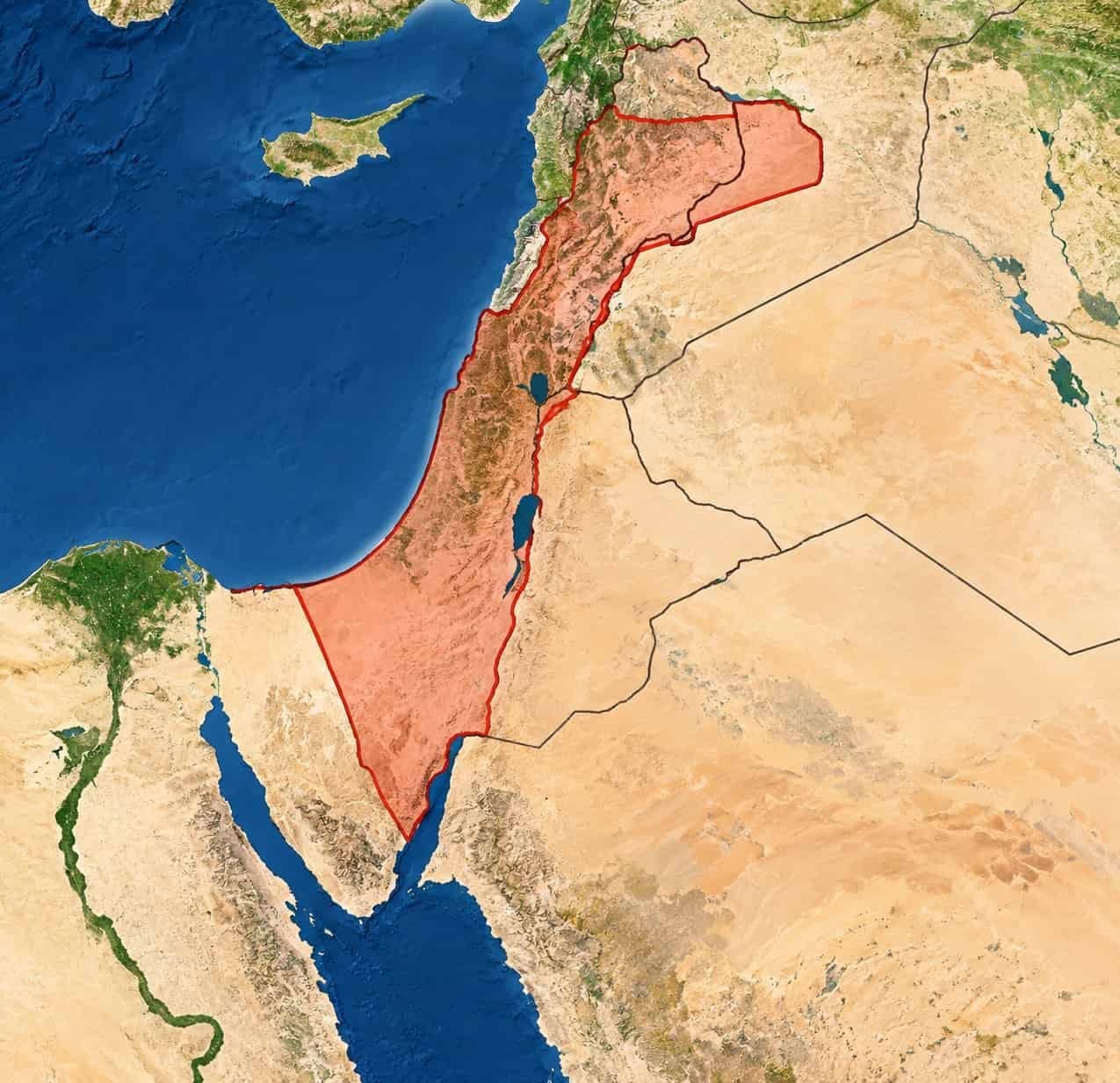
However, despite this, the Middle East war appears to be spreading to more and more countries and already over a dozen countries of the region have faced at least some attack or other to a lesser or greater extent, while other countries have suffered attacks on their ships or cargoes. This war already appears to have spilled over to Africa as well. With Iran-Ukraine aggression already seen in an attack, there are also possibilities of the two most dangerous wars in the Middle East and in Europe getting entangled with each other to some extent. Now, there are several layers and aspects of this war which interact with each other and make the situation very dangerous and unpredictable. If due caution is not exercised, there are possibilities here of an even wider war, and perhaps even a world war. So now we have two possibilities where world war can start—from the Middle East war and from the Russia-Ukraine war. Both can involve use of nuclear weapons. Both can get interlinked. There have been few occasions when such a highly dangerous situation has existed.
While wrong and arrogant decisions of some leaders should certainly get their share of the blame, another important aspect that should get more attention is the near absence of the forces of peace that can play an effective role in checking the relentless march towards some huge disaster and then an even bigger one. The United Nations appears to be extremely marginalized and ineffective at a time when an effective international peace organizationInternational Peace OrganizationAn intergovernmental or non-governmental body dedicated to promoting peace, preventing conflict, and fostering cooperation among nations, such as the United Nations. is needed most. Significant justice-based peace initiatives that can increase the hope of peace are just not on the horizon despite their great need. The involved and affected countries may be making some desperate moves for peace, time and again, but these are of a very short-term perspective, very much linked to immediate self-needs, and devoid of a hope-giving vision of durable and effective peace.
In these conditions, a strong and unbiased peace movement at a world level is perhaps the biggest need of humanity today. Such a peace movement, based in the unity and support of common people but also assisted by assisted by highly experienced statesmen and and scholars, can come up with solutions that can be truly helpful and can also take these solutions to leaders on all sides, as well as build strong public support around them. In this entire peace effort, media organizations committed to peace can also make a very valuable contribution.
Disclaimer:The views and opinions expressed in this article are those of the author(s) and do not necessarily reflect the official policy or position of The Rift.