Opening The Rift
therift
© 2026 The Rift. All Rights Reserved.
BREAD, WATER, SEED: FOOD AS WEAPON, FOOD AS RESISTANCE IN GAZA
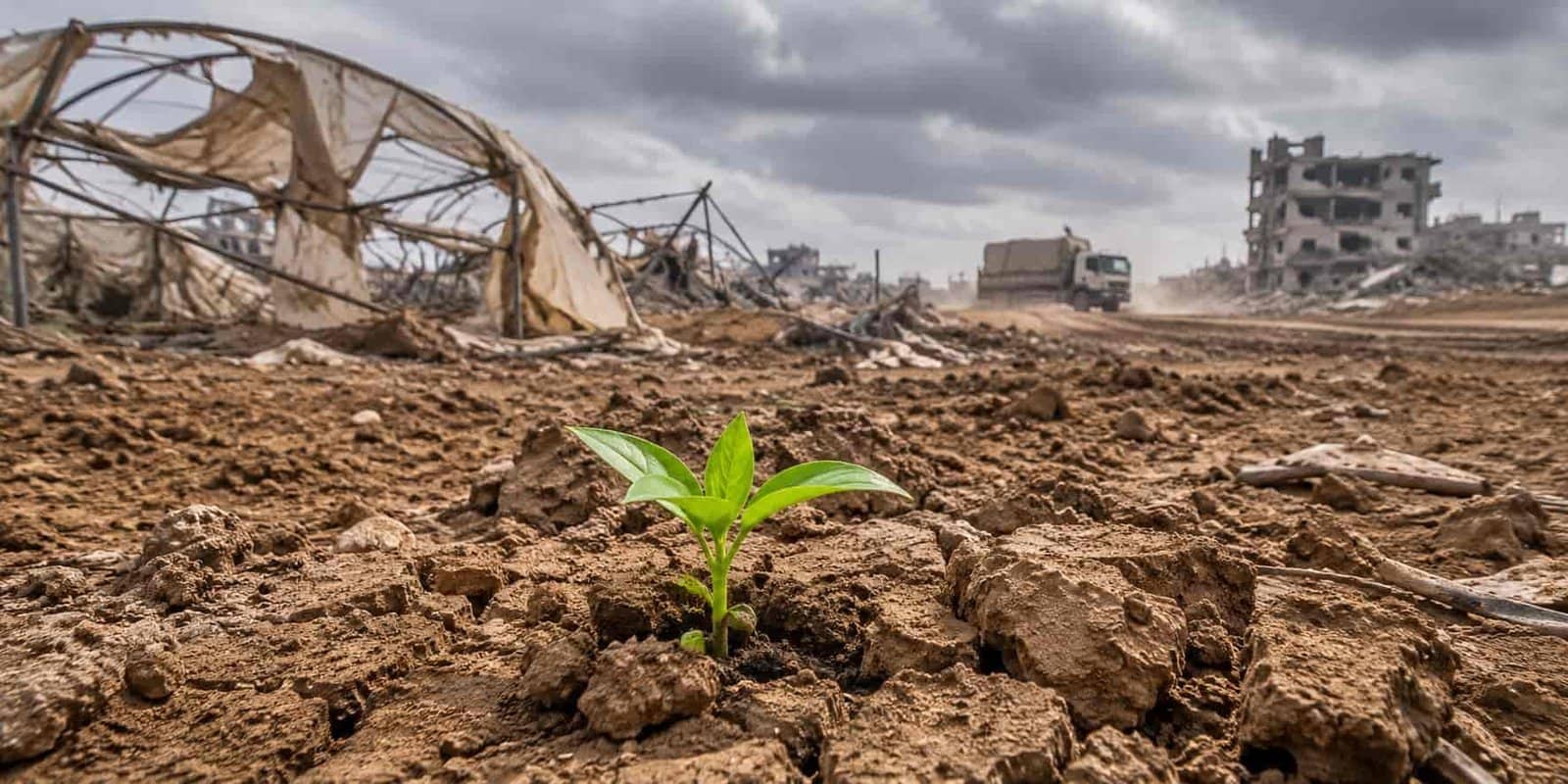
The weaponisation of food described by Al Mezan is not just war crime but triple enclosure which is enclosure of land, water and seed.

Key Takeaways
1 of 3
Automatically generated. Read full article for complete context.
Reading Al Mezan Report; ‘My children have nothing to eat,’ Oct 17, 2026, with Vandana Shiva and Palestinian Feminist Scholars. “While we were being displaced through the Netzarim Corridor, Israeli occupation soldiers took my husband. Since then… we depend primarily on humanitarian assistance and charitable food kitchens, which we can barely access… There are days when we suffer from hunger and my children have nothing to eat.” S.D., mother of two, displaced from Beit Lahia to Nusseirat, quoted by Al Mezan, takayas. Food is scarcity today in Gaza and the most politicised weapon as well.
S.D.’s testimony condenses what Al Mezan documents as systematic: 87% agricultural land and natural habitat destroyed, 8,700 agricultural wells demolished, 9,992 cattle, sheep, poultry farms ruined, 69,000 livestock killed, 90% industrial establishments devastated, 35,000 jobs lost, 201,290 buildings damaged, 128 aid convoys, 64 distribution centres, 48 takayas targeted, 2,605 aid seekers and aid workers killed, 67% of Strip occupied east of yellow line, 466 malnutrition or starvation deaths including 156 children, 158,001 acute malnutrition cases under-five 2024 to Aug 2026 including 28,716 severe, 74,200 children projected to need treatment by April 2027, 1.4 million facing crisis-level food insecurity, 61% anemia in pregnant women, 4,000 pregnancy losses first half of 2026, 11% elderly go whole day without eating. This is not collateral damage, this is what Vandana Shiva calls Food Fascism and what Palestinian feminists call unchilding through starvation. This is chaos, this is brutality and it is ravaging of life and victimization beyond comprehension, this article reads Gaza through three lenses: Shiva’s ecofeminism, Palestinian feminist agrarian scholarship and liberation theology of bread and water, with ecocide as a bridge.
VANDANA SHIVA: FROM FOOD FASCISM TO EARTH DEMOCRACY
Vandana Shiva, Indian physicist, ecofeminist, Navdanya founder, provides the first frame. Four concepts are directly applicable: Food as Weapon vs Food as Freedom, Stolen Harvest, 2000, where Shiva argues industrial agriculture’s notion of stealing harvest by destroying small farmer’s capacity to produce and then selling it back as commodity. Gaza literalizes this: destroy 87% farmland, poultry sector, fishing, aquaculture, Al Mezan, together constitutes destruction of the capacity to produce protein. Then population depends on 48 takayas for lunch as the only meal. Meat and dairy production are ceased, not by market but by bombing and barricading the resources. Shiva would understand this as when food is a weapon, hunger is not scarcity but engineered. Monocultures of Mind, 1993 and Seed Satyagraha where Shiva argues Green Revolution replaces biodiversity with monoculture, making the system vulnerable. Gaza’s pre-war agriculture was already restricted, the diverse baladi wheat, heirloom vegetables, olive, citrus and strawberries have been kept away. Destruction of the greenhouses and bulldozing of the crops, monoculture of aid and flour, rice, lentils from trucks. 8,700 wells destroyed, death of groundwater irrigation that sustained diversity, Shiva understands this as Seed Apartheid, controlling who can sow and who can own. Staying Alive: Women, Ecology and Development, 1988 Ecofeminism where Shiva shows women are first food providers, first affected when food system collapses. Mothers grind animal feed to make bread, drink contaminated water, and go without for consecutive days so children survive, 48% elderly reduce portions for family, 61% anemia pregnant women. This is ecofeminist point: women absorb famine in bodies, anemia, high-risk pregnancy, 1 in 3 high-risk, and pregnancy losses tripled. Shiva: The violence to nature is violence to women who depend on nature for food. Earth Democracy, 2005, Obligation to Seed, Water and Soil: Shiva contrasts corporate property vs community commons. Water is commons, not commodity, Destroying 8,700 wells and preventing fishing are nothing but enclosure of commons, impacting the livelihood of the people of the land and resources. She writes: Right to food is not right to be fed by state or NGO, but right to grow food. S.D. does not want takaya lunch, she wants to provide clothes, basic necessities, wants productive capacity, not charity. Earth Democracy demands restoration of wells, land, fishing as justice, not just the aid trucks. Shiva’s critique of Western-backed savagery, text says Western-backed Israeli savagery, matches her analysis of WTO, World Bank backing industrial agriculture. She would call Gaza the ultimate laboratory of food fascism: first occupy 67% of the land east of the yellow line where aquifers, farmland and industry lie, then bomb the remaining and then control aid, this is nothing but a collapse of civilization, this is cold barbarism and this is nazi-israel’s version of self-assertion, depiction of the evil, the one they feared and resisted, they have become the worst version of it.
PALESTINIAN FEMINIST SCHOLARS: SEED, UNCHILDING, AND SUMUD
Shiva gives global south frame, but Palestinian feminists give rooted frame. Where the Palestinians are the seeds themselves, they are the children themselves and they are the justice themselves. Five scholars help us in this regard. These scholars wisdom emerge in the context of colonial settler’s violence and genocide. Vivien Sansour, Palestine Heirloom Seed Library, Battir: Sansour, Bethlehem agronomist-artist, founded Heirloom Seed Library in 2014 to save baladi seeds, baamia, jadu’i watermelon, white cucumber, threatened by occupation and industrial seeds. Her work, The Ecology of Return, argues seed is archive of sumud, steadfastness. Each seed carries memory of farmer, soil and story. Reading Al Mezan: 87% agricultural land destruction includes seed banks, greenhouses where heirloom seedlings were grown. This is not just food loss but seed genocide, erasure of library. Sansour: When they bulldoze field, they bulldoze 100 years of selection by women farmers. Your 69,000 livestock killed includes baladi goats, chickens and animal seed bank. Sansour’s feminist method: women are seed keepers. In Gaza, women kept rooftop gardens, seeds in jars despite siege. Now displaced multiple times, plastic sheet tents, no rooftop and no jar. S.D. originally from Beit Lahia, area famous for strawberries, now displaced to school in Nusseirat. Loss of place is as equal to loss of seed knowledge.
Nadera Shalhoub-Kevorkian, Unchilding and Necropolitics: Hebrew University, now Queen Mary, Palestinian feminist, author Incarcerated Childhood and the Politics of Unchilding, 2019, Security Theology, Surveillance and the Politics of Fear, 2015. Her concept unchilding: Israeli settler colonialism un-childs Palestinian child, makes child non-child, therefore killable, starve-able, data shows severe wasting among infants and under-five due to shortage infant formula and acute malnutrition among breastfeeding mothers, stunting 12.2%, mortality under-five rose 13.6 to 33.4 per 1,000 live births 2022 to 2025, children queuing at takayas instead of school, bearing burden beyond years. Shalhoub-Kevorkian: Unchilding happens through bureaucracy of food, child becomes case of acute malnutrition. Not a child anymore. 74,200 children requiring treatment by April 2027, each is child forced to become data, data today in the context war and terror is money-capital. S.D.’s children having nothing to eat, unchilding via hunger, making childhood about securing water not playing.
Lila Abu-Lughod, Feminist Ethnography of Hunger: Abu-Lughod, Columbia, Do Muslim Women Need Saving?, 2013, critiques saving narrative that erases women’s agency. In Gaza, she would critique aid saves Gazan mothers narrative. S.D. does not want saving, wants husband returned, source of income, ability to provide. Her agency is not as victim receiving lunch but as provider prevented. Her concept, politics of location, matters: S.D. testimony locates hunger in Netzarim Corridor abduction, displacement, not in natural scarcity, Hunger has address.
Rania El-Hilou and Lina Al-Sharif, Food Sovereignty as Resistance: Emerging Palestinian feminist food scholars documenting taboon, zaatar, freekeh as resistance. El-Hilou’s work on Gaza community kitchens shows takaya is not just charity but women’s mutual aid, women who run takayas risk bombing, 48 targeted, to cook. They grind animal feed to make bread, this is not victimhood but sumud bread, adaptation under siege. Al-Sharif: To make bread from animal feed is to refuse to die. This is a theological act. Nour Joudah, Becoming a Feminist Archive of Watermelon: Joudah’s work on watermelon as symbol of Palestinian flag when flag banned, red, green, black, white. Watermelon requires water, land. Destroying wells and greenhouses destroys ability to grow own flag, thereby eating watermelon becomes political.
ECOCIDE: LEGAL AND THEOLOGICAL BRIDGE
Ecocide as Proposed by Polly Higgins, 2010 and Stop Ecocide Foundation: unlawful or wanton acts committed with knowledge that there is substantial likelihood of severe and either widespread or long-term damage to environment. Al Mezan data fits ecocide threshold: Widespread, 87% agricultural land, 8,700 wells, and 9,992 farms across entire Strip. Severe: 69,000 livestock, cessation of meat or dairy or poultry, destruction aquaculture, prevention fishing. Long-term: Agricultural wells take years to desalinate after bombing; soil is contaminated by munitions; 90% industrial destruction means no capacity to rebuild irrigation. UN Special Rapporteur on Human Rights and Environment, David Boyd, 2024 report called Gaza situation textbook case of ecocide. International Criminal Court Prosecutor Karim Khan in 2024 applications considered environmental destruction as part of starvation war crime. Shiva links ecocide to genocide: Ecocide is root of genocide. Destroy earth, destroy people who depend on earth. Palestinian feminist scholars add femicide: the destruction of reproductive capacity, leading to anemia, pregnancy loss, and stunting. Theological ecocide: Pope Francis, Laudato Si’, 2015, destruction of environment is sin against creation. Islamic principles of hima and harim, protected zones for water and pasture, cannot be destroyed in war. 8,700 wells violates Quranic principle we made from water every living thing.
THEOLOGY OF BREAD AND WATER: Palestinian Theology of Protest.
Christian Palestinian Liberation Theology: Naim Ateek (A Palestinian Christian Cry, 2008) and Mitri Raheb (Faith in the Face of Empire, 2014), both Bethlehem theologians, read Jesus as an occupied Palestinian. The bread that Jesus feeds, 5,000, in Galilee, which was occupied by Rome, and to understand the multiplication of bread is anti-colonial and a mark of protest against the pharaonic kind of hegemony. People hungry under taxation experienced deep slavery. Gaza grinding animal feed to make their bread is Eucharist in reverse—not abundance but scarcity—yet still sharing, and is done in memory of life itself, their will to live, just as Jesus would have meant life in the context of custodial torture. 48 charitable kitchens targeted, Herod’s soldiers targeting feeding, the food market, the land and its resources. Jesus’ statement, ‘I was thirsty and you gave me drink’ (Matthew 25:35), connotes contaminated water, prevention of fishing, destruction of wells, and denial of drink. S.D. drinking contaminated water so children survive, is an Christological event. Raheb, Bethlehem today encircled by Wall, like Gaza encircled by yellow line. Bethlehem’s water taken by settlements, Gaza’s water destroyed. Theology of water is theology of occupation, for Ateek: Occupation is sin; the weaponization of food is sin, because bread is body, and to starve is to desecrate the body. Islamic Theology of Rizq and Ma’ Water; Quran 2:168, O mankind, eat from whatever is on earth lawful and good. Rizq, provision, is from God, not occupier. To prevent rizq is to interfere with divine provision. Hadith: If a Muslim plants tree, whatever is eaten from it is charity. Destroying 87% land, greenhouses, destroying sadaqah jariya, continuous charity, Figh al-ma’, jurisprudence of water: Water is right, cannot be denied. Prophet forbade preventing surplus water. Destroying 8,700 wells is a violation. Fasting theology: Ramadan fast is chosen hunger to remember involuntary hunger, Gaza’s forced fast is involuntary, not spiritual but imposed. 11% elderly go whole day without a meal, forced sawm without iftar. Vandana Shiva’s Sacred Seed Theology: Shiva draws on Navdanya, nine seeds and Bija mantra, seed is sacred. In Earth Democracy, seed saving is prayer. Sansour’s Heirloom Seed Library is prayer. Destroying seed bank is sacrilege. This links Hindu, Christian, Muslim liberation theologies all see seed as sacred, not as a commodity.
CONCLUSION: JUSTICE AS RETURN OF SEED, WATER and CHILD
Critical political-theological thesis that weaponisation described by Al Mezan is not just war crime but triple enclosure which is enclosure of land through 67% occupation, enclosure of water through 8,700 wells and enclosure of seed through 87% land and 69,000 livestock which makes people dependent on takaya and then targets takaya itself through 48 kitchens, 128 convoys and 2,605 killed which is de Waal’s counter-insurgency famine and Shiva’s food fascism and Wolfe’s elimination where Palestinian feminist response is not just aid trucks but return of capacity. where Sansour demands return of heirloom seeds and Shalhoub-Kevorkian demands re-childing of children so they go to school not queue and El-Hilou demands recognition of takaya women as resistance not victims and Shiva demands food sovereignty not food aid which is right to grow not right to be fed. Theological justice which in Eucharist is bread broken for all but in Gaza, bread ground from animal feed barely enough insists that justice is not more of aid trucks but restoration of wells, land, fishing. S.D. can say My children have something to eat because we grew it not have nothing, and where numbers of 74,200 children by April 2027 is not future prediction but present obligation. Simone Weil would say obligation precedes right, and where obligation is to stop ecocide now, not count malnourished later and where this obligation must be understood as return of seed, water and child as inseparable acts of justice that cannot be deferred.
Disclaimer:The views and opinions expressed in this article are those of the author(s) and do not necessarily reflect the official policy or position of The Rift.
*GazaEcocideFood SecurityHumanitarian CrisisLiberation TheologyPalestinian FeminismVandana ShivaWar Crimes