Opening The Rift
therift
© 2026 The Rift. All Rights Reserved.
BIWAL’s Sustainable Development and Climate Resilient Initiatives Bring Hope to Bundelkhand’s Villages
BIWAL has offered a model that increases hope of farmers with just 1 to 4 acres of land by reducing their costs and increasing their net income, while also improving nutrition and health.

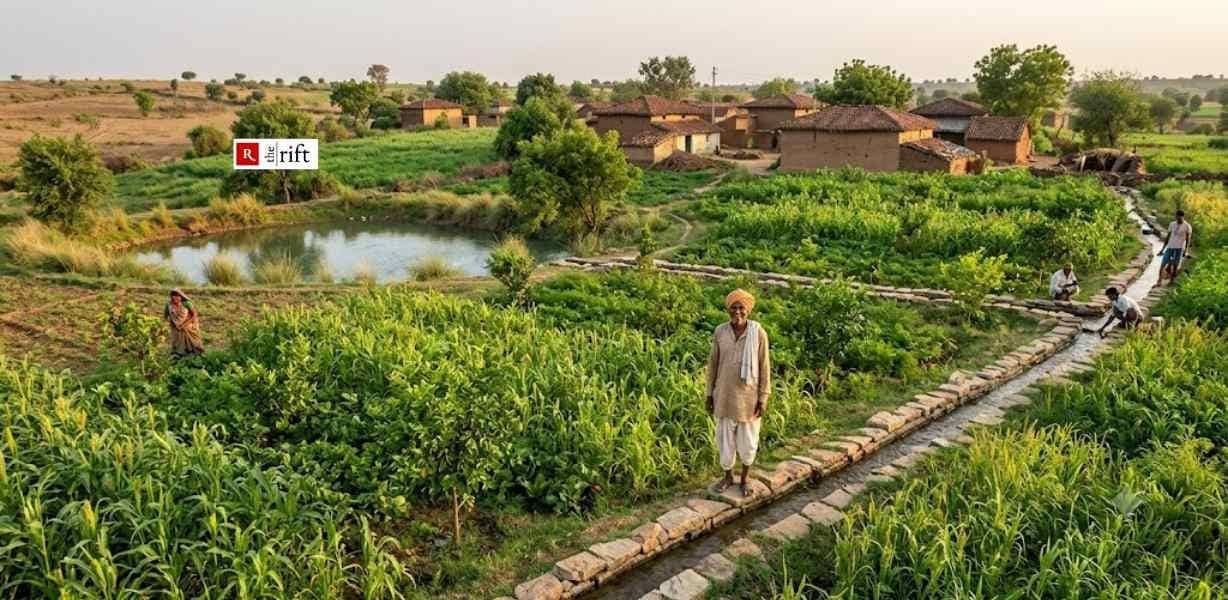
Image | Representative Only
Key Takeaways
1 of 3
“BIWAL (Bundelkhand Initiative for Water, Agriculture and Livelihoods) is one such initiative that has been able to reach over 75,000 farmers of Bundelkhand.”
Automatically generated. Read full article for complete context.
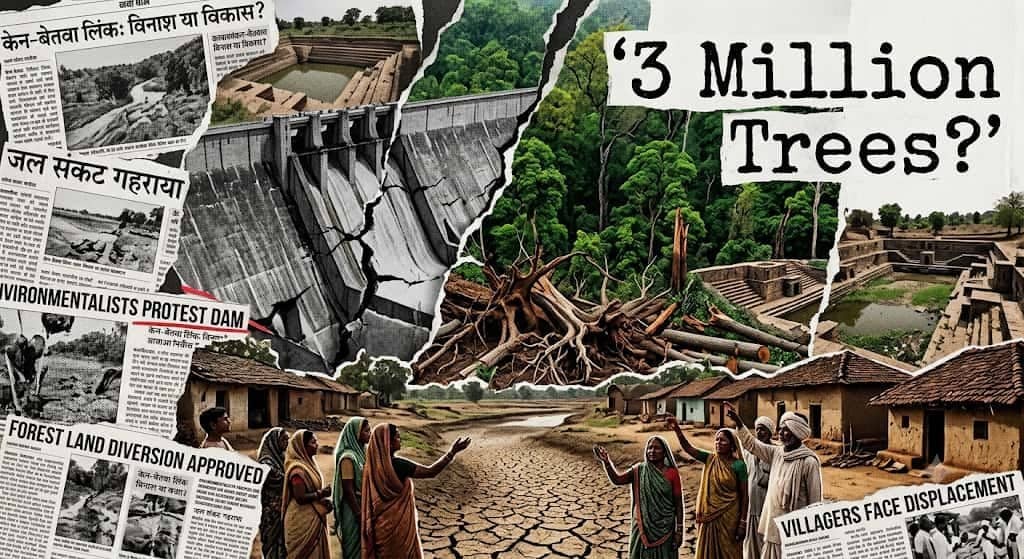
There are some regions that have been repeatedly in news due to their serious problems in recent decades. BundelkhandBundelkhandA historically drought-prone and marginalized region spanning 14 districts across Uttar Pradesh and Madhya Pradesh., spread over 14 districts of Central India in the states of Uttar Pradesh and Madhya Pradesh, is one such region that has been in headlines in recent decades due to water scarcity, prolonged drought spells, other adverse weather conditions and disasters, crisis of farmers and large-scale migration of villagers in search of livelihood support. However, it would not be fair to look only at these distressing conditions, as on the positive side, there have been several highly encouraging development initiatives that have become a talking point far and wide for bringing hope to hundreds of villages, overcoming many difficulties. BIWAL (Bundelkhand Initiative for Water, Agriculture and Livelihoods) is one such initiative that has been able to reach over 75,000 farmers of Bundelkhand.
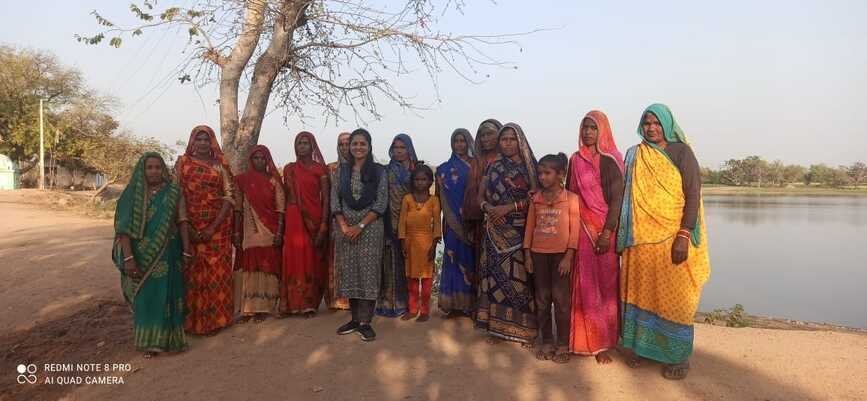
Bundelkhand has been generally recognized in the country by the historic city of Jhansi, the pilgrimage of Chitrakut and the famous tourist resort of Khajuraho. However with the increasing success of some development initiatives here several people are also coming here to see their success and examine their relevance for their own areas. A remarkable aspect of BIWAL has been the way in which a leading voluntary organization SRIJANSRIJANSelf-Reliant Initiatives for Joint Action, a leading civil society organization focused on rural livelihoods and water management. (Self-Reliant Initiatives for Joint Action) has entered into close partnerships with other leading voluntary organizations of the region like the ABSSS, Arunodaya, YKVM, Hartika and CARD to ensure best possible implementation in a large number of villages where various different NGOs have their organizational strength and capacity to reach out to people more effectively. Hence, instead of rivalry, a model based on cooperation and utilizing the strengths of various organizations for achieving better results at the field level has been promoted by the BIWAL initiative.
The BIWAL effort has been described by its initiators as “an informal joint endeavour of civil society organizations concerned and involved with the socio-economic development of rural areas of Bundelkhand. This initiative has been taken up with an expectation that it will help address issues relating to climate change and achieving the Sustainable Development Goals (SDG)Sustainable Development Goals (SDG)A framework of 17 global goals set by the UN to end poverty, protect the planet, and ensure peace and prosperity. targets. By contextualizing it with the repair and rejuvenation of traditional water bodies, historic assets for harvesting monsoon rains, it could result in successfully integrating backwards with the natural environment and at the same time ensuring forward integration with agriculture and livelihoods. This initiative has been taken up by engaging local communities and the initiative has received support from the Department of Panchayati Raj and Rural Development and has progressed with funding support from Corporate Social Responsibility (CSR) of public sector undertakings, private corporations, foundations and research institutes as knowledge partner for this initiative.”
One of the most important questions in the context of the development experience has been that of ensuring satisfactory and sustainable livelihoods to small farmers. Despite migration trends, small-scale farming still remains the most important livelihood in Bundelkhand. This has been coming under increasing stress due to increasing farming costs and decline in natural fertility of land. BIWAL has offered a model that increases hope of farmers with just 1 to 4 acres of land by reducing their costs and increasing their net income, while also improving nutrition and health. What is more this is also sought to be achieved by improving the environmental conditions including the basic resource base of soil and water and by increasing the capacity of meeting the emerging challenge of climate change.

At another level the BIWAL model also offers an inspirational example of combining the best of modern science with the best of traditional wisdom in participative conditions in which people can contribute more in terms of their knowledge and understanding of local conditions and traditional wisdom of farming communities. Traditional vegetable cultivators, for example, have better chances of using their traditional skills and knowledge while also benefiting from (and integrating) the innovations recommended in the BIWAL model. This has progressed well as the basic model of natural farmingNatural farmingAn ecological farming system that eliminates chemical inputs, relying entirely on natural biomass, local seeds, and traditional techniques. that BIWAL recommends has many more possibilities of benefiting from and utilizing the traditional wisdom of farmers.
Enhancement of sustainable livelihoods with special emphasis on weaker sections, while at the same time protecting environment, constitutes one of the most relevant and essential tasks.
Enhancement of sustainable livelihoods with special emphasis on weaker sections, while at the same time protecting environment, constitutes one of the most relevant and essential tasks. This is the point where the most desirable objectives of justice and environment protection meet. While this is important in urban as well as rural contexts, the challenge in rural areas remains particularly important in the context of its relationship with protecting food security as well as the wider scope for ecologically protective tasks in rural areas. This has always been true, but in present times this has become even more true and significant in the context of meeting the challenge of climate change mitigation and adaptation, which is a very important survival issue. It goes without saying that the importance of all this will continue to increase in the years to come.
Hence while all interventions which enhance welfare in broad terms are important, there is certainly a special place for those initiatives which seek to combine the objectives of enhancing sustainable rural livelihoods while also protecting environment and biodiversity in various ways with special emphasis on climate change mitigation and adaptation.
It is no exaggeration to say that such interventions, when taken up on an adequately large scale or in ways which are likely to inspire similar efforts on a large-scale, can make the crucial difference between growing helplessness in times of climate change and growing resilience.
Further this task has a special urgency in those areas or regions which have already been experiencing high levels of rural distress and environmental destruction in recent times, and due to this and other factors are being seen as being more vulnerable to climate change. It is no exaggeration to say that such interventions, when taken up on an adequately large scale or in ways which are likely to inspire similar efforts on a large-scale, can make the crucial difference between growing helplessness in times of climate change and growing resilience. The importance of such initiatives increases further if these also contribute in significant ways to mitigation aspects of climate change and not just to adaptation.
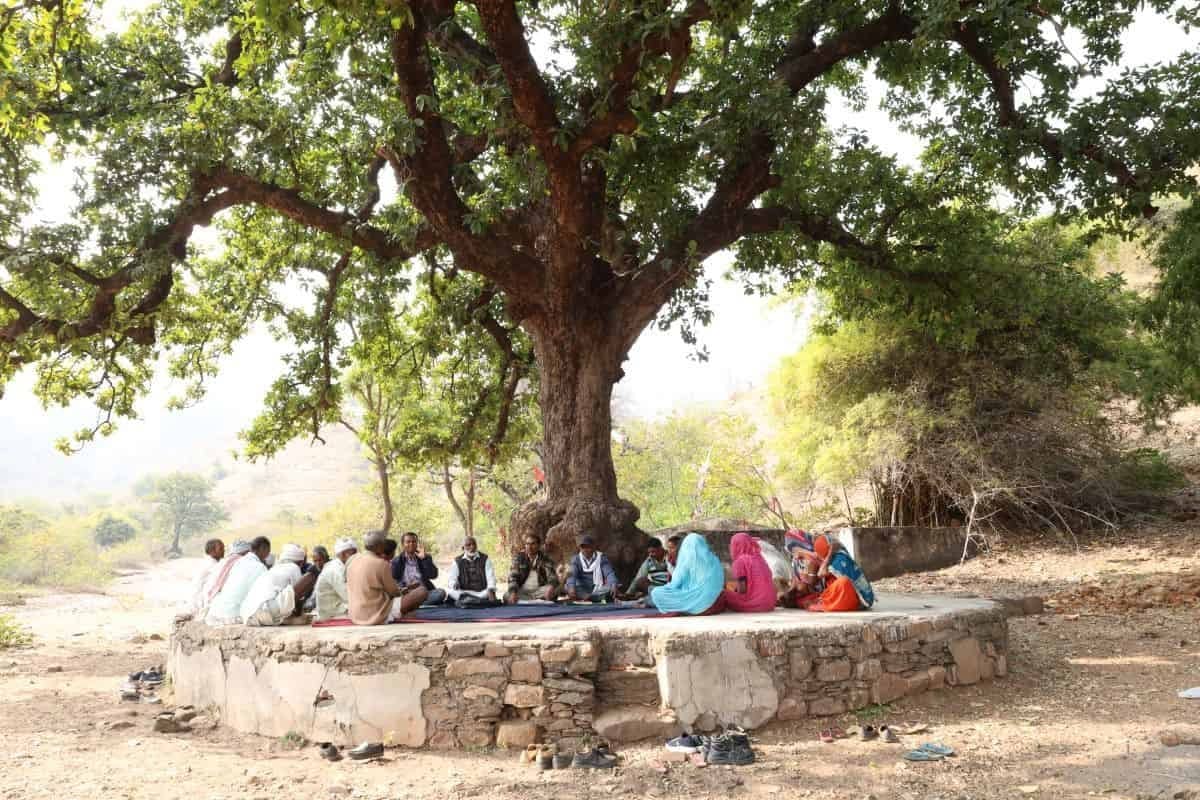
It is in this wider context that BIWAL should be examined for its success, lessons, limitations and future planning. As its name implies, it is primarily concerned with work relating to water, agriculture and rural livelihoods in Bundelkhand region. Its aim is comprehensive socio-economic change but at the same time it also prioritizes certain specific interventions on the basis of their higher expected benefits at relatively low costs and likely good response from people. While the interventions in various villages differ in response to specific needs, broadly the emphasis has been on ensuring better utilization of local resources and assets, low-cost methods of water-conservation including restoration and improvement of existing water sources, promotion of natural farming with diversification in the form of increasing vegetable and fruit cultivation along with staple food crops, ensuring a steady supply of year-round income with diversification while reducing risks and improving green cover in villages with dense growth of diverse indigenous species trees. All this is taken forward with close participation of villagers in the form of their development committees, with special care being taken to emphasize the progress of weaker or poorer sections as well as women.
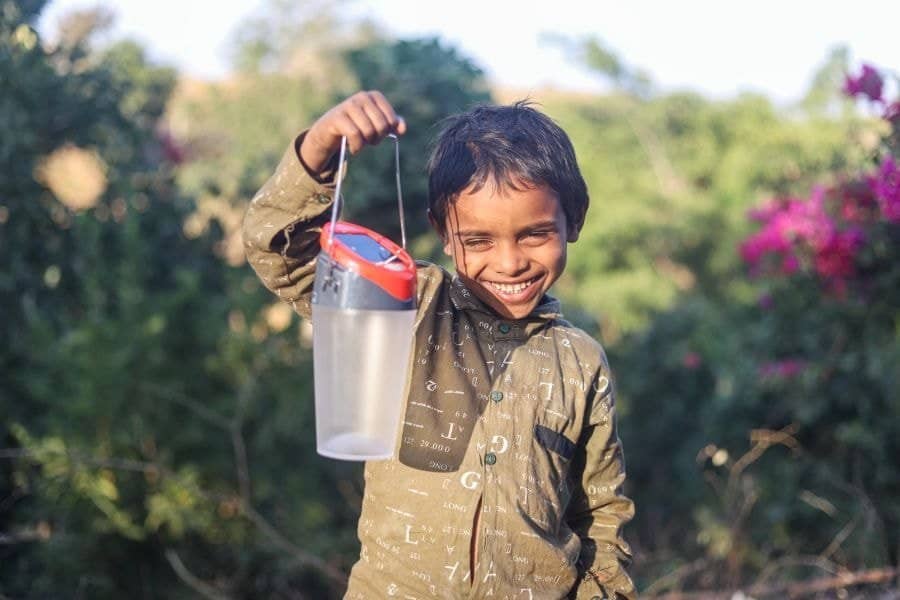
The response has been highly encouraging and heart-warming results have sometimes been achieved even within a short time. A promising model of integrating sustainable livelihoods and climate resilience is emerging. However BIWAL must find more ways of involving the entirely landless households who often constitute the poorest section in various villages. In addition some social reforms efforts such as achieving sustained reduction in the consumption of liquor and all intoxicants should also get more attention.
Disclaimer:The views and opinions expressed in this article are those of the author(s) and do not necessarily reflect the official policy or position of The Rift.
*ClimateBundelkhandClimate ResilienceLivelihoodsnatural farmingRural DevelopmentSustainable FarmingWater Conservation