Opening The Rift
therift
© 2026 The Rift. All Rights Reserved.
Childhood Obesity in India: A Silent Health Crisis
Childhood obesity is no longer confined to urban centers; it’s a growing problem across India, increasing the risk of serious health conditions and psychological effects that demand urgent attention.

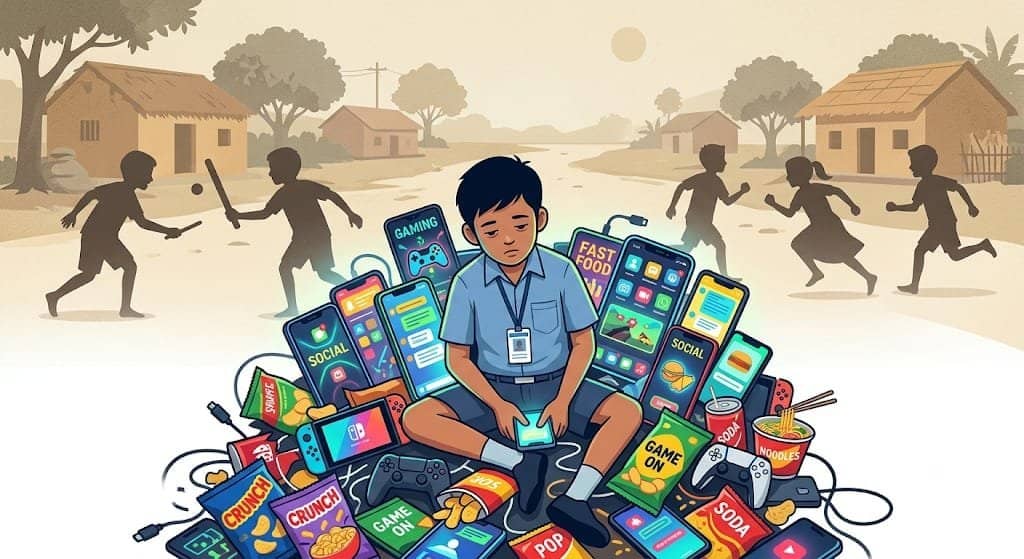
Rising obesity rates among children in India pose a significant threat to their health and wellbeing (Representative Image)
Key Takeaways
1 of 3
Automatically generated. Read full article for complete context.
Not long ago, childhood in India was closely associated with outdoor games, cycling, walking to school, climbing trees, and spending evenings at the playgrounds. Children returned home tired, dusty, and energetic after hours of physical activity. Food was largely prepared at home, and meals often consisted of fresh vegetables, pulses, grains, and seasonal fruits.
Today, the picture is changing rapidly. A child can spend several hours a day using a smartphone, watching videos, playing online games, or scrolling through social media. At the same time, processed snacks and sugary drinks have become easily available. These lifestyle changes may appear harmless at first glance, but health experts warn that they are contributing to a growing problem: childhood obesity.
The The issue is no longer confined to a few urban centres. Doctors, teachers, and parents are increasingly noticing weight-related concerns among children in towns and villages as well. What makes the situation worrying is that childhood obesity often continues into adulthood, increasing the risk of several serious health conditions later in life.
According to research published in The Lancet Child & Adolescent Health (2019), approximately 81 per cent of adolescents worldwide do not achieve the recommended levels of daily physical activity. This finding reflects a broader global trend in which young people are becoming less active than previous generations. Physical activity is not merely about maintaining weight; it is essential for healthy bones, muscles, heart function, and mental well-being.
The cause of this decline is simple to observe. Children who once spent hours outside now spend all their spare time on screens. There is no time left for games due to schoolwork, coaching lessons, and other academic obligations. Moreover, in many cases, the places where children can play have become rare.
Another important factor is the changing food environment. Modern lifestyles often encourage greater dependence on convenience foods. Processed snacks, fast foods, drinks loaded with sugar, and ready-to-eat meals have become a regular part of many children’s diets. These foods are widely advertised and easily available.
According to a 2022 study reported in the British Medical Journal (BMJ), the consumption of ultra-processed foods raises the risk of obesity and other metabolic disorders. Ultra-processed foods are characterized by a high presence of calories but lack proper nutritional value. Their constant intake and lack of exercise are among the main causes of obesity.
Evidence of the rising trend in youth obesity can be seen in various studies. According to the WHO and studies published in the \Indian Journal of Endocrinology and Metabolism\, about one in five teenagers in India is obese. Though all children are unique and statistics may not capture everything, this indicates that something needs to be done.
This issue is becoming increasingly evident in Jammu & Kashmir as well. While the National Family Health Survey (NFHS-6, 2023-24) does not include separate data for obesity among school-going children in this UT, school-based surveys in J&K have found that nearly 8% to 15% of children are overweight, and about 3% to 8% are obese. Higher figures have been reported from urban and comparatively wealthier families. According to health experts, increased screen time, dietary changes, reduced exercise, and long winters that limit outdoor activity are causing this problem.
Though many believe obesity to be simply an aesthetic problem, medical professionals have made it clear that this is far from the truth. Obesity can affect nearly every organ system in the body. For example, children with obesity are at higher risk of contracting Type 2 diabetesChronic ConditionA chronic condition that affects the way the body processes blood sugar (glucose). It is often associated with obesity and can lead to serious complications if not managed., hypertension, fatty liver disease, arthritis, and hormone-related issues. Some ailments that once affected only adults are now being seen in younger generations.
The psychological effects of being overweight cannot be ignored either. After all, childhood is when a sense of self-respect and self-confidence is developed. Overweight children can be teased by their friends or peers. This can have a serious effect on their psychological well-being, education, and overall quality of life.
Research published in JAMA (Journal of the American Medical Association) has shown that childhood obesity is associated with an increased risk of premature mortality and chronic diseases later in life. This study illustrates the necessity of preventive measures, rather than waiting for the development of serious illnesses.
It would be unfair to place the blame solely on children. The surroundings they operate in have a huge impact on their behavior. For example, advertisements for products containing excessive sugar, sodium, and fat are common. Entertainment via screen media is available round-the-clock. Children do not get time to exercise owing to hectic academic schedules. Furthermore, parents are not always able to supervise all activities of their children due to other responsibilities.
Sleep is another factor that receives less attention than it deserves. Many children stay awake late into the night using electronic devices. Insufficient sleep can affect hormones that regulate hunger and appetite, potentially encouraging overeating. Over time, poor sleep habits can become another piece of the obesity puzzle.
The positive aspect of this issue is that it is preventable. As a matter of fact, experts believe that starvation and rigorous dietary regimes are never the solution. The emphasis should rather be placed on fostering good habits that children will stick to for years to come.
Steps towards a healthier family can start small. Allowing children to go out and play, limiting screen time, and incorporating exercise into daily life can make a difference. It is easy enough for families to take a walk together after dinner, play cricket in the neighborhood, or even cycle on weekends.
Food choices also matter. Home-cooked meals prepared with fresh ingredients can provide balanced nutrition. Fruits, vegetables, pulses, whole grains, milk, eggs, and other nutrient-rich foods support healthy growth. Reducing the frequency of sugary drinks and highly processed snacks can further improve dietary quality.
School also plays a crucial role in addressing this issue. Physical education should not be treated as an optional activity, but rather as an integral part an integral part of a child’s growth process. Schools can promote physical activities, awareness programs, and healthier food environments.
According to recommendations from the Centers for Disease Control and Prevention (CDC), children and adolescents should engage in at least 60 minutes of moderate-to-vigorous physical activity every day. While this target may sound demanding, it can be achieved through a combination of sports, active play, walking, running, cycling, and other enjoyable activities.
Obesity among children is not something that can be overcome immediately. It has evolved due to changes in lifestyle, technology, and diet. Overcoming this problem requires joint efforts from parents, schools, health specialists, communities, and government officials. Most importantly, overcoming this problem demands recognition that healthy behaviors cultivated in childhood often shape health outcomes later in life.
The discussion should not be about physical appearances or body image issues. It should rather be about how to promote good health among children so that they develop into healthy adults in the future. Through proper nutrition, exercise, and good sleep habits, society can make progress in ensuring the health of the next generation.
Disclaimer:The views and opinions expressed in this article are those of the author(s) and do not necessarily reflect the official policy or position of The Rift.
*Childhood ObesityIndiaJammu & KashmirLifestyle DiseasesNutritionPhysical ActivityPublic HealthScreen Time