Opening The Rift
therift
© 2026 The Rift. All Rights Reserved.
World Indigenous Day – The First Peoples Still Await Justice
“The first peoples have protected the earth for millennia. It is civilisation that has failed them—not the other way around.”

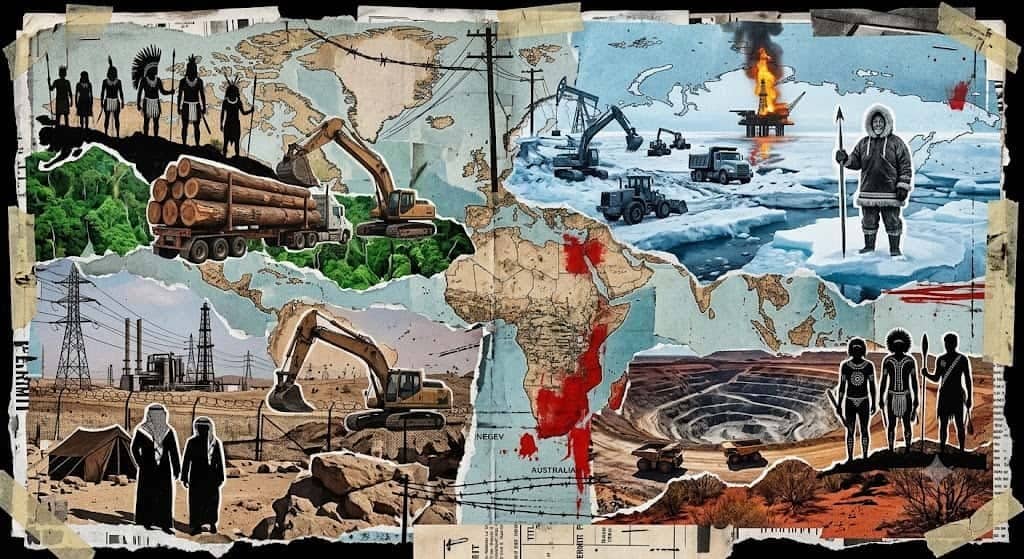
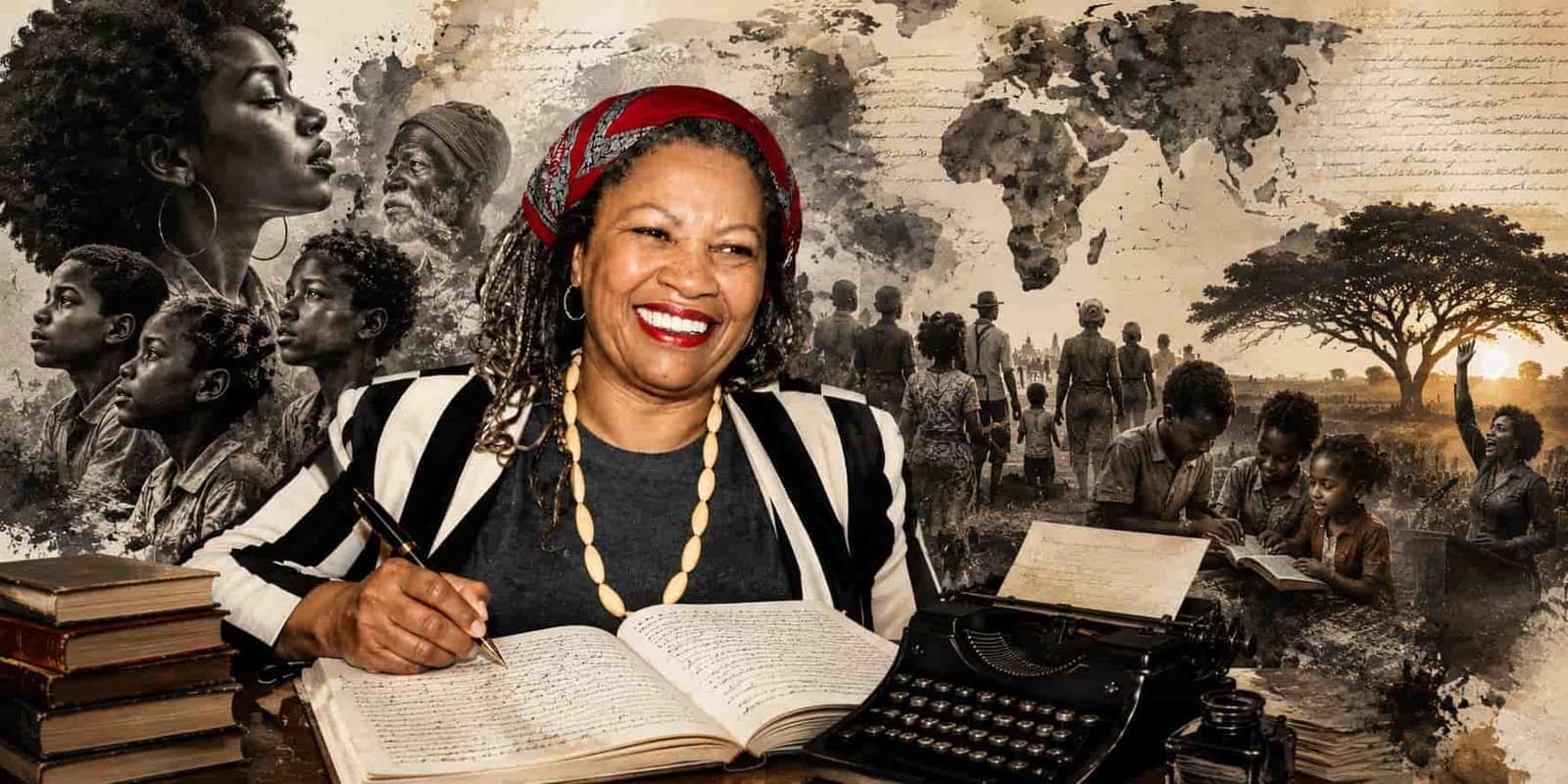
Indigenous communities continue to fight for justice and recognition on World Indigenous Day (Representative Image)
Key Takeaways
1 of 3
Automatically generated. Read full article for complete context.
Every year, on 9 August, the world marks the International Day of the World’s Indigenous Peoples. Governments issue statements celebrating diversity. International organisations organise seminars. Cultural performances are staged, traditional attire is displayed, and solemn promises are repeated.
Yet for more than 476 million Indigenous people living across over 90 countries, this annual observance often serves as a painful reminder that recognition has rarely translated into justice.
Global Indigenous Presence
476M+
Indigenous People Worldwide
90+
Countries with Indigenous Populations
VISUALS BY THE RIFT
The story of Indigenous peoples is the oldest story of humanity – and perhaps its greatest unfinished injustice.
Long before colonial powers drew borders or modern nation states came into existence, Indigenous communities nurtured forests, rivers, mountains and grasslands with an understanding that the earth was not property to be owned but a living inheritance to be protected for future generations. Their knowledge systems sustained biodiversity, preserved ecosystems and developed forms of governance rooted in consensus and community. Ironically, these very communities remain among the poorest, most marginalised and most vulnerable people on earth.
The history of colonisation was never merely about political conquest. It was fundamentally about the seizure of land. Wherever colonial flags were planted – in the Americas, Africa, Asia or Australia – the first victims were Indigenous peoples. Their territories were declared empty, their cultures dismissed as primitive, their languages suppressed and their identities systematically erased.
Centuries later, the methods have changed, but the objectives remain remarkably similar.
Today, mining corporations, hydroelectric projects, industrial agriculture, tourism, highways and urban expansion continue to displace Indigenous communities from ancestral lands. Forests are cleared in the name of development. Rivers are diverted for commercial interests. Mountains considered sacred are blasted for minerals. Entire communities are relocated with little consultation and inadequate compensation.
Development has too often become another word for dispossession.
The experiences of the Bedouin peopleNomadic Arab GroupA historically nomadic Arab ethnoreligious group, primarily inhabiting deserts across North Africa and the Middle East, known for their pastoral traditions. offer one of the starkest examples of this continuing injustice. For generations, Bedouin communities in the Negev desertArid RegionA desert region in southern Israel, home to various communities including Bedouin, and a site of ongoing land and recognition disputes. have lived as pastoral people whose relationship with the land predates the modern state. Yet many of their villages remain officially “unrecognised”, denied basic services such as electricity, running water, schools and health care. Homes built on ancestral lands face repeated demolition because they lack permits that are almost impossible to obtain. Entire communities live under the constant threat of displacement in the name of planning, conservation or development. What is presented as modernisation often amounts to the gradual erasure of an Indigenous way of life.
Across the Amazon rainforest, Indigenous defenders continue risking their lives against illegal logging and mining operations. In Canada, the discovery of unmarked graves near former residential schools exposed the devastating legacy of forced assimilation. Australia’s Aboriginal peoples continue demanding meaningful constitutional recognition alongside the return of stolen lands. Across Asia and Africa, Indigenous communities confront expanding commercial projects that threaten both their livelihoods and cultural survival.
These are not isolated injustices. They reflect a global pattern in which economic growth frequently takes precedence over human dignity.
The contradiction is striking. Scientific studies increasingly acknowledge that Indigenous-managed territories contain some of the world’s richest biodiversity and healthiest ecosystems. Communities that have contributed least to environmental destruction are often the most effective custodians of nature. Their understanding of forests, wildlife, water systems and sustainable agriculture has been refined over centuries through lived experience rather than academic theory.
Yet they are frequently excluded from decisions affecting their own lands.
Climate change has further intensified these inequalities. Rising sea levels threaten Indigenous island communities. Melting Arctic ice disrupts traditional livelihoods. Changing rainfall patterns undermine farming and pastoral systems that have existed for generations. Extreme weather destroys fragile ecosystems on which Indigenous cultures depend. Once again, those least responsible for the environmental crisis bear its harshest consequences.
Their struggle is therefore not only about identity. It is also about environmental justice.
International law has advanced significantly. The United Nations Declaration on the Rights of Indigenous PeoplesInternational Human Rights InstrumentA non-legally binding resolution adopted by the UN General Assembly in 2007, affirming the collective and individual rights of Indigenous peoples, including rights to self-determination, land, and culture. affirms the rights of Indigenous peoples to self-determination, cultural preservation and free, prior and informed consent before projects affecting their territories are undertaken. It established an important moral and legal framework.
Unfortunately, implementation remains painfully uneven.
Many governments invoke Indigenous heritage during national celebrations while ignoring Indigenous voices when economic interests are at stake. Consultation often becomes a procedural exercise rather than genuine participation. Courts may recognise Indigenous rights, yet bureaucracies delay implementation. Constitutional promises frequently remain trapped on paper while communities continue losing land, livelihoods and languages.
For Indigenous peoples, justice is not simply about compensation for historical wrongs. It is about restoring dignity, protecting ancestral territories, safeguarding languages, preserving spiritual traditions and recognising their right to determine their own future. It is about acknowledging that Indigenous knowledge is not an obstacle to development but an indispensable resource for building more sustainable societies.
The world faces unprecedented ecological crises, growing inequality and deepening social fragmentation. Ironically, many of the solutions now being sought—respect for nature, community stewardship, sustainable living and collective responsibility—have long been embedded in Indigenous cultures. Humanity has much to learn from peoples it has too often sought to silence.
World Indigenous Day should therefore be more than a symbolic observance. It should be a day of political accountability. Governments must move beyond commemorative speeches and honour treaties, secure land rights, protect Indigenous human rights defenders and ensure that development proceeds only with the free, prior and informed consent of Indigenous communities.
Justice delayed has already become justice denied for far too many.
As long as the world’s first peoples continue to be displaced from the lands that shaped their identity, humanity cannot honestly claim to have embraced equality or human rights. The measure of civilisation is not how it celebrates Indigenous cultures once a year, but whether it allows Indigenous peoples to live with dignity on the lands that have always been their home.
World Indigenous Day should therefore be a call to conscience. No more commemorative speeches and honour treaties. There must be land rights, and development proceeds only with the free, prior and informed consent of Indigenous communities
The cry of Indigenous peoples echoes far beyond forests, deserts and mountains and from communities uprooted from ancestral lands, and when identity is erased in the name of power. The indigenous cannot be asked to bear the cost of another’s prosperity. Indigenous struggle speaks to our own troubled age—from the Amazon to the Negev, from the Arctic to Palestine. Until the world’s first peoples can live in freedom, security and dignity on the lands that have shaped them for generations, our celebration of human rights will remain incomplete, and our commitment to justice unfinished.
Until that happens, World Indigenous Day will remain less a celebration than a solemn reminder that the first peoples of the earth are still waiting for justice.
Disclaimer:The views and opinions expressed in this article are those of the author(s) and do not necessarily reflect the official policy or position of The Rift.
*Indigenous RightsAmazonBedouinClimate ChangeDecolonizationEnvironmental JusticeHuman RightsLand Rights