Opening The Rift
therift
© 2026 The Rift. All Rights Reserved.
While some educational reforms are making headlines, others are still neglected
It is this wider reform which is probably the most important and yet has been badly neglected.

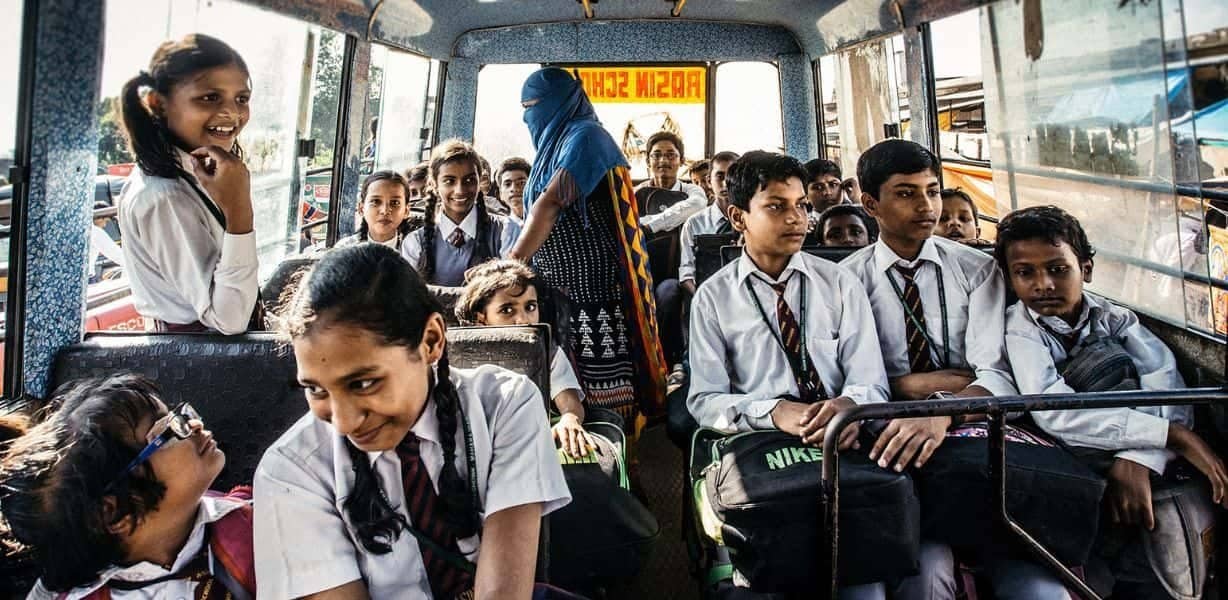
(Representative Image)
Key Takeaways
1 of 3
“In the course of this protest, the issue of much-needed educational reforms was very much in the news, and one hopes that these certainly needed reforms will continue to receive attention.”
Automatically generated. Read full article for complete context.
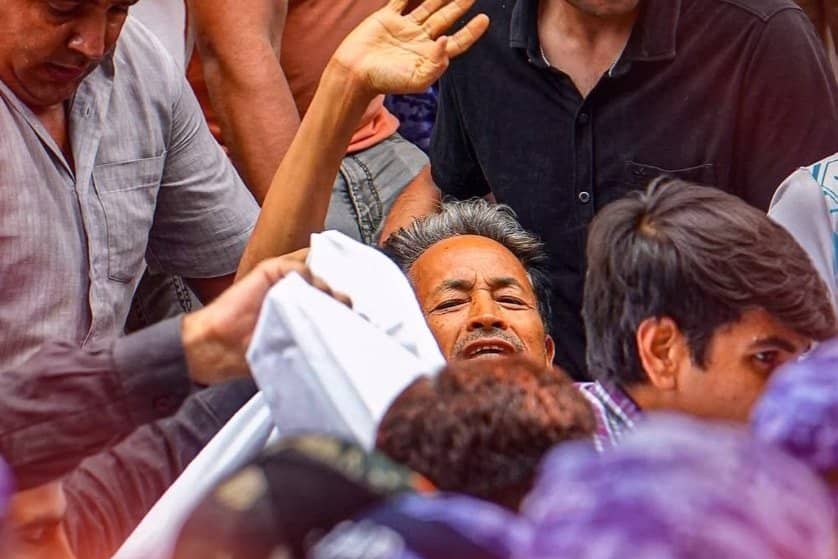
It is great that the Jantar Mantar protest or the Cockroach Janta Party (CJP) protest could end on a note that sent thousands of protesters back in celebration and brought joy as well as relief to millions of supporters and sympathizers. Another great source of relief for a large number of admirers was the conclusion of the fast by educationist, innovator, and activist Sonam Wangchuk could end after receiving several assurances from senior government representatives.
In the course of this protest, the issue of much-needed educational reforms was very much in the news, and one hopes that these certainly needed reforms will continue to receive attention. It is hoped that this is true not just for the reforms highlighted by this movement but also for other reforms of great value which could not get the desired attention.
The reform which was emphasized the most and in fact started it all relates to the pressing need for improving the conduct of examinations and more specifically for preventing the possibility of leak of examination question papers. While the most immediate anger related to the leak of medical entrance exam, or NEET, papers this year had affected millions of hard-working students and family members, frustration had been building up over the years due to several leaks in the conduct of various exams. papers this year which had affected millions of hard-working students and family members, the anger had been building up over the years due to several leaks in the conduct of various exams. According to an investigation by a leading Hindi newspaper Dainik BhaskarIndian Hindi NewspaperOne of India’s largest circulated Hindi-language daily newspapers. (July 26, 2026), as many as 116 paper leaks are reported to have taken place during the period 2014-26 affecting 75 million (7.5 crore) examinees. The newspaper investigation states that ‘paper mafias’ operating across 19 states were involved in these leaks. Eight recruitment exams, including those for the selection of scientists, had to be cancelled and then re-held. Recruitment for approximately 3 lakh (0.3 million) government jobs was delayed due to these paper leaks and the related complications.
Keeping in view the accumulating anger and frustration over this issue, it is not surprising that this got the biggest headlines and the government announced a package of what appeared to many to be strong steps for reforming the conduct of examinations and more particularly for preventing paper leaks.
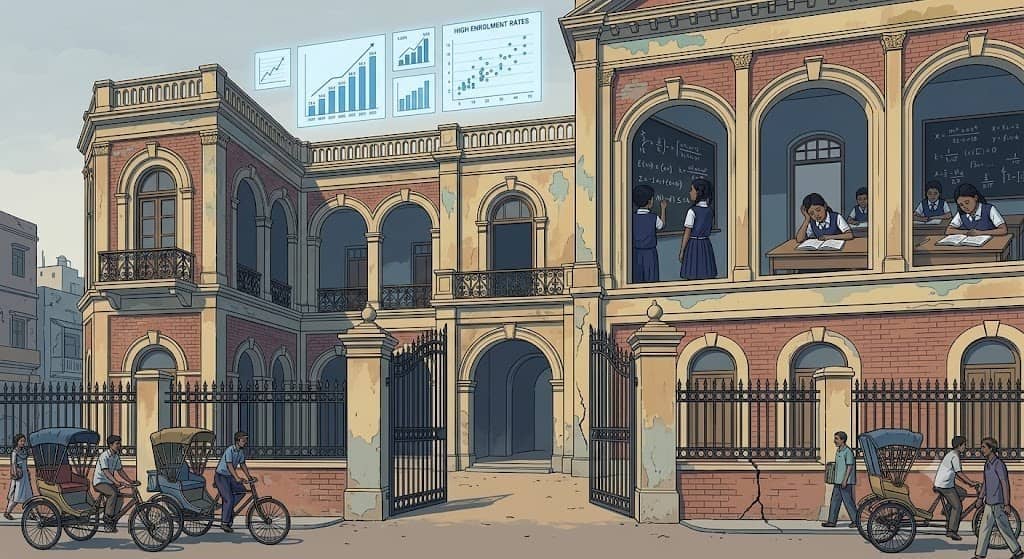
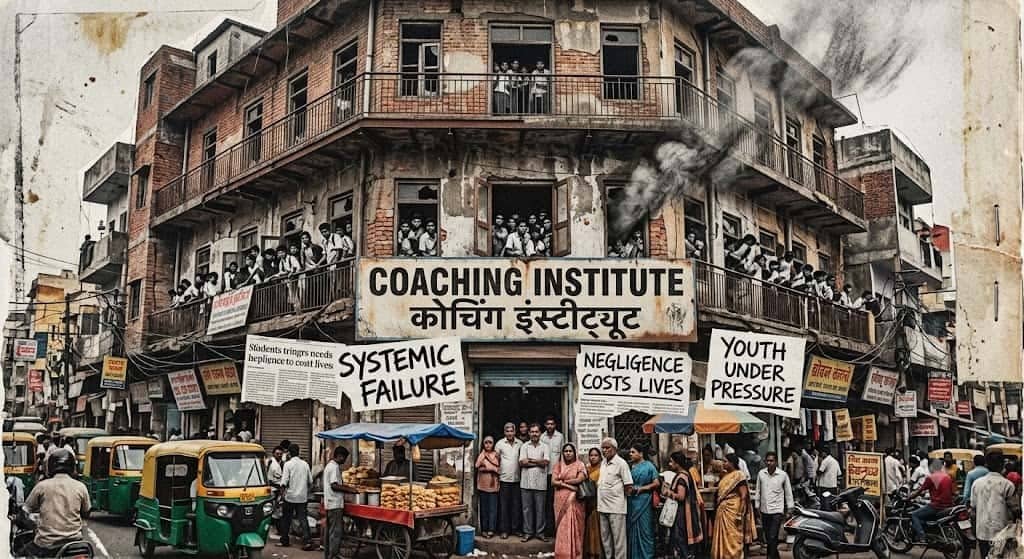
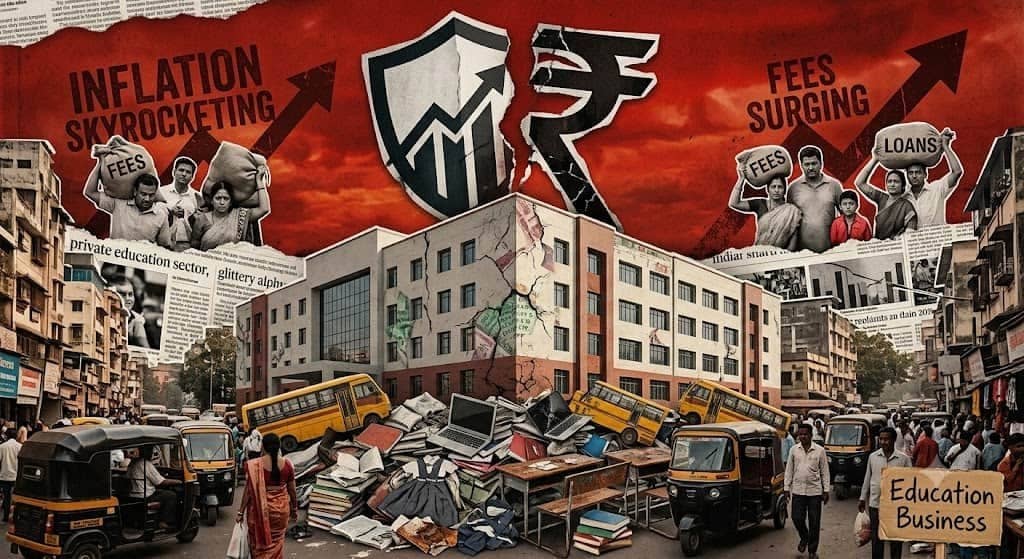
However, some argue that while preventing paper leaks is crucial, it is equally important to emphasize the broader issue of reforming the entire examination system, and indeed the entire educational system, in a comprehensive way. This view aligns with the 10-point ‘structural reforms’ proposed by Sonam Wangchuk, which were articulated effectively by his wife and fellow-activist Gitanjali Angmo during his fast. In my article published during the ongoing protest, where I had appealed to the activist to give up his fast, I argued for the centrality of these wider educational reforms, rather than solely emphasizing a resignation or related issues. These reforms include reform of the examination system, moving from rote-based learning and memorization to more creative education and memorization to more creative education, dismantling coaching culture, better training for teachers and greater respect for them, more emphasis on improving government schools, allocation of more resources and higher budgets for education, filling up vacancies, better integration of education with society’s needs, increased transparency, and creating consensus on reforms so that these can continue regardless of election cycles.
Hardly anyone involved with educational reforms will disagree with these suggestions. However, some important additions need to be incorporated so that educational reform can link up even better with the most pressing needs of society. The most pressing needs of society, not just in India but in the entire world, are to evolve a path based on justice and equality, peace and non-violence, protection of the environment and all forms of life, as well as increasing thoughtfulness and togetherness. This is best realized on the basis of value systems linked to these objectives and the incorporation of these precepts and values in the education system at various levels. Further, the education system should guide growing children and youth to creatively realize, without instilling fear or pessimism, the seriousness of planetary threats and how we all need to be more responsible, creative, and united to contribute to innovative solutions.
It is this wider reform which is probably the most important and yet has been badly neglected.
As Generation Z has garnered more attention in the context of educational reforms, issues relating to younger children have not received the same focus. It is crucial to raise their issues, as they often suffer in silence while being overburdened, bullied, or subjected to entirely avoidable stress at a tender age.
Disclaimer:The views and opinions expressed in this article are those of the author(s) and do not necessarily reflect the official policy or position of The Rift.