Opening The Rift
therift
© 2026 The Rift. All Rights Reserved.
India’s Path Forward: Unity, Justice, Peace, and Environmental Protection
India must adopt a policy framework based on justice, equality, peace, and environmental protection to minimize distress for current and future generations.

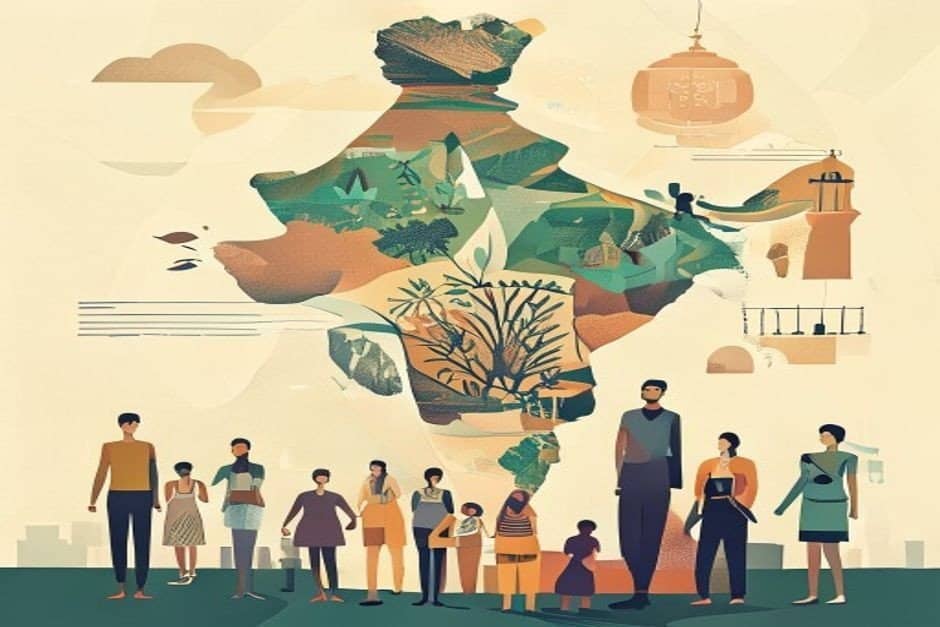
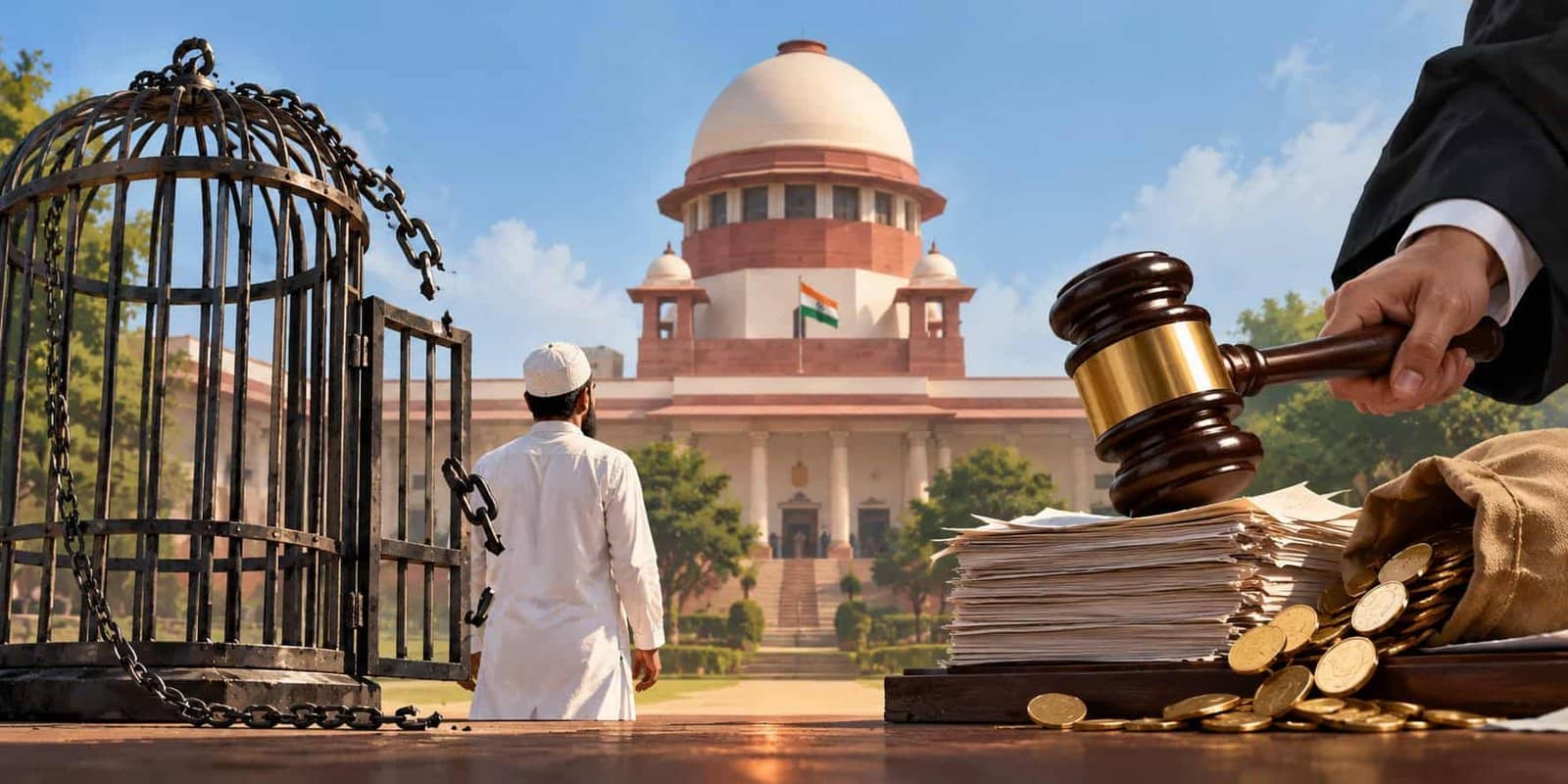
India’s vision for a unified and sustainable future, with a focus on justice, peace, and environmental protection (Representative Image)
Key Takeaways
1 of 3
Automatically generated. Read full article for complete context.
While there is a lot of debate on India’s policy choices, the essence of India’s desirable policy framework is very clear. India should strive to minimize distress now and for future generations. For this, it should adopt a path based on justice and equality, peace and non-violence, environmental protection and all forms of life. Furthermore, this should be integrated with the most important needs of the world, particularly those for protecting life and life-nurturing conditions of the planet and, more immediately, ensuring better response to the most pressing humanitarian crisis situations.
While this path has always been important for India, its urgency has increased further at both domestic and global levels in times of climate change, increasing wars and other aspects of existential crisisExistential CrisisA moment or period in which a person or group questions the meaning, purpose, or value of life or existence. In a global context, it refers to threats that could lead to the collapse of civilization or human extinction.. The world is passing through extremely difficult and high-risk times when it has become perhaps more significant than ever before for all countries to be very careful regarding the policy framework they adopt. While this is true for all countries, in terms of reducing distress and problems of most people as well as having a protective impact on the entire world, this responsibility of having a very carefully crafted mix of policies is perhaps the most important for India, the country with the largest population and and one that has a significant impact on other developing countries. Whether India adopts the most appropriate policies or not during these critical times will not only have a huge impact on the people of India and the next generations here, additionally, this will also have an important impact on the prospects of the entire world for seeking a more protective and safer future.
India has between 17 and 18 per cent of the world’s population but just about 3 per cent of the world’s land area, about 4 per cent of the world’s freshwater resources and less than one percent of the world’s known crude oil and natural gas stocks. This single sentence should give us an idea of how careful India should be in its policy framework. We are a nation that just cannot afford to make serious mistakes, particularly in these difficult times.
India’s Resource-Population Imbalance
17-18%
World Population
~3%
World Land Area
~4%
World Freshwater
<1%
Crude Oil & Gas Stocks
VISUALS BY THE RIFT
India has been the birthplace of several great religions and spiritual movements. Later, the freedom movement of India was also a highly inspiring time of great struggles led by such valiant leaders as Badshah Khan, Mahatma Gandhi, Shahid Bhagat Singh and Jhansi Ki Rani Lakshmibai, accompanied by great social reform efforts led by Baba Ambedkar, Mahatma Gandhi, Savitri Phule and others. India should draw courage from all this to protect the heritage of unity and equality of all people.
Before colonial rule India was at the forefront of development in several areas and a rich legacy of traditional wisdom in important areas like water conservation and protection of seeds, forests and biodiversity, farming and crafts is available to us. We should be able to learn from these strengths and achievements. At the same time, we should be willing to get rid of the burden of all harmful and unjust traditions. We should have scientific attitudes but be very cautious about the indiscriminate use of technologies by big business interests and multinational companies.
Earlier, nearly two hundred years of colonial rule bled India very badly to support industrialization and luxuries of others. India was plundered and exploited ruthlessly to provide resources and markets for colonial rulers. Apart from the mass distress it caused, it has also left behind a legacy of neo-colonialismNeo-colonialismThe practice of using economic, political, cultural, or other non-military means to influence or control other countries, especially former colonies. which influences the behavior of people in multifaceted ways and prevents them from realizing their true potential. A cultural renaissance is needed for the people of India to realize the richness of their own culture based on unity and harmony of all people, instead of being overwhelmed by harmful alien influences. Ultimately, the brotherhood and sisterhood of all people of the world is the most important truth and we must learn from inspirational persons and experiences from all over the world. However, given the harsh realities of the world, caution against imperialism and neo-colonialism is needed; we cannot forget how many countries like Iraq, Afghanistan, Libya, Syria etc. (and earlier, several more like Vietnam) have been destroyed, how Iran-Iraq war was instigated, how the more recent attack on Iran was preceded by maximum efforts to divide the country, how many great leaders like Lumumba and Allende have been killed and how many democratic governments have been toppled, inflicting mass distress on people. So we should be cautious and protect our own unity, so that outside forces have fewer chances of harming us. The more united we remain on the basis of justice and equality of all, the fewer the chances that outside forces will be able to weaken us. Hence, I have been arguing that in vulnerable developing countries like India, in the practice of competitive democracy the relations of the ruling and the opposition parties should not become too strained and hostile. Just look at how harmful this has been in the neighboring countries of Pakistan and Bangladesh, where forces of imperialism got a chance to oust more independent leaders with the widest base among people like Imran Khan and Sheikh Hasina, so that the situation in the two countries worsened. On the other hand, the results of too much hostility within countries can also be seen in even worse forms in countries like Sudan and Somalia where this led to civil wars and secession. Earlier, in undivided Pakistan, this led to civil war, secession and a most horrible genocide. So please have as much competitive democracy as you want, but then take care to not allow hostilities to increase too much and please do not allow the forces of imperialism, or other big foreign powers like China, to take undue advantage.
Several development paths are available to India. The path adopted by India must be based on the four key precepts of justice, peace, environmental protection and all forms of life. Of course various political parties and scholars may come up with their own version of this, but we need to keep emphasizing that these three precepts must be at the center of our thinking and then we can have a debate on the details of this and what is most suitable for our conditions and for our times. India’s path, and the path of its cities and villages, must be based on bringing together these key precepts in such mutually consistent ways that these can be taken forward without being disruptive in any way.
Secondly, the unity of all people of India, people of all religions, faiths, sects, castes, ethnicities etc., should be the foundation of the strength of the country—a unity based on eliminating all forms of discrimination, providing equality of opportunity to all people, respecting the dignity of all people and providing equal protections to all people.
Thirdly, India should accept its responsibilities in contributing to creating a world based on peace, protection of environment and justice and must strive to contribute as much as possible within various practical constraints for this, while protecting essential national interests.
Fourthly, India deserves a leadership role in protecting the concerns of the Global SouthGlobal SouthA term used to refer to countries often characterized by lower income, higher inequality, and historical or ongoing experiences with colonialism, primarily located in Africa, Latin America, and developing Asia. and should take this forward in various ways. India should find a more important role in improving the international efforts for humanitarian aid.
Fifth, inequalities and monopolization trends in the economy should be checked, while meeting the basic needs of all people in sustainable ways should receive high priority.
Lastly, in keeping with emerging critical needs and priorities, India should identify some key areas where the people can contribute significantly, and make a special effort to excel in these areas. India’s villagers and farmers can be mobilized to create fossil-fuel-free villages in such ways that the sustainable livelihoods of people are also improved and strengthened. India can emerge as a main center for growing healthy, non-GM (genetically modified) food using natural farming methods. There are several other such examples of great possibilities that are beneficial for us and can also create very inspiring models for the greater part of the world.
Disclaimer:The views and opinions expressed in this article are those of the author(s) and do not necessarily reflect the official policy or position of The Rift.