Opening The Rift
therift
© 2026 The Rift. All Rights Reserved.
Two Anti-Mining Activists Arrested in Kantamal Case, Raising Due Process Concerns
The arrests of anti-mining activists in Odisha raise serious due process concerns, reflecting a broader pattern of criminalizing dissent against community rights defenders.
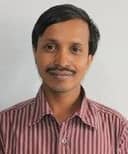
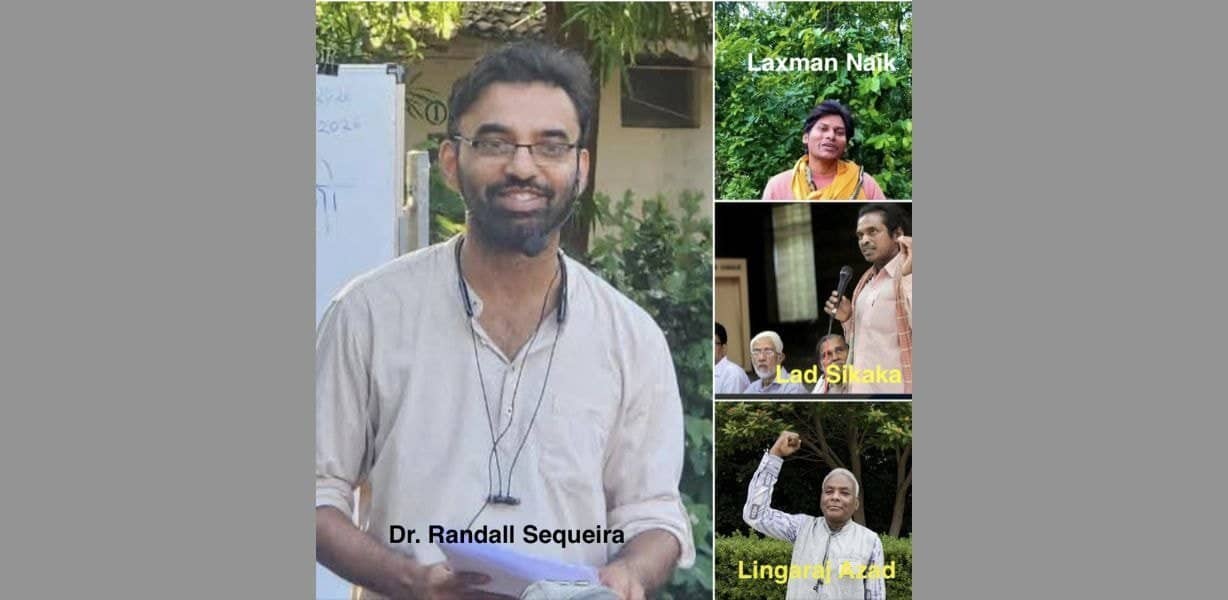
Dr. Randall, an anti-mining activist whose arrest in the Kantamal case has raised due process concerns.
Key Takeaways
1 of 3
Automatically generated. Read full article for complete context.
Odisha, Bhubaneswar: Two activists working with AdivasiIndigenous CommunitiesRefers to the indigenous tribal communities of India, often residing in forest and hilly regions, with distinct cultures and traditional rights. and DalitScheduled CastesCommunities formerly considered ‘untouchable’ in the Hindu caste system, now officially recognized as Scheduled Castes under the Indian Constitution. communities in southern Odisha, Dr. Randall Sequeira and Laxman Naik, were arrested in Bhawanipatna on the night of October 16 in connection with a case relating to the April 6–7 incidents in Kantamal village, Rayagada district. Their arrests have raised concerns over compliance with arrest procedures, access to legal assistance, and the handling of criminal cases linked to protests against mining activities in the region.
According to accounts provided by activists, police personnel arrived at Dr. Sequeira’s residence in Hill Town, Bhawanipatna, at around 10:45 p.m. to 11p.m. in two jeeps. They allegedly entered the residence, took away the activists’ mobile phones and escorted both men to the Town Police Station. The police reportedly did not explain the grounds for the arrests or produce a warrant or written notice at the time.
Both activists were allegedly detained overnight without access to their lawyers or family members. Their whereabouts reportedly remained unknown from around 6 a.m. on October 17 until they were produced before the Sub-Divisional Judicial Magistrate (SDJM) in Rayagada at approximately 6:30 p.m. that evening.
Activists Booked Under Multiple Criminal Charges
Dr. Randall Sequeira is a medical doctor with postgraduate qualifications in General Medicine who has worked with Adivasi communities in Kalahandi and Rayagada districts. He is associated with Medico Friends Circle and Jan Swasthya Abhiyan.
Laxman Naik is a Dalit activist associated with the Maa Mati Mali Surakhya Manch and Samajwadi Jan Parishad. He also works as a martial arts trainer in Rayagada district.
The arrests were made in connection with Kashipur Police Station Case No. 85/2026, relating to incidents in Kantamal village during the intervening night of April 6 and 7, 2026. According to accounts of the incident, a large contingent of police personnel entered the village amid protests and peaceful opposition to official prohibitory orders. The operation allegedly involved lathi charges, the firing of shots, stone-pelting and the use of tear gas, resulting in injuries to both villagers and police personnel.
The two activists have reportedly been booked under multiple provisions of the Bharatiya Nyaya Sanhita (BNS), including Section 109(1), relating to attempted murder; Sections 191(2) and 191(3), concerning rioting; Section 310(2), relating to Dacoity; and Section 351(3), concerning criminal intimidation. Other provisions reportedly invoked include Sections 126(1), 127(2), 132, 121(2), 296 and 190 of the BNS, along with Section 27 of the Arms Act.
Neither Sequeira nor Naik is reportedly named in the first information report (FIR) in Case No. 85/2026. Their arrest in connection with the case has consequently raised questions about the grounds for the police action and the basis on which the two activists were implicated.
Questions Over Arrest Procedures and Detention
Further concerns have emerged over the documentation of the arrests, the activists’ treatment in custody and the communication of information to their families.
An intimation notice reportedly delivered to Dr. Sequeira’s residence on the afternoon of October 17 recorded his arrest as having taken place at 10 a.m. The notice allegedly made no reference to the reported overnight detention or the subsequent transfer to Rayagada district.
In Naik’s case, his family reportedly did not receive a copy of an arrest notice under Section 48 of the Bharatiya Nagarik Suraksha Sanhita (BNSS). His whereabouts and the grounds for his detention were allegedly not communicated to his family before he was produced in court.
According to the account provided by activists, the two men were moved from Bhawanipatna at around 6 a.m. on October 17 without being informed of the charges against them or their destination. Their mobile phones were allegedly seized without the issuance of seizure memos.
During the court proceedings, Dr. Sequeira reportedly attempted to describe the alleged mistreatment and circumstances of their detention. However, according to the account, his statement was not recorded.
Concerns have also been raised about the integrity of the seized mobile phones, including the possibility of tampering and the subsequent use of digital material as evidence.
Both activists have since been remanded to Rayagada Sub Jail.
The circumstances surrounding the arrests of Dr. Randall Sequeira and Laxman Naik—including the alleged procedural irregularities, the seizure and handling of their mobile phones, and the reported failure to record complaints concerning their treatment—require clarification from the authorities. A transparent and impartial examination of these allegations is necessary to establish the facts, uphold Due Process and address concerns about the treatment of those defending community rights and opposing mining projects.
Three FIRs Linked to the April Incident
The arrests have renewed scrutiny of three FIRs—Case Nos. 85, 86 and 87 of 2026—reportedly registered in connection with the Kantamal incident.
Dr. Sequeira had previously obtained Anticipatory Bail in Case No. 87/2026, dated April 7, in which he was named. His subsequent arrest in connection with Case No. 85/2026, reportedly arising from the same broader episode, has prompted further questions about the relationship between the cases and the legal basis for the latest action.
Meanwhile, complaints reportedly submitted by Kantamal villagers since May 2026 concerning alleged police excesses have yet to result in action or an investigation, according to activists.
The developments also bring renewed attention to an earlier report by the same author, titled “Dissection of Sijimali Violence: Who Is Accountable and What Official Records Say,” published in Countercurrents on June 4, 2026.
Drawing on official records, the report examined the April 6–7 police operation in Kantamal, the registration of multiple FIRs—including Case Nos. 85, 86 and 87 of 2026—and questions of police accountability. It also discussed Dr. Sequeira’s implication in Case No. 87/2026 and the wider context of resistance to the Sijimali bauxite mining project.
The latest arrests, particularly Dr. Sequeira’s arrest in connection with Case No. 85/2026, have brought these questions back into focus, highlighting concerns over due process, the handling of criminal proceedings and accountability for alleged police excesses.
Mining, Land Rights and Community Resistance
Adivasi and Dalit communities in southern Odisha continue to oppose mining and industrialisation projects that they say threaten their land, forests, water resources, livelihoods and cultural identity. The Adibasi and Dalits and their community leaders, including activists those opposing the mining projects have raised concerns about displacement, environmental damage and the erosion of community rights.
The recent arrests have intensified fears that criminal proceedings are being used to discourage protests and suppress resistance to mining projects. Critics view these developments as state repression against those defending their jal, jangal aur jameen (water, forests and land), raising questions about whether corporate interests are being prioritised over the rights and livelihoods of local communities.
The developments underscore the need for transparent arrest procedures, timely access to legal counsel and independent investigations into allegations of police misconduct to safeguard democratic rights and ensure accountability.
Multiple Criminal Cases Against Community Leaders and Questions Over Corporate Interests
According to noted human rights activist and advocate Biswapriya Kanungo, the arrests of Dr. Randall Sequeira and Laxman Naik should not be viewed in isolation but in the broader context of criminalising the movement of tribals, Dalits, other local people against Mining projects in the scheduled areas of the state. He added that Activist and Samajwadi Jana Parishad leader Lingaraj Azad faces around a dozen cases, including allegations of extortion and attempted murder. Hiramal Nayak faces multiple criminal cases, while Dangaria leader Lad Sikaka, a prominent leader of the Niyamgiri movement, faces around 15 cases, including charges under the Unlawful Activities (Prevention) Act (UAPA) and allegations of waging war against the Government of India. Lingaraj Azad has reportedly been in judicial custody for seven months. Subsequently, Lad Sikaka, and Hiramal Nayak, were also arrested and sent to jail.
ACTIVISTS FACING CRIMINAL CASES
Prominent Activists and Number of Cases
~12
Cases against Lingaraj Azad
Leader~15
Cases against Lad Sikaka
UAPA ChargesMultiple
Cases against Hiramal Nayak
ActivistVISUALS BY THE RIFT
Kanungo points to what he describes as a wider pattern of state action against anti-mining movements, citing the police operation in Talambapadar, the midnight police violence in Kantamal and establishment of a police camp in Kantamal under a plea of providing protection to two families, and the arrest of activist Narangi Dei Majhi from hospital premises in Rayagada while she was accompanying her pregnant daughter-in-law for medical admission. These incidents reflect a pattern of using criminal statutes targeting the people and activists resisting mining projects.
It has also raised concern over reports that, following Lad Sikaka’s arrest, Vedanta chairman Anil Agarwal met the Odisha Chief Minister and was reportedly assured that efforts would be made to revive the Niyamgiri bauxite mining project. The local Gram Sabhas rejected the proposed mining project in 2013 following the Supreme Court of India’s landmark judgment on the issue. The wider Kalahandi–Rayagada region encompasses proposed or contested bauxite mining projects at Sijimali (Tijimali), Kutrumali, Karlapat (Khandual Mali) and Niyamgiri, involving corporate interests associated with , Adani, Ambani and other industrial groups. The pattern of criminal cases, police violence, arrests, and judicial insensitivity appears to be an undemocratic state policy of development in the interest of corporate interests at the expense of Adivasi and Dalit communities’ rights to their land, forests, water, and livelihoods — Kanungo argues.
Public Protests Demand Justice, Release of Activists and Protection of Adivasi Rights
Even before the arrests of Dr. Randall Sequeira and Laxman Naik, protests and public conventions had brought together political leaders, environmentalists, human rights activists, journalists, lawyers, social workers and representatives of various people’s organisations to demand the unconditional release of other detained activists. They had also called for the effective implementation of the Panchayats (Extension to Scheduled Areas) Act (PESA) and the Forest Rights Act (FRA) to safeguard Adivasi and Dalit communities’ rights over their land and natural resources.
The latest arrests have intensified concerns over the treatment of community leaders and activists resisting mining projects and defending the rights of Adivasi and Dalit communities to their jal, jangal aur jameen—water, forests and land.
Concerned Citizens Committee, Odisha, Condemns Continued State Repression of Adivasi and Dalit Communities
In a statement issued on October 18, 2026, the Concerned Citizens Committee, Odisha, represented by Prof. Swadhin Pattnaik, Krishna Mohanty, Prafulla Samantara, Prof. Sumitra Patel, Ranjana Padhi, Deba Prasad Ray, Advocate Biswapriya Kanungo, Dr. Biswajit, Saranya, Srikanta Mohanty, Debaranjan, Pramodini Pradhan, Srimant Mohanty, Nigamananda Sarangi, Sidharth Kar, Prakash Kumar Samantsinghar, Narendra Mohanty and others, condemned what it described as continuing state repression against Adivasi and Dalit communities resisting mining projects in the Tijmali and surrounding hill regions of southern Odisha. The committee alleged that criminal cases against community leaders and activists were being used to undermine popular resistance to the dispossession of local communities and protect corporate interests in the region’s natural resources. It also criticised the reported lack of action on complaints filed by Kantamal villagers concerning the April 6–7 incident and called for the withdrawal of criminal cases against people fighting to protect their jal, jangal aur jameen (water, forests and land). Appealing to democratic and progressive organisations, people’s movements and concerned individuals to extend solidarity, the committee emphasised that the arrests must be understood in the broader context of the struggle for Adivasi and Dalit rights, environmental protection and community control over natural resources.
Disclaimer:The views and opinions expressed in this article are those of the author(s) and do not necessarily reflect the official policy or position of The Rift.
*Human RightsAdivasi RightsAnti-Mining ProtestsDalit RightsDue ProcessEnvironmental JusticeOdishaPolice Accountability