Opening The Rift
therift
© 2026 The Rift. All Rights Reserved.
Odisha Kidney Care Under Scrutiny: JSA and Kidney Transplant Association Seek Independent Probe into SCB Medical College.
Organisations demand an independent, impartial, and time-bound inquiry into complaints concerning SCB Medical College’s Nephrology Department.

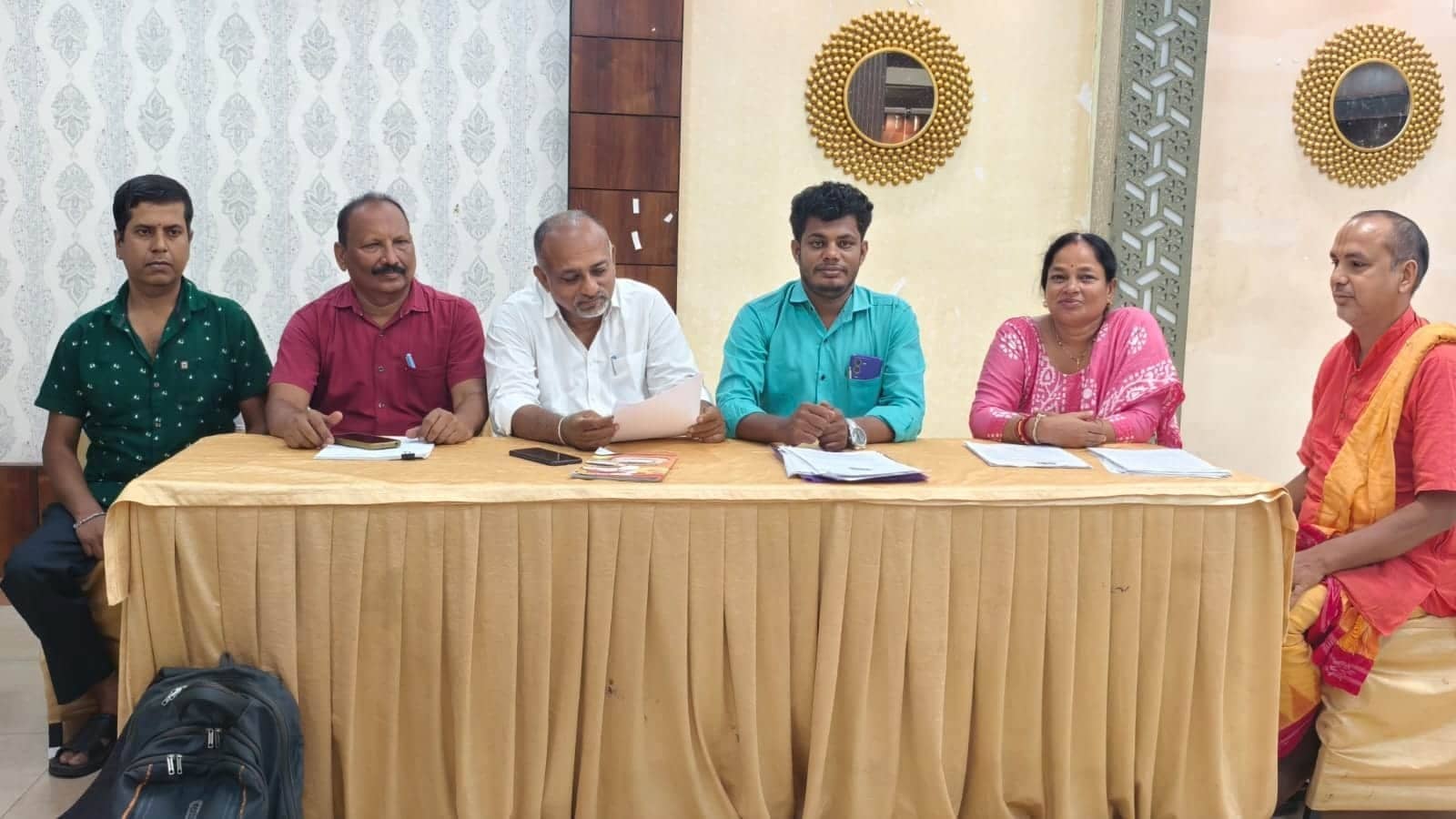
An independent probe is sought into kidney care practices at SCB Medical College in Odisha.
Key Takeaways
1 of 3
Automatically generated. Read full article for complete context.
Bhubaneswar, Odisha: The Jana Swasthya Abhiyan (JSA), Odisha, and the Kidney Transplant Association of Odisha have raised serious concerns over kidney patient care, transplant management and post-transplant treatment at SCB Medical College and Hospital, Cuttack. In a press release issued on September 30, 2026. The organisations demanded an independent, impartial and time-bound inquiry into complaints concerning the hospital’s Nephrology Department.
In a joint statement, the organisations cited complaints reportedly received from kidney patients, their families and persons associated with the department. The concerns relate to specialist manpower shortages, treatment practices, access to medicines, patient referrals, professional conduct and the functioning of the department.
The organisations stressed that the allegations must be independently verified, and no individual should be held responsible without a fair investigation and due process.
Specialist Shortage Raises Concerns
According to the organisations, the Nephrology Department has sanctioned posts for three Professors, one Associate Professor and three Assistant Professors. They allege that the Professor posts have remained vacant since 2023, leading to an inadequate number of senior specialists.
The organisations said kidney transplantation and post-transplant care require continuous supervision by experienced nephrologists and coordinated support from multidisciplinary medical teams. They urged the Odisha Government to fill all sanctioned posts and ensure round-the-clock specialist services for transplant recipients and critically ill patients.
Questions Over DM Nephrology Training
Concerns have also been raised regarding issues reportedly flagged by the National Medical Commission (NMC) regarding faculty availability and the continuation or renewal of recognition for the DM (Nephrology) programme at SCB Medical College and Hospital.
The organisations warned that shortages of senior faculty could affect not only patient care but also the quality of postgraduate and super-speciality medical education. They called for adequate staffing and infrastructure to maintain academic activities in accordance with applicable regulatory standards.
Demand for Medical Audit of Transplant Cases and Deaths
The two organisations referred to information obtained through the Right to Information (RTI) process and other documents concerning kidney transplant procedures, deaths among transplant recipients and the availability of post-transplant medicines.
They have also raised allegations regarding the possible use of prohibited, unauthorised, or inappropriate medicines in the treatment of certain transplant patients. They demanded an independent medical investigation to establish whether such medicines were used, whether their use was authorised and medically justified, and whether any connection existed between the treatment and adverse patient outcomes.
The organisations emphasised that allegations concerning patient deaths should not be treated as established facts without a proper medical assessment. They called for a comprehensive audit of transplant records, prescribed medicines, treatment protocols, complications, follow-up care and documented causes of death.
Complaints Over Private Referrals and Patient Treatment
The Kidney Transplant Association of Odisha has reportedly received complaints from patients and families concerning communication with medical staff, alleged inappropriate behaviour and referrals to private healthcare facilities.
One of the issues highlighted concerns kidney biopsy services. The organisations allege that some patients were referred to private laboratories for the procedure at their own expense despite the reported availability of biopsy facilities at SCB.
They have sought an examination of these complaints through hospital records, patient statements and relevant administrative documents. They also urged the authorities to investigate allegations that patients were encouraged or pressured to seek treatment outside the public hospital.
The organisations said a transparent grievance-redressal system should be established to enable patients and their families to report concerns without fear of intimidation or discrimination.
Complaints Involving Students and Departmental Functioning
The organisations have also referred to complaints reportedly raised by some DM students regarding the professional environment and conduct within the department.
They demanded an impartial examination of these complaints, along with the disclosure of relevant findings from inquiries reportedly conducted by competent authorities, including the Internal Complaints Committee (ICC), subject to applicable legal and privacy requirements.
They maintained that all complaints should be handled through established procedures and that appropriate action should follow wherever violations or negligence are substantiated.
Organisations Place Key Demands Before Government
The JSA, Odisha, and the Kidney Transplant Association of Odisha have urged the state government to take immediate steps to address the concerns. Their principal demands include:
• Filling vacant posts: Appoint three Professors, three Assistant Professors and one full-time Associate Professor in the Nephrology Department.
• Ensuring 24×7 specialist care: Maintain round-the-clock nephrology services for transplant recipients, emergency cases and critically ill kidney patients.
• Investigation into medicines: Examine claims concerning prohibited, unauthorised or inappropriate medicines and strengthen safeguards against unsafe medication practices.
• Order an independent investigation: Constitute a committee of qualified medical and administrative experts from outside the department to examine complaints relating to treatment, medicines, patient deaths, referrals and professional conduct.
• Comprehensive medical audit: Review transplant outcomes, patient records, treatment protocols, medication practices and causes of death.
• Review of private referrals: Investigate allegations involving referrals to private hospitals and diagnostic laboratories, particularly where equivalent facilities are reportedly available at SCB.
• Protection of patients and families : Establish an accessible and transparent grievance-redressal mechanism for patients and their families.
• Compensation where warranted: Provide compensation in accordance with applicable laws and government provisions if an independent investigation establishes negligence or other actionable lapses contributing to death or serious harm.
• Safeguarding medical education: Ensure adequate faculty and infrastructure for the DM (Nephrology) programme and other academic activities.
‘Truth, Accountability and Patient Safety’ the Priority
The organisations clarified that their demand is not intended to prejudge the responsibility of any individual. They emphasised that their primary concern is to safeguard the rights, dignity and well-being of kidney patients and transplant recipients who depend on public healthcare services.
They called on the Odisha Government to order a fair, transparent and time-bound inquiry, ensure accountability wherever wrongdoing is established, and provide all concerned parties with an opportunity to respond in accordance with due process.
Kidney transplant recipients require lifelong medical supervision, regular investigations and uninterrupted access to appropriate medicines. The organisations cautioned that deficiencies in specialist availability, emergency services, follow-up care or medication management could have serious consequences for vulnerable patients.
They urged the government to intervene without delay, strengthen nephrology services at SCB Medical College and Hospital, Cuttack, and ensure safe, accessible and accountable care without unnecessary financial or administrative barriers.
The joint press release was issued by Sri Gouranga Mohapatra, State Convener of Jana Swasthya Abhiyan (JSA), Odisha, and Dr Jayashree Behera, Secretary of the Kidney Transplant Association of Odisha.
The concerns and allegations outlined in this report are based on the organisations’ press release and have not been independently verified. Responses from hospital authorities and other concerned parties, along with an impartial inquiry, would be necessary to establish the facts.
Disclaimer:The views and opinions expressed in this article are those of the author(s) and do not necessarily reflect the official policy or position of The Rift.