Opening The Rift
therift
© 2026 The Rift. All Rights Reserved.
Why the US-Iran Ceasefire Had to Fail
Between tolls in the Strait of Hormuz and the tactical decoupling of the Lebanon front, the ‘slow motion’ collapse of the Islamabad talks was pre-written in its own loopholes.

Key Takeaways
1 of 3
Automatically generated. Read full article for complete context.
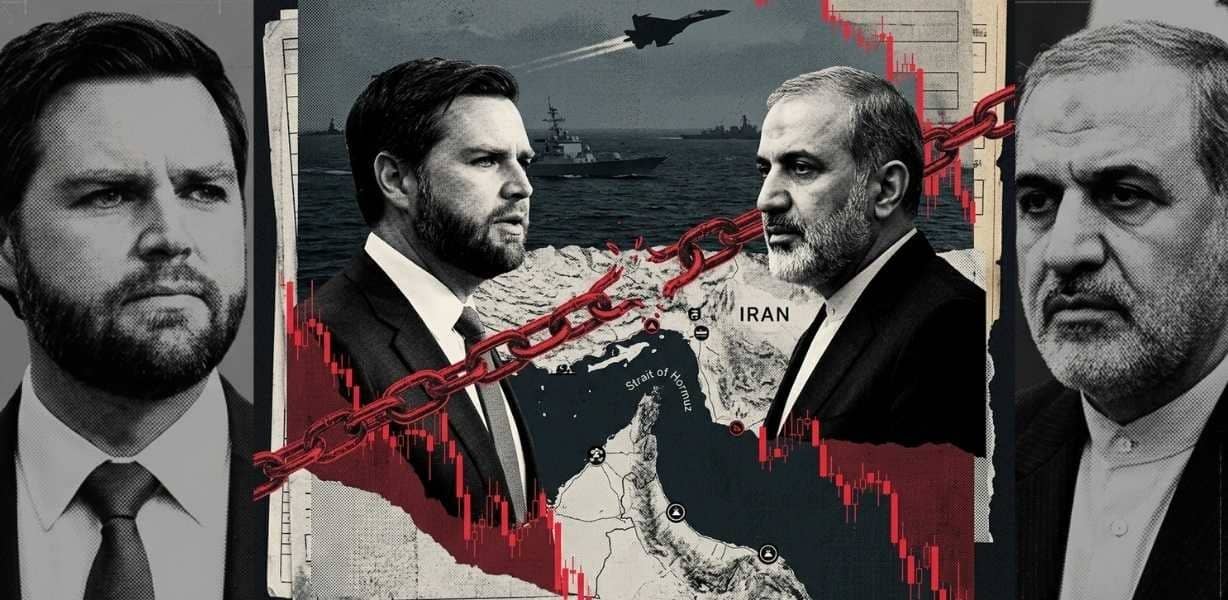
On Sunday, April 12, 2026, U.S. Vice President JD Vance emerged from a 21-hour marathon of direct negotiations in Islamabad with a stark admission: the talks had ended without a deal. While the fragile ceasefire announced on April 8 remains technically active on the surface, the refusal of either side to blink on structural issues has transformed the truce into a pause for re-armament rather than a path to peace. To understand the collapse, one must look beyond the rhetoric of unreasonable demands to the precise geopolitical fault lines that made success a mathematical impossibility.
The first and most explosive failure point was the Strait of Hormuz “toll” provision. In a 10-point plan presented via the Pakistani mediators, Iran demanded the right to manage the Strait—a vital artery for global energy supplies—and collect transit fees reportedly of up to $2 million per vessel. For Tehran, this was a reclamation of regional sovereignty. For Washington, it was state-sponsored extortion. The Trump administration’s response was characteristically direct: by April 11, U.S. Navy destroyers had intensified their presence in the Strait, with reports of specialized naval patrols signaling that the U.S. would enforce freedom of navigation with or without a diplomatic signature. The question is whether they can achieve their objectives as they already seem covering before the resistance put up by Tehran.
The Lebanon Decoupling
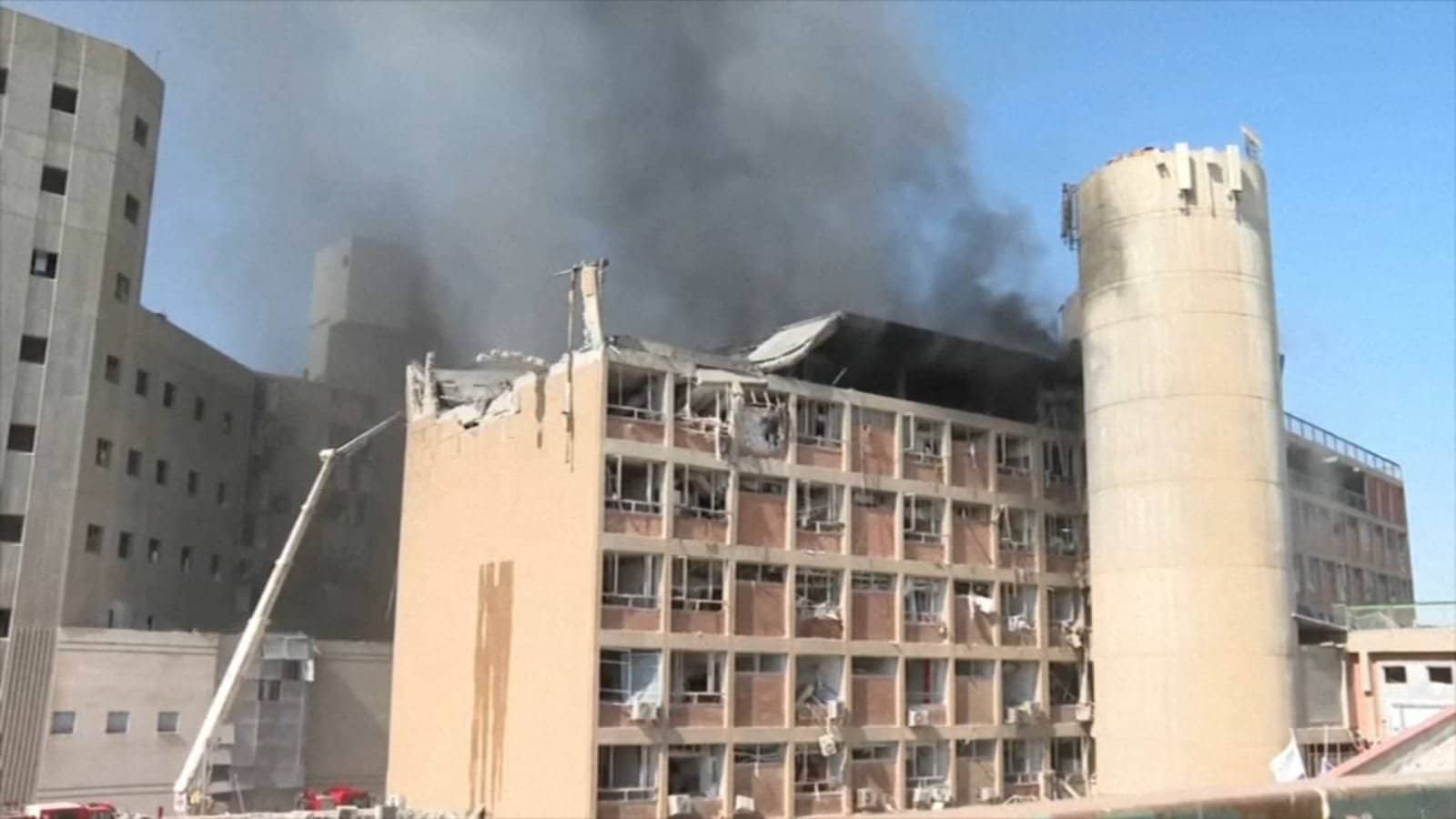
The second structural failure was the deliberate tactical decoupling of the Lebanon front. On the very day the ceasefire was announced, the Israel Defense Forces (IDF) launched Operation Eternal Darkness, a devastating wave of 357 strikes in 10 minutes across Beirut and southern Lebanon. Israel, with the quiet concurrence of the U.S. delegation, maintained that the U.S.-Iran ceasefire did not include Lebanon.
This decoupling was a fatal error for the broader truce. By treating Hezbollah as a separate entity from the Tehran negotiations, the U.S. hoped to contain Iran while allowing Israel to finish its northern objective. However, for the Iranian leadership, a ceasefire that allowed their primary regional ally to be devastated was politically untenable. The slow motion breakdown began the moment the first bombs hit Beirut; the Islamabad talks were merely the forensic confirmation of a death that had already occurred.
Vance’s ‘Affirmative Commitment’
The final nail in the coffin was what JD Vance’ demand for an affirmative commitment from Iran to permanently abandon not just nuclear weapons, but the tools of nuclear development. This went beyond the scope of a simple ceasefire and into the realm of a new, more restrictive treaty—one that the Iranian delegation described as excessive.
Vance reported being in constant communication with President Trump throughout the session, consulting him a dozen times in 21 hours. This level of micromanagement suggests the U.S. was not looking for a compromise, but a surrender. As both sides return to their capitals, the ceasefire exists as a ghost, a period of quiet where only the shadow of U.S. naval patrols and the distant rumble of Israeli jets reminds the world that the war never really stopped.