Opening The Rift
therift
© 2026 The Rift. All Rights Reserved.
The Zarif Framework: Diplomacy as an Alibi in an impending Total War
We are witnessing a profound shift in the utility of soft power. Traditionally, diplomacy is used to avoid war. Here, diplomacy is being used to frame a war that cannot be avoided.

Key Takeaways
1 of 3
Automatically generated. Read full article for complete context.
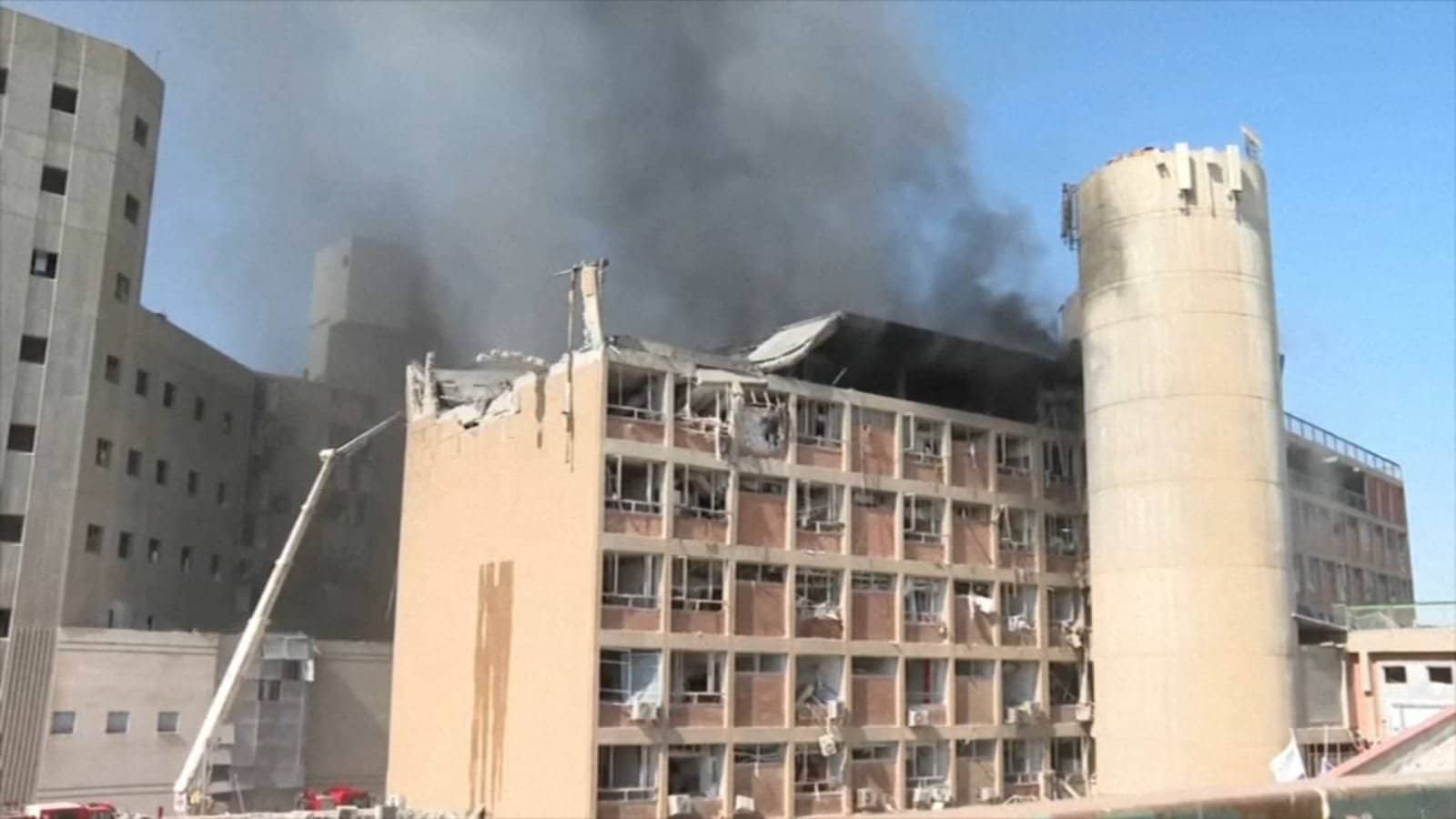
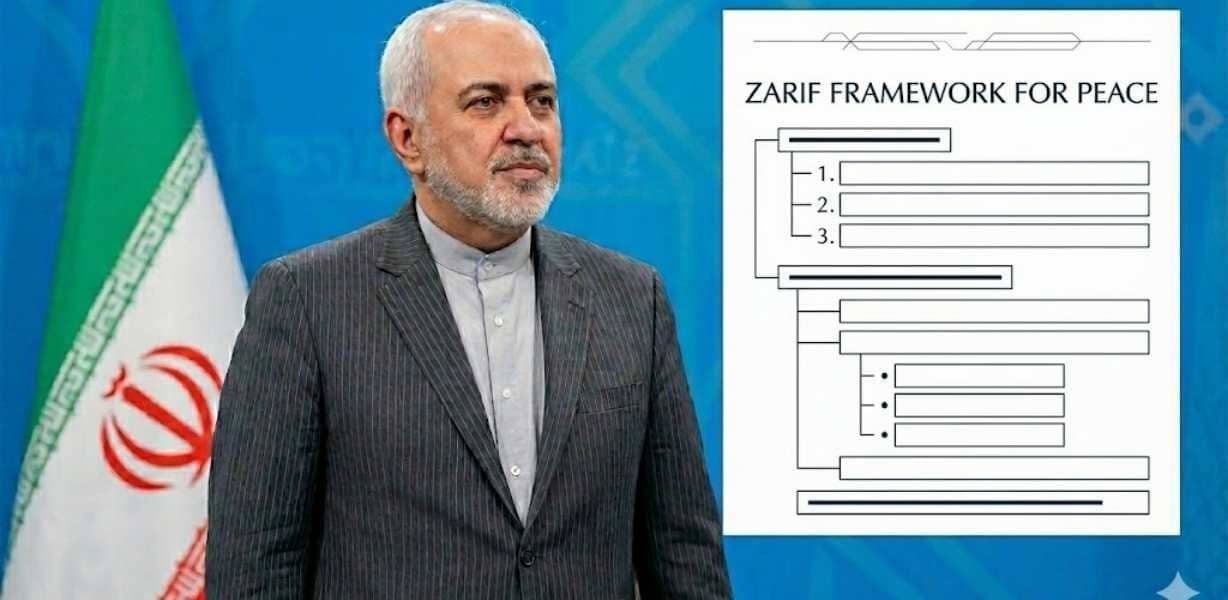
There is a specific kind of surrealism in reading a meticulously crafted diplomatic proposal while the skies over the Middle East are choked with the smoke of burning refineries. In early April 2026, as the catastrophic illegal war waged by the United States and Israel on Iran entered its sixth week, former Iranian Foreign Minister Mohammad Javad Zarif published an extensive essay in Foreign Affairs magazine. In it, he outlined a framework for a comprehensive agreement to end the regional conflagration.
On paper, the Zarif framework reads like a return to the zenith of liberal international statecraft. It proposes that Iran would cap its nuclear enrichment at 3.67 percent—the exact threshold of the now-historic 2015 JCPOA. It promises the immediate reopening of the Strait of Hormuz, effectively releasing the chokehold on the global energy market. In exchange, Tehran demands a comprehensive lifting of U.S. sanctions and a mutual non-aggression pact.
To the casual observer sitting in a Washington or London think tank, it sounds like a remarkably reasonable off-ramp to an increasingly apocalyptic conflict. But Javad Zarif is not a casual observer; he is one of the most astute and ruthless diplomatic architects of the 21st century. He knows exactly who sits in the Oval Office. He knows that President Donald Trump has publicly declared that the U.S. military “hasn’t even started destroying what’s left in Iran”. He knows an ultimatum is hanging over Tehran, promising a devastating escalation from targeted military strikes to total infrastructural annihilation.
Understanding Zarif’s piece requires understanding that it is not solely a diplomatic overture. It is also an alibi. It is a calculated, desperate, and brilliantly executed mechanism of salvation and blame-shifting designed to land precisely before the American hammer falls.
The framework Alibi
Diplomacy, in its purest form, relies on the mutual probability of acceptance. The Zarif framework offers zero probability of acceptance. The political reality in Washington makes it functionally impossible for the Trump administration—which built its entire Middle East paradigm on tearing up Zarif’s previous nuclear deal and applying “maximum pressure”—to suddenly execute a mutual non-aggression pact while their allies in the Gulf are under fire.
Zarif knows this. The leadership in Tehran knows this. Therefore, the purpose of the Foreign Affairs article is not to stop (it may) the current conventional bombing—a campaign that has, over the past month, utterly failed to break the Iranian state or loosen its grip on the Strait of Hormuz. The purpose is also to ensure that if the United States and Israel, frustrated by the resilience of Iran’s asymmetric warfare, escalate to unprecedented or even nuclear devastation, the moral and historical responsibility for that hellscape rests exclusively on Washington.
This is the diplomacy of strategic resilience playing for the long game. The narrative being constructed is explicitly clear from the Iranian side that We stood at the edge of the abyss. We offered a rational, comprehensive, globally beneficial path to peace despite being attacked illegally. We offered to restore the global economy by opening the Strait. And Washington, consumed by imperial bloodlust, rejected it.
By publishing this framework exactly as Trump’s ultimatum ticks down, Iran’s diplomatic wing is attempting to pre-emptively wash its hands of whatever apocalyptic escalation might follow. The destruction of Iran is not inevitable at least till now it is competing to cause the equal damage it is receiving —their asymmetric strategy has already inflicted massive economic and structural pain on U.S. and Israeli allies in the region. But if Washington, unable to achieve its goals conventionally, unleashes absolute ruin, Tehran’s strategic move is to guarantee absolute victory in the ideological aftermath—an aftermath they are already winning, as the United States and Israel currently stand completely isolated, deserted even by their traditional NATO allies.
Weaponizing Western Sensibilities
There is a reason Zarif placed this framework in Foreign Affairs and not in a televised address from Tehran. He is deliberately weaponizing the language and the platforms of the Western liberal establishment against the current U.S. administration.
Zarif is speaking fluent rules-based international order to an audience of European diplomats, UN bureaucrats, and American academics who are already deeply uncomfortable with the sheer scale of the U.S.-Israeli war of choice. He is offering them exactly what they want to hear: percentages (3.67%), treaties (non-aggression), and free trade (Hormuz). He is giving the transatlantic critics of the war the ultimate ammunition. When the Trump administration rejects the deal and escalates the bombing, European capitals—already fracturing over their refusal to join the U.S. coalition—will be able to point to the Zarif article as proof that America chose war over a viable peace.
It is a masterpiece of wedge politics. It isolates the United States morally precisely at the moment it is exerting maximum physical force.
The Global South and The Day After
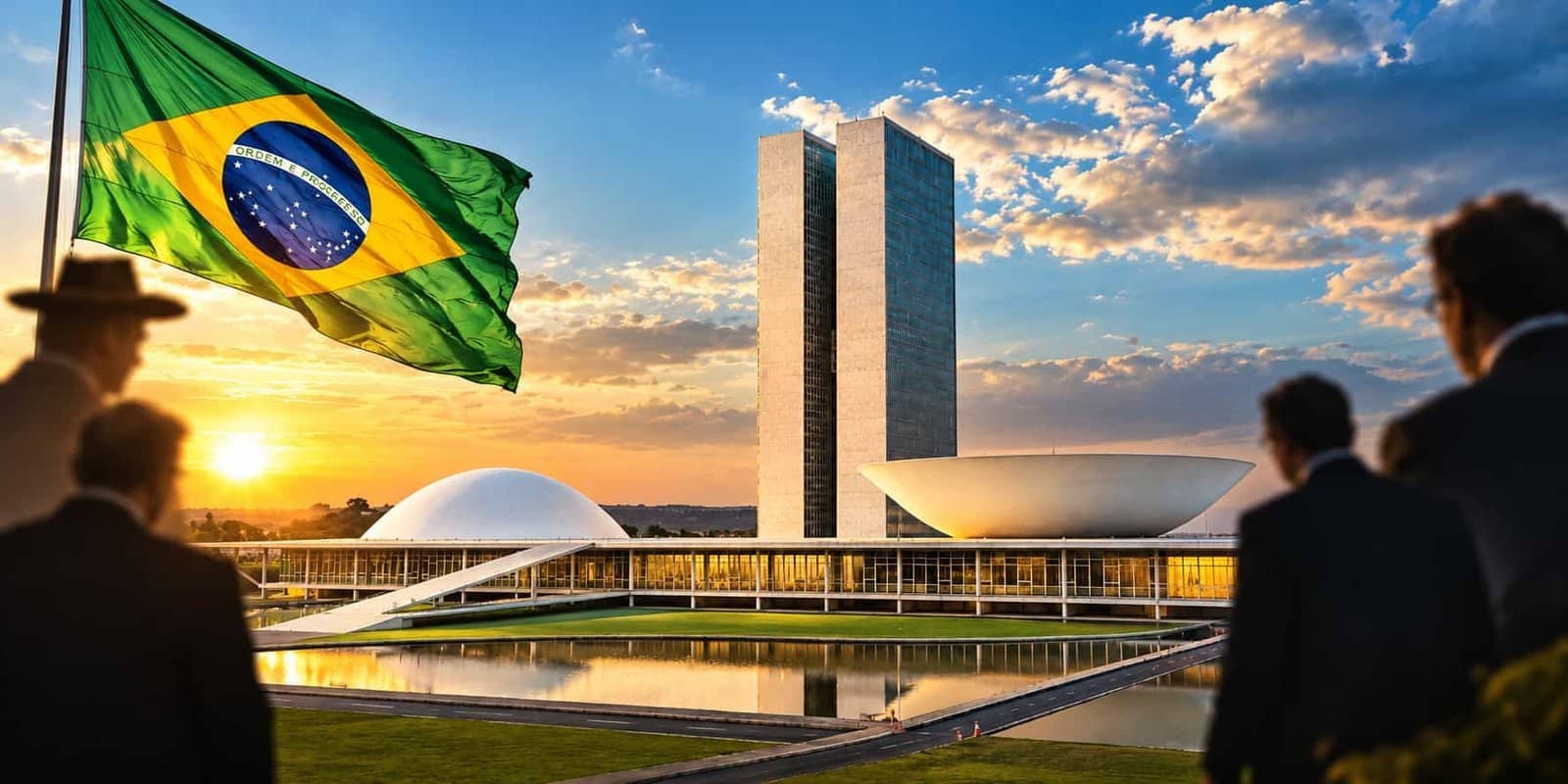
But the most vital audience for this framework does not reside in the West. Zarif’s alibi is engineered for Beijing, Moscow, Pretoria, and Brasilia.
If the U.S. escalates the conflict beyond its current boundaries, the resulting devastation will require massive reconstruction and diplomatic cover from the multipolar bloc, primarily China and Russia. Even now, navigating the economic strangulation of the conflict requires this alliance.
To secure that permanent lifeline, Iran cannot be framed by Western narratives as a uniquely aggressive outlier that provoked a doomsday scenario. It must be viewed as a rational state actor that sought a rules-based resolution but was met with overwhelming, disproportionate imperial violence. The Zarif framework provides the documentary evidence for this narrative. It allows multipolar diplomats at the UN Security Council to argue that Tehran offered a reasonable compromise for regional security; Washington chose absolute devastation.
It transforms geopolitical defeat into a martyrdom of reason. By offering to open the Strait of Hormuz—the very artery of the global economy—Iran is signaling to the non-Western world that it prioritized global stability, while Washington prioritized regime change.
The Ultimatum Expires
We are witnessing a profound shift in the utility of soft power. Traditionally, diplomacy is used to avoid war. Here, diplomacy is being used to frame a war that cannot be avoided.
There should be no illusions about the reality on the ground. Iran’s military apparatus continues to launch strikes against energy grids in Kuwait and the UAE, leveraging asymmetric warfare to inflict severe costs on regional adversaries. The Zarif framework does not represent a surrender or a sudden conversion to pacifism by the Iranian leadership.
It represents cold, hard geopolitical arithmetic. As the clock runs out on the American ultimatum, Tehran knows that while its asymmetric capabilities have successfully withstood a month of relentless, illegal bombings, it cannot conventionally match the apex destructive power of the U.S. military if Washington chooses the nuclear or ‘total war’ option. They cannot intercept the stealth bombers or defend against doomsday munitions. But they can out-narrative them.
If the ultimatum ends and an unprecedented hell is unleashed, Zarif’s 1,200 words in an American journal will stand as a permanent testimony. Long after the fires are put out, those words will remain on the historical record—a meticulously placed offer of peace, designed to ensure that if the U.S. turns the region to ash, it will bear the eternal historical burden of doing so alone.
Disclaimer:The views and opinions expressed in this article are those of the author(s) and do not necessarily reflect the official policy or position of The Rift.
GeopoliticsGeopolitics & DiplomacyInternational Relations TheoryIranMiddle East ConflictMiddle East SecurityopinionUS-Iran Conflict 2026