Opening The Rift
therift
© 2026 The Rift. All Rights Reserved.
Afghans Returning ‘Home’—Biggest ever deportation in most difficult conditions needs humanitarian support
Nearly six million Afghans have been forced to return to Afghanistan in extremely difficult and uncertain conditions, exacerbating an acute humanitarian crisis.

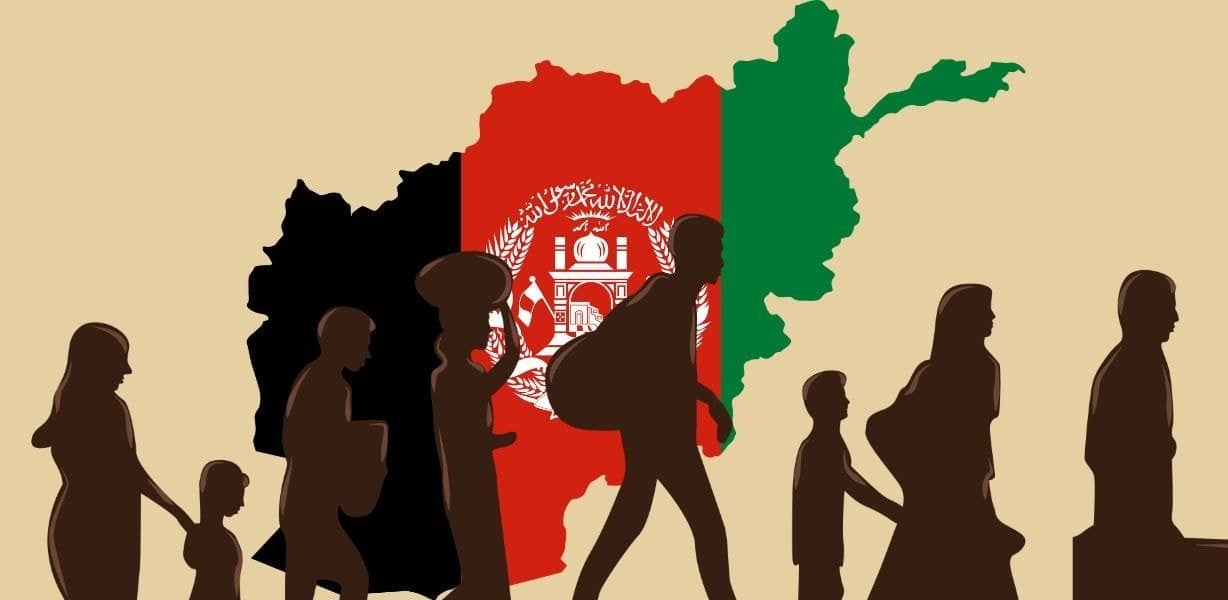
Nearly six million Afghans have been forced to return to Afghanistan in extremely difficult and uncertain conditions
Key Takeaways
1 of 3
Automatically generated. Read full article for complete context.
When a country faces extremely difficult food situation, more disasters and various kinds of insecurity, one of the ways in which people pursue survival strategies is by migrating to more secure and better resources areas, in neighboring countries or wherever possible.
In Afghanistan, however, the reverse of this has been happening over the past three years or so. At a time of very high levels of hunger, several disasters, and other insecurities, nearly six million Afghans who had earlier been living in other countries have been forced to return to Afghanistan in extremely difficult and uncertain conditions.
Most of this deportation has taken place from Pakistan and Iran but in addition more recently pressure is also increasing in western countries like Germany and the USA for increased deportation of Afghans, although they had been welcomed until just a few years ago. Recently the foreign ministry of Germany said that it will be seeking the cooperation of the Afghanistan government to send back more and more Afghans who had earlier received shelter here. Kathy Gannon, former AP news director for Afghanistan and Pakistan, recently raised questions in an article posted on her Substack regarding why people welcomed earlier are now being sent back. At the same time the USA has started sending people who had come from Afghanistan, including those who had been helpful for the USA earlier, to several African countries such as Rwanda, Burundi and Liberia, along with individuals from other countries like Cuba and Nicaragua.
The deportation of millions of people in Afghanistan has been taking place at a time when according to UN estimates about 22 million here are already in the grip of an acute humanitarian crisisSevere Human SufferingA single event or a series of events that are threatening in terms of health, safety, or well-being of a community or large group of people. It requires external assistance.. Afghanistan has faced prolonged drought conditions over a wide area, while at the same time there have been ferocious, destructive floods from time to time in some places, including very recent ones. There have been earthquakes too and air attacks from Pakistan as well. So a big question is—how can a country already facing a serious humanitarian crisis cope with the incoming millions of those who have been or are being deported.
Afghanistan’s Mounting Challenges
Forced Returns
~6 Million
Afghans forced to return ‘home’ in recent years.
Humanitarian Crisis
~22 Million
Afghans in acute humanitarian crisis.
Aid Funding Gap
> 66% Shortfall
Humanitarian aid funding is less than one-third of estimated needs.
VISUALS BY THE RIFT
Many of those deported to Afghanistan came in very difficult conditions after facing lot of harassment in the countries where they were living earlier. A Human Rights Watch report on the problems faced by them earlier in Pakistan mentions “door to door raids, late night house searches and arrests without warrant.” Another report of Doctors without Borders said that many of them were so afraid of being detained that they avoided going out for essential treatment of health problems for several days.
So when deportees reach Afghanistan they are in urgent need of help. However the conditions of Afghanistan are already such that there is very substantial underfunding of essential humanitarian needs. As the UN has been short of humanitarian aid funds due to big cuts by donors particularly western donors, the estimates of humanitarian aid budget that were prepared for this year were on the basis of very conservative estimates as it was realized that more funds are not just available. However when it comes to the present day actual availability of funds, the reality is that the actual availability is still less than one third of the conservatively estimated needs.
So in the midst of a huge shortage of funds, how can Afghanistan cope with the incoming millions who are being deported? Certainly the existing situation is a very, very difficult one and although we can certainly say that more funds should be donated very quickly, the possibilities of this actually happening are not at all bright in the present conditions where several other areas very badly affected by humanitarian crisis are also being deprived of funds.
In this very difficult situation one solution that is still possible is that all the frozen assetsBlocked Financial ResourcesFinancial assets (like bank accounts, investments, or property) that cannot be accessed or transferred by their owners due to legal restrictions, often imposed by governments or international bodies. of Afghanistan should be immediately released by the USA and its western allies with about one half of these funds meant for directly helping the most needy people and the other half for stabilizing and improving the general economic conditions in other ways. In any case the money belongs to Afghanistan and its people, so why not return this at a time when people of Afghanistan need this so desperately?
Disclaimer:The views and opinions expressed in this article are those of the author(s) and do not necessarily reflect the official policy or position of The Rift.