Opening The Rift
therift
© 2026 The Rift. All Rights Reserved.
From Struggle to Solution How a Grassroots Organization and the Administration Together Changed the Face of Bajna’s Villages
What this whole episode makes clear is that when organised local effort meets a responsive administration, public problems can be solved far faster and far more effectively.

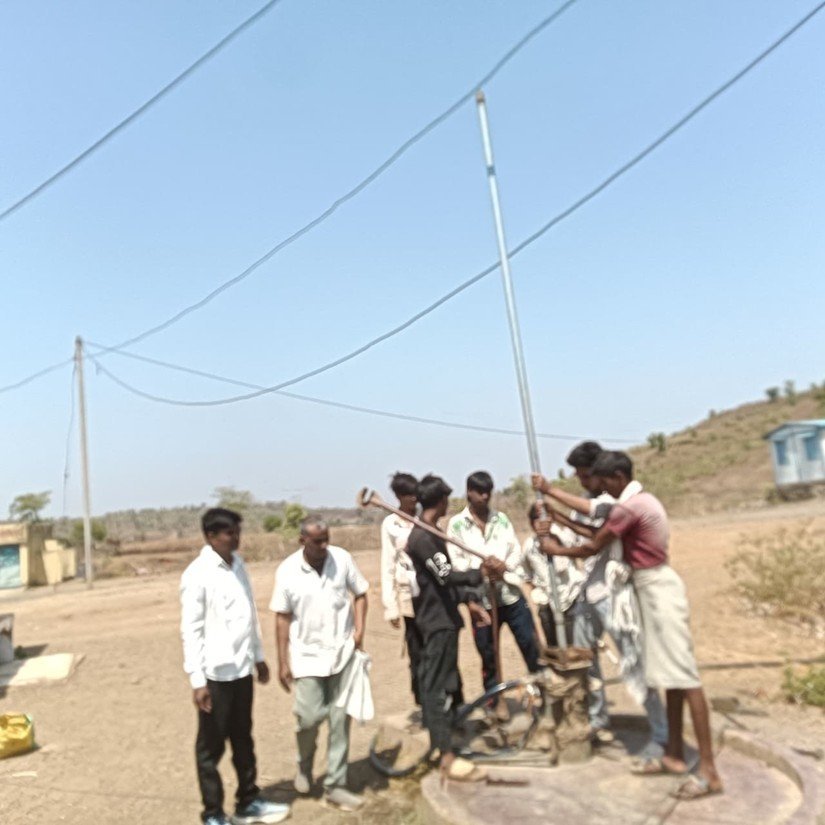
Bajna’s village undergoes significant development (Representative Image)
Key Takeaways
1 of 3
Automatically generated. Read full article for complete context.
This summer’s punishing heat bore down hard on rural life in the Bajna block of Ratlam district, Madhya Pradesh, and no one felt it more sharply than families in villages where the handpumps had been broken for months. As temperatures climbed, so did the thirst of the land, and the desperation of those who depended on it. Eighteen villages were in especially dire straits, with thirty-four handpumps out of order, forcing women to walk long distances just to fetch a pot of water. The daily grind of that search consumed lives: men who should have been in their fields and women who should have been running their households instead spent the better part of each day chasing down water, taking a toll on both their livelihoods and their health.
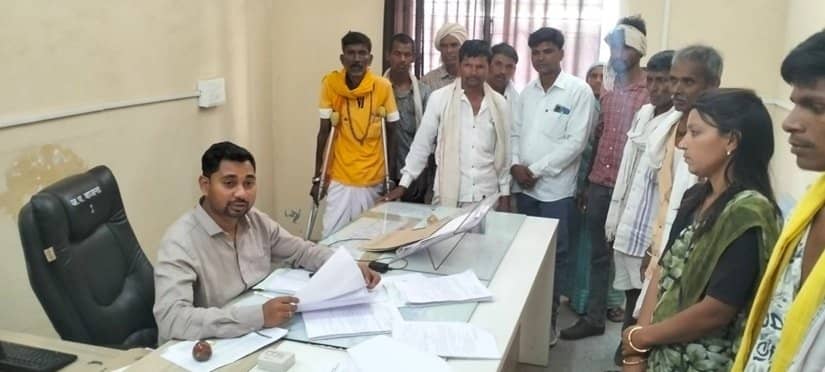
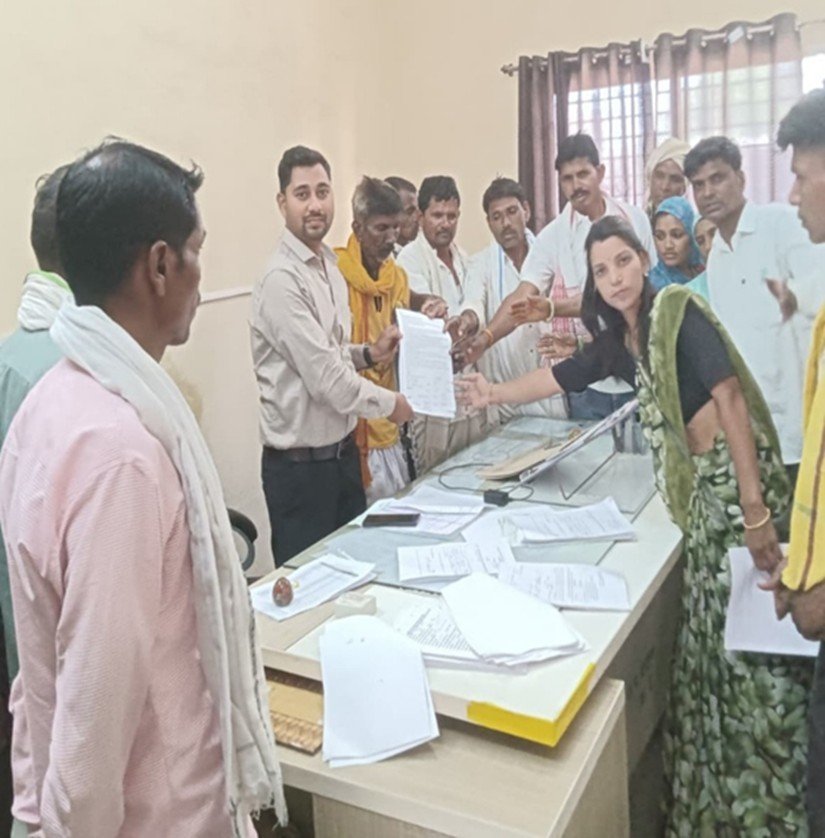
It was against this backdrop that the Krishi evam Adivasi Swaraj Sangathan, Bajna, an organisation formed under VAAGDHARANon-Governmental Organization (NGO)A non-governmental organization (NGO) working in Rajasthan and Madhya Pradesh, India, dedicated to sustainable development, tribal rights, and natural resource management., chose to act. Rather than wait for the crisis to pass, its workers fanned out across the villages, inspecting every handpump one by one, diagnosing what had gone wrong: a missing pipe here, a worn part there. The findings were compiled into a detailed, village-by-village list of every non-functional handpump in the area. Armed with this evidence, the Sangathan approached Manish Bhanwar, Chief Executive Officer of Janpad PanchayatLocal Government BodyA local self-governing body at the block level in India, responsible for rural administration and development. Bajna, on 24 April 2026, and handed him a comprehensive memorandum laying out the full scale of the deepening water crisis. The demand was direct: repair the broken handpumps without delay, and put in place a lasting solution.
The delegation that day included Sangathan office-bearers Shankarlal Maida, Lalu Hada, Maniram Damor, Shantilal, Kalibai, Rakhiya, Anjana, and Kailash Bhuj Govind Ninama, alongside VAAGDHARA block facilitators Renuka Porwal and Mohan Bhuria. They made clear they were ready to extend every possible cooperation to the administration in resolving the crisis. What followed was not a one-time appeal but a sustained campaign; the Sangathan kept up the pressure, following up regularly and staying in dialogue with officials. That persistence paid off in June, when CEO Manish Bhanwar, recognising the urgency, moved swiftly to instruct the Public Health Engineering DepartmentGovernment DepartmentA government department in India responsible for providing safe drinking water and sanitation facilities to the public. and its technical staff to act. “The drinking water crisis facing our villagers is our top priority,” Bhanwar said, “and the survey and memorandum submitted by the organisation made it far easier for us to act quickly. We directed the department to repair every non-functional handpump so that people could find some relief from this brutal heat.”
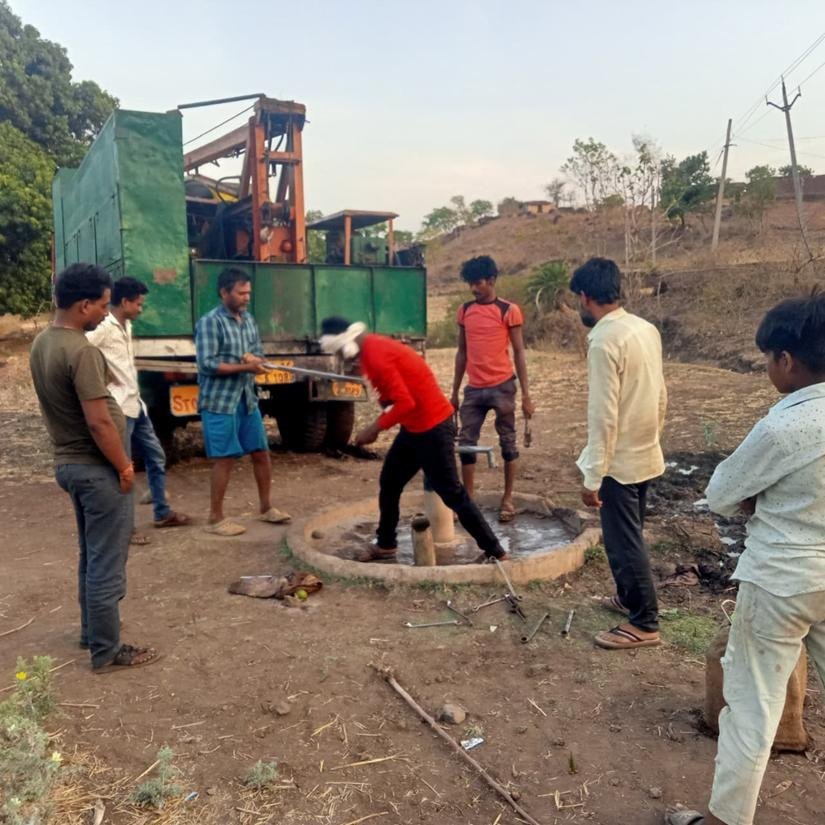
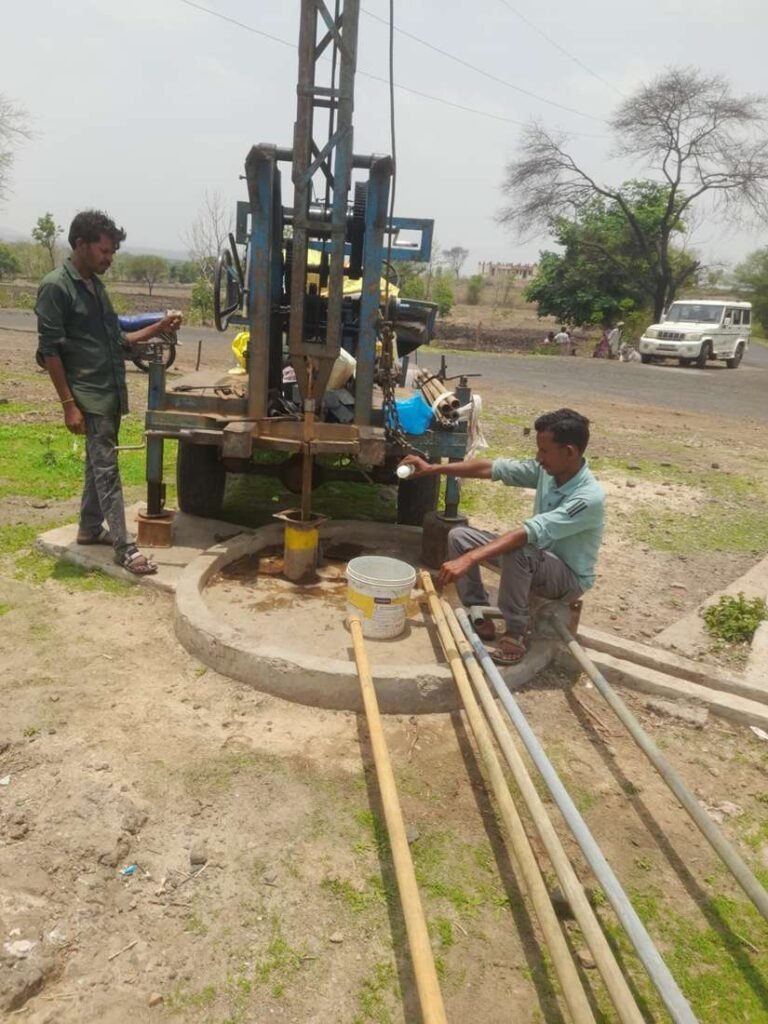
The moment those instructions went out, departmental teams sprang into action, arriving in the identified villages to begin repairs. Handpumps with minor faults were fixed on the spot; those needing new pipes or fittings were supplied with the necessary parts and brought back to life. In all, twenty-nine of the thirty-four broken handpumps were successfully repaired and restarted. The relief extended well beyond human needs; livestock that had been struggling through the heat without adequate water finally had enough to drink as well.
Bajna Water Crisis Resolution
Villages Affected
18
Handpumps Out of Order
34
Handpumps Repaired
29
Remaining Out of Order
5
VISUALS BY THE RIFT
The change was felt personally in every village it touched. “We had been struggling with this for years, and we complained more than once without a solution,” said Shankarlal Maida, a Sangathan office-bearer from Bhuri Ghati village. “This time the organisation carried our voice to the administration, and the administration moved just as fast. Our handpump is running again, and we no longer have to travel far for water.” Lalu Hada of Talinkheda village echoed the sentiment: “The hardship our women went through for water is finally over. Now that the handpump works, our families have real relief, and we’re grateful to both the organisation and the administration.”
In Mewasa village, Kailash Bhuj credited the Sangathan’s door-to-door approach: “The way the workers went house to house to understand our problem, and then carried it to the administration, gave us real confidence. When villagers organise and speak up together, the administration does respond.” Laxmibai Charpota of Halewada village put it simply: “Those were days when we craved every last drop of water. Now that the handpump works again, our lives feel normal.” The Sangathan’s delegation, which also included Ramesh Ninama of Jambulia, Prabhu Katara of Sajjangarh, Raju Maheda of Hatli, and Onkar Devda of Devda village, among many others, thanked the administration for its quick response, joined by active community members such as Hawadi Damor, Ishwarlal Khadia and Jeetu, who had all played a part in the campaign.
The episode illustrates just how much can be achieved when an organisation’s initiative, effort, and steady oversight are applied to a public problem. It was only after repeated complaints that Sangathan workers went village to village to conduct a thorough survey of the broken handpumps, and it was that survey, distilled into a clear list and a formal memorandum, that helped the administration grasp the true scale of the problem and act on it more quickly.
“Our village’s handpump had been shut for months, and it wasn’t just us who suffered; our cattle went short of water too. That problem is finally solved,” said Ramesh Maida of Talinkheda village. In Bhojpura, Keharig Maida said the initiative had freed the village’s women from the daily ordeal of walking far for water, a sentiment shared by Champabai Kharadi of Kharadisera village and Daulat Singh Katara, also of Bhojpura, both of whom praised the Sangathan’s persistence. Shantilal Bhuria of Rampuriya village said the whole process had convinced villagers that their concerns were finally being heard. Many others voiced the same gratitude toward the administration, among them Meerabai Charpota of Bhojpura, Govind Ninama of Kundal, Kavita Ninama of Rehatkua, Sugna Katara of Chhavnijodia, Kalibai Dodiyar of Makanpura, Dariya Munia and Gajendra Charpota of Bagli, and Gautam Bhabhor of Rajapura, all expressing hope that the Sangathan’s advocacy for villagers’ basic needs would continue in the same spirit.
What this whole episode makes clear is that when organised local effort meets a responsive administration, public problems can be solved far faster and far more effectively. Villagers took particular satisfaction in the fact that Janpad Panchayat Bajna and its allied department did not merely act quickly, but kept the entire process transparent and open to dialogue. The immediate crisis was resolved, and in the process, a positive precedent was set for how the administration might respond to similar problems in future. Office-bearers of the Krishi evam Adivasi Swaraj Sangathan were quick to point out that this was not merely an administrative success, but also a victory for community participation and social awareness. They expressed hope that the administration would continue to bring the same urgency and sensitivity to issues of public interest, rural development, and basic amenities, so that the villagers of Bajna would never again have to fight for something as basic as drinking water, whatever the season. The relief that came to villagers in the middle of this brutal summer was not just a practical fix; it was also proof of something larger, that an organised community and a responsive administration, working together, can find a way through almost any challenge. The return of water to eighteen villages in Bajna tehsilAdministrative DivisionAn administrative division in India, also known as a sub-district, comprising several villages and towns. stands as real evidence of what people’s collective will and administrative resolve can achieve together, and it is likely to be remembered for a long time as a model for similar efforts elsewhere.

Disclaimer:The views and opinions expressed in this article are those of the author(s) and do not necessarily reflect the official policy or position of The Rift.