Opening The Rift
therift
© 2026 The Rift. All Rights Reserved.
Kherwara’s Collective Strength: How Unity and Mobilization Empower Rural Rajasthan
This success of unity, mobilization and alertness is being experienced in many different ways in several villages of Kherwara block.

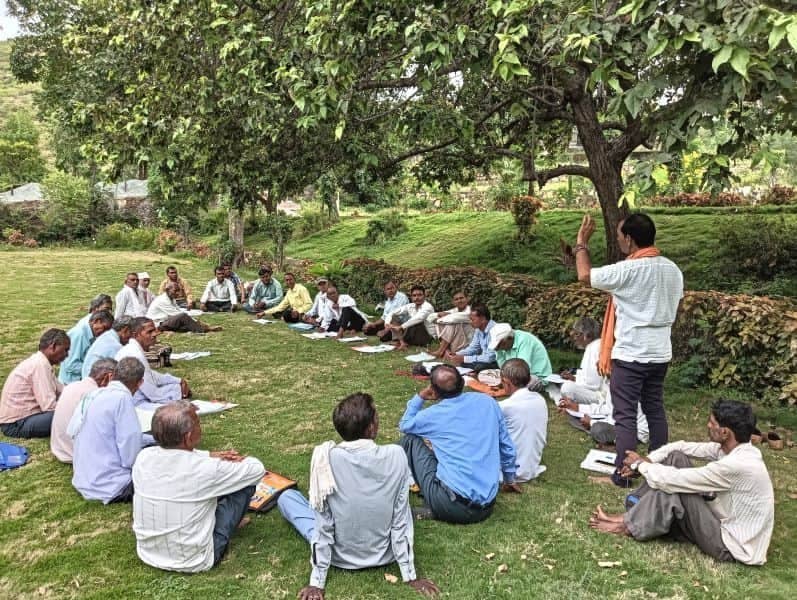
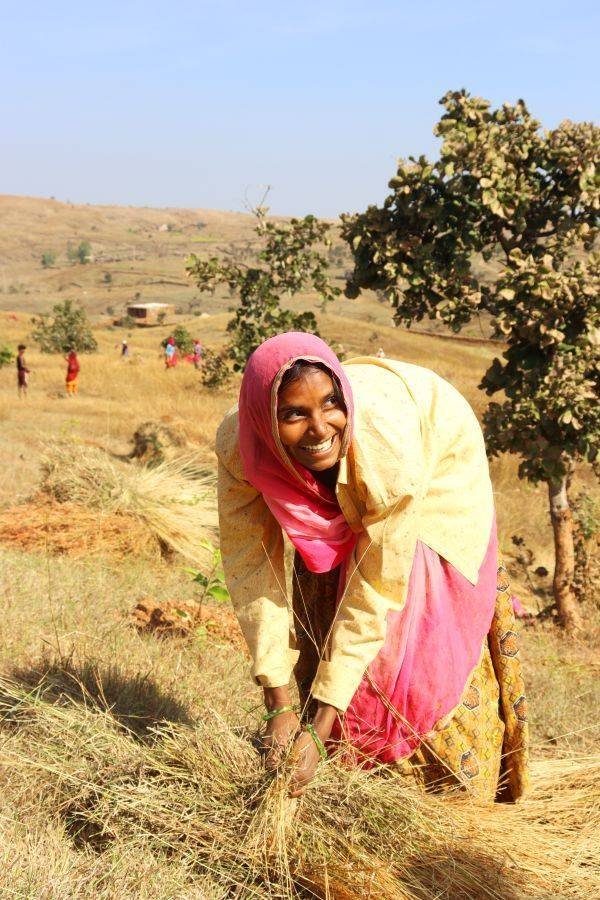
Community members unite to drive change in Kherwara, Rajasthan
Key Takeaways
1 of 3
Automatically generated. Read full article for complete context.
As the rainy season arrived, people in many villages were worried about several paths becoming difficult to negotiate. However there were far fewer worries on this account in over 150 villages of Kherwara block in South Rajasthan, in South Rajasthan, as they had held meetings well before the advent of rains to reduce anticipated problems.
Such preparations are even more important before the start of the scorching summer season as water scarcity is a chronic problem in several villages. So at earlier meetings in these villages advance preparations were made to minimize water-related problems.
In fact there is a calendar of such meetings relating to the entire year’s seasonal cycle so that communities in these villages can make the best efforts to address at least the most troublesome seasonal problems.
Of course, not all problems can be resolved, but advance efforts, made with consultation and foresight, can make a significant difference. Some problems can be resolved with community and panchayatLocal Self-GovernanceA system of local self-governance in rural India, where elected members manage village-level administration and development. efforts, while for others community leaders can approach the administration well in advance.
Furthermore, such alertness is exercised here not just in the context of the more routine and anticipated problems. Similar unity and mobilization is evident in responding to problems which appear more suddenly. For example, when corruption was exposed recently in works related to the construction of community cattle sheds, timely action by villagers led to several incomplete works being completed after detailed complaints were received.
As experienced villager Kanhaiyalal says, when the administration knows that the people in these villages are alert and united, they respond more quickly and more effectively to resolve problems.
This success of unity, mobilization and alertness is being experienced in many different ways in several villages of Kherwara block.
Key Impact Areas of ALSF & Community Mobilization
Seasonal Problem Resolution
Addressing issues like difficult paths during rains and chronic water scarcity.
Combating Corruption
Exposing irregularities in cattle shed construction and e-mitra services.
Social Reform Initiatives
Reducing wasteful expenditure on weddings and ceremonial occasions.
Crime Reduction & Anti-Trafficking
Cooperating with authorities and rescuing trafficking victims.
Environmental Protection
Protecting pastures, forests, and supporting tree-planting efforts.
Access to Government Schemes
Ensuring benefits from PDS, pensions, Ayushman cards, and housing reach deserving persons.
Infrastructure & Planning
Campaigning for new hospitals, improving village plans, and water conservation.
Climate Resilience & Energy
Promoting renewable energy and overall work for climate resilience.
VISUALS BY THE RIFT
How did the villagers here achieve such unity and mobilization capacity? Narayan Joshi, a coordinator of these efforts explains—Seva Mandir is a leading voluntary organization here whose approach is to start by mobilizing people on non-discriminative basis. First village groups are formed and then selected persons from various communities form village development committees. However for wider problems which need solutions and actions beyond a village, federations for clusters and blocks are organized and these in turn are integrated to form the Aravalli Lok Samiti Federation (ALSF).
Rimjhim Pandey, who heads ALSF initiative, says, ‘There are some problems which can be easily taken up at village or cluster level, but there are other issues on which wider initiatives are needed. This can relate to social reform efforts, for example, efforts that can lead to reducing wasteful expenditure in marriages and on other ceremonial occasions. There is also a need for wider initiatives to check irregularities that are spreading over a bigger area. Improving access to government schemes and programs is being attempted constantly at the village level, but here too repeated problems being seen at several places repeatedly emphasize the need for some wider efforts as well..”
Several villagers I spoke to were eager to tell about the success of reducing wasteful expenditure on DJ music systems, excessive wedding gifts, other ceremonial expenses, and liquor consumption at marriages. On the other hand, other villagers were keener to speak about the success in checking irregularities. Several e-mitras, who were supposed to help people who were supposed to help people in distant villages in matters like bank transactions had started cheating them in several ways. So ALSF decided to carry out a survey in Kherwara block in many villages to find out the extent and kind of irregularities. When several e-mitras came to know about such an initiative, the extent of irregularities reduced considerably spontaneously. This further reduced after some complaints were made and in other cases some bank officials were invited to villages to inform them better about the kind of problems arising in many villages.
When crime increased in some areas, several ALSF members came forward to meet the authorities and offered their suggestions and cooperation for reducing crime. This often plays a helpful role in reducing crime. In some cases courageous ALSF members like Madan Lal have even risked their lives to combat trafficking. In a recent case, Madan Lal, with other friends, was involved in rescuing a girl who had been trafficked, and arranged for her safe return to her family.
ALSF has played an important facilitation role in Seva Mandir’s initiatives in protecting pastures and forests and in tree-planting work. Its helpful role is also evident in the context of renewable energy and its overall work is contributes to climate resilience.
Some of the common recurring problems related to various government schemes and programs are being taken up by ALSF members with the administration. Hence, benefits of the public distribution systemFood Security ProgramAn Indian government-sponsored system that distributes subsidized food and non-food items to the poor through a network of fair price shops, aiming to manage food scarcity and ensure food security., various pension schemes, rural employment schemes etc., could reach several deserving persons who were being denied access for various reasons. In certain cases, ALSF members in remote villages said that they went with persons with physical disabilities all the way to Udaipur and even Jaipur to ensure that they could get pensions or other benefits that had eluded them. Problems related to Ayushman cards, anganwadisRural Child Care CentersGovernment-sponsored child and mother care centers in India, primarily in rural areas, providing supplementary nutrition, pre-school education, and basic health services., insurance, housing for economically weaker sections could be resolved. Senior ALSF members said that it is now possible for them to approach not just local officials but also more senior leaders to resolve the more serious problems of villagers. Amritlal Ahaari from Kalyanpur village said that after a hospital stopped functioning because its old building was deemed unsafe, the successful campaign for the construction of a new hospital building has brought considerable relief to a large number of people. A new building has been approved very recently.
Many ALSF members are involved in preparing and improving village plans in cooperation with panchayats and taking forward some of the bigger water conservation and irrigation schemes which need wider attention.
Several ALSF members to whom I spoke said that taking up several of these responsibilities calls for giving a lot of time and and additionally, in the course of fulfilling several of these responsibilities some costs have to be incurred too. Despite this, many villagers keep coming forward to take up new challenges as a strong sense of ethics and accepting responsibility has emerged among ALSF members, most of whom trace their roots to several earlier initiatives of Seva Mandir. They emphasized that this is the most important strength of the organization and should be protected and maintained. Most of them agreed that in villages where migration has been increasing and the younger generation has not been adequately exposed to mobilization processes as in the past, it can be a challenge to maintain a strong sense of responsibility and ethics in the fast-changing times, but given the importance of this task, continuous efforts should be made.
Disclaimer:The views and opinions expressed in this article are those of the author(s) and do not necessarily reflect the official policy or position of The Rift.