Opening The Rift
therift
© 2026 The Rift. All Rights Reserved.
How the Israeli-US War Upended Global Energy Security
The IEA triggers the “nuclear option” of oil reserves as the US-Israel-Iran conflict chokes the Strait of Hormuz.

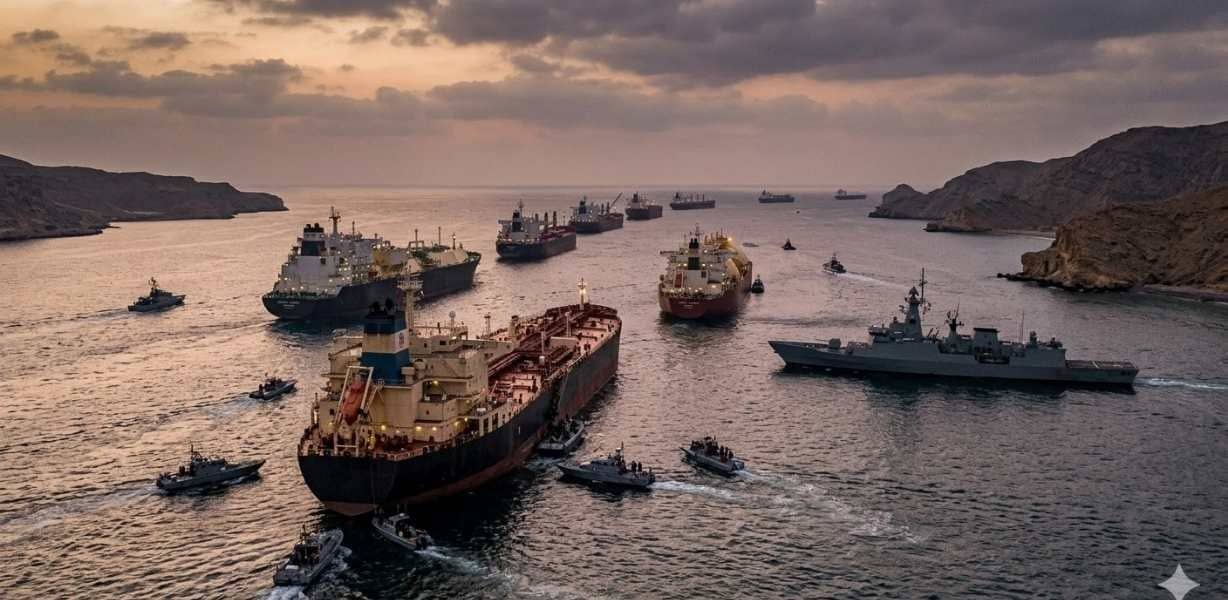
Illustrative Image
Key Takeaways
1 of 3
Automatically generated. Read full article for complete context.
The global energy market is in turmoil as the war seems to linger. With no warring parties apparently ready to backdown, the energy crisis is poised to deepen with far reaching impacts. To calm the panic, International Energy Agency (IEA) has to take the “nuclear option” of market stability: a unanimous agreement to release 400 million barrels from strategic reserves. It is the largest coordinated intervention in the organization’s history, dwarfing the 2022 response to the Ukraine invasion, and it signals that the world is no longer just watching a conflict, it is being choked by one.
The unprecedented release of 400 million barrels of emergency oil marks the end of the era of “surgical” warfare and the beginning of a global energy siege.
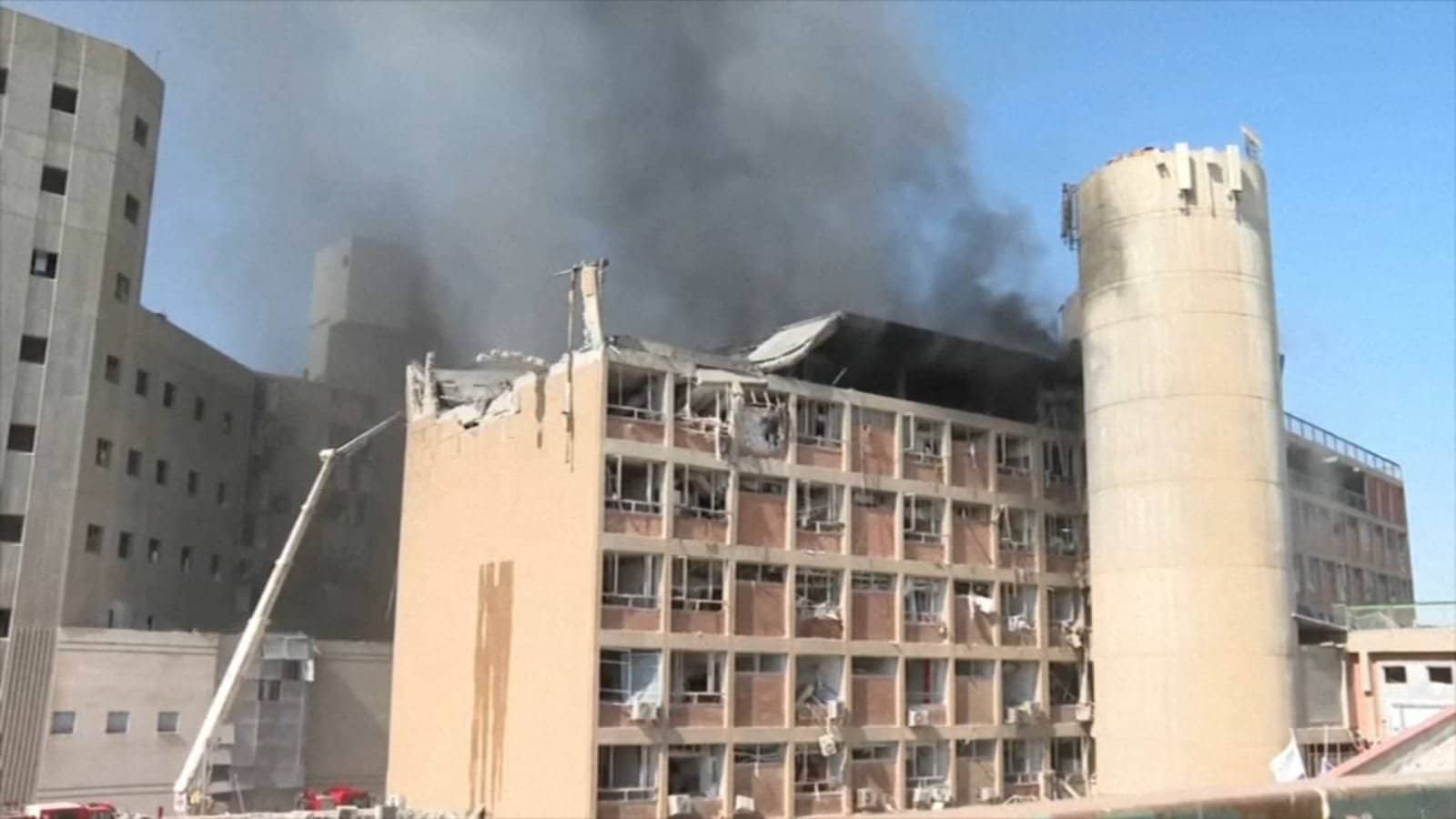
The “surgical” strikes promised by Washington and Tel Aviv in the opening weeks of the illegal attack have given way to a messy, high-stakes siege of the Strait of Hormuz. By threatening the 20-25% of the world’s seaborne oil that transits this narrow chokepoint, Tehran has effectively seized the global energy market to mount heavy cost on global economy while under attack. The price from the gas station in Delhi to the heating bill in Berlin is now being written in the Persian Gulf.
The Chokepoint Crisis
The mechanism of this economic shock isn’t just about scarcity; it’s about the collapse of commercial trust. While the Strait of Hormuz hasn’t been physically mined to closure, the risk of Iranian attacks has brought commercial traffic to a near standstill. Insurers are refusing coverage, and global tanker rates have tripled in forty-eight hours.
For major energy importers like India and China, the impact is existential. Especially. India, which relies on the Gulf for over 60% of its crude and nearly all of its LPG, is seeing its fiscal deficit widen in real-time. The quiet, bureaucratic release of IEA reserves is an attempt to buy time—roughly 20 days of replacement supply—but it cannot replace the structural necessity of a free waterway.
The Failure of Conventional Deterrence
The current crisis exposes a profound failure in the Western doctrine of “limited” warfare. The assumption that kinetic operations against Iranian infrastructure would not bleed into global commodities has been proven wrong. Instead, the energy price shock is fueling a new wave of global inflation that threatens to push the Eurozone back into recession and destabilize emerging economies already reeling from debt.
The US decision to authorized the release of 172 million barrels from its own Strategic Petroleum Reserve (SPR) is a move of desperation. It leaves the world’s largest superpower with its lowest energy buffer in decades at a time of maximum geopolitical uncertainty. This is no longer just a war between states; it is a war on the global supply chain.
As the IEA’s 400 million barrels hit the market, they might offer temporary relief to prices, but they won’t fix the underlying geography of the global energy market this war shifts. The world is witnessing the weaponization of geography in a way that conventional military power cannot easily counter.
When the dust settles, the architecture of energy security will look fundamentally different. The reliance on single chokepoints and the belief in “surgical” military outcomes are the first casualties of the 2026 energy siege. For the global consumer, this energy crisis is more than just a price tag; it is a reminder of the fragility of the modern world.