Opening The Rift
therift
© 2026 The Rift. All Rights Reserved.
Iran peace is welcome—but 2.5 of the world’s 3 biggest crises remain unresolved
While the US-Iran peace agreement is welcome, it addresses only a fraction of the world’s major crises. Conflicts in the Middle East, Ukraine, and Africa continue to threaten global stability.

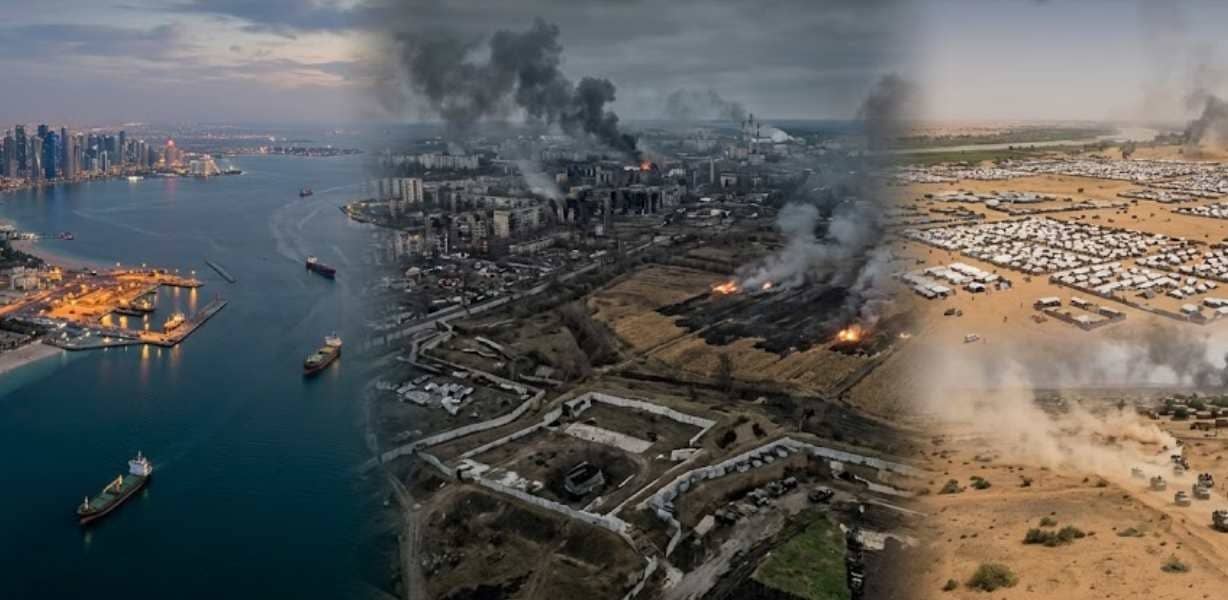
Image | Only Representative
Key Takeaways
1 of 3
Automatically generated. Read full article for complete context.
While the US-Iran peace agreement is certainly very welcome, to see this in perspective, it is important to remember that at best this takes care of only 0.5 out of the 3 most threatening crises the world faces today. Each of these remaining conflicts has the potential to blow up into a wider war.
The 3 Pillars of Global Instability
◴MIDDLE EAST
0.5 RESOLVED
US-Iran peace agreement mitigates immediate threat, but Israel’s regional war persists.
⚠RUSSIA-UKRAINE
PRIMARY THREAT
Highest risk of escalation into a Third World War and nuclear exchange.
⬈AFRICA
WIDENING
Sudan’s civil war threatens to entangle the broader Horn of Africa.
VISUALS BY THE RIFT
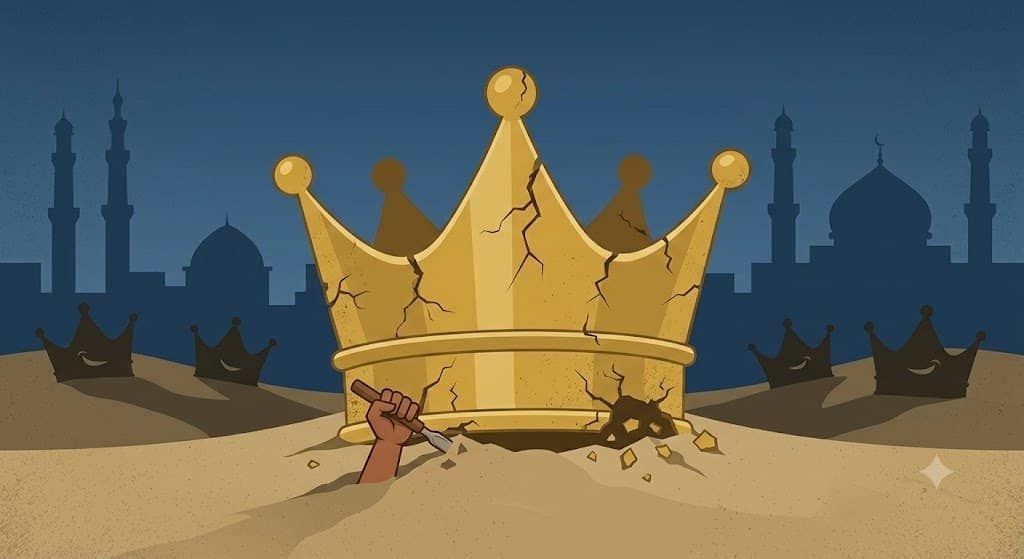
The Middle East conflict remains one of the three primary global threats. The US-Iran Peace Agreement, if it stabilizes and progresses well, covers at best only one half of the Middle East crisis. The other half consists of Israel’s aggression in Gaza, the West Bank, Lebanon, and Syria, along with the additional complications that can arise from this. In addition, there are several other stressful situations in the Middle East region.
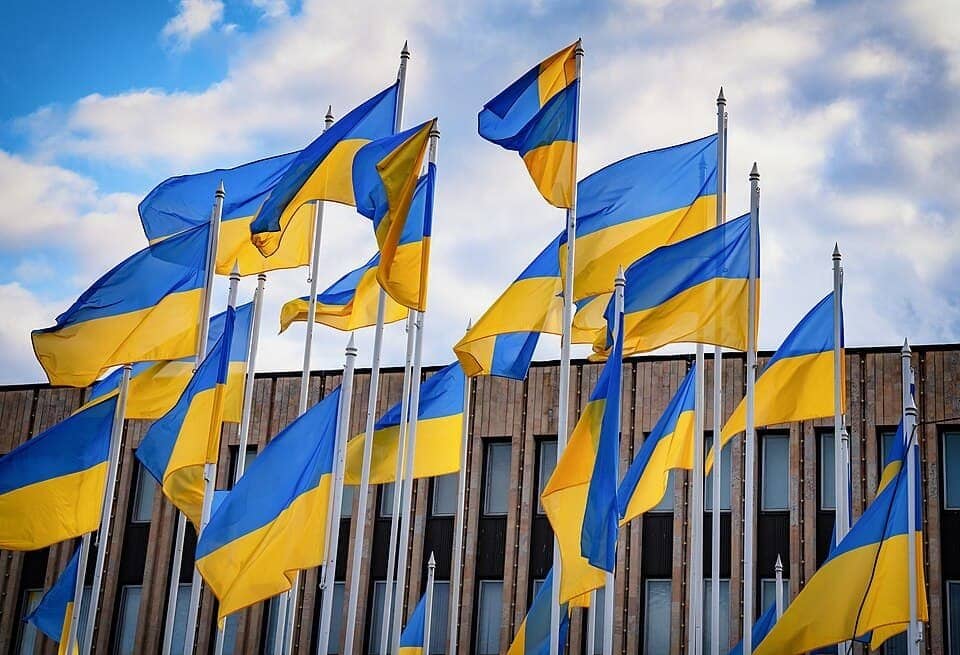
Secondly, we face the most severe threat in the form of the Russia-Ukraine war, which carries the highest risk of turning into a wider conflict, and under certain conditions, a Third World War and nuclear exchange. Maximum efforts should be made to end this war as early as possible, as the possibility of its widening is the most significant threat to humanity today.
Thirdly, there is the high risk of a broader war emerging in Africa. While the above two crises have received continuing global attention, this third threat has not received adequate attention. As this writer has argued for some time, the Sudan civil war has been hugely tragic in terms of the loss of life and has triggered the world’s biggest displacement crisis. This can easily widen by getting entangled with another emerging civil war in South Sudan, and potentially with fears regarding a war involving Ethiopia, Eritrea, and the troubled Ethiopian region of Tigray. This is an area that has already suffered heavily in war and civil war, and just cannot bear the burden of more conflicts.
However, the lines of a wider war are already being drawn. Eritrea, the recognized Sudan government, and Somalia are forming one side, while Ethiopia, the RSF paramilitary, and possibly Somaliland form the second side. Various factions in Libya, alongside mercenaries, smugglers, and terror groups, can also be involved in opportunist ways. Among outer powers, the UAE and even Israel are likely to directly or indirectly support the second side, while Egypt, Saudi Arabia, and Turkey are more supportive of the first side.
The Horn of Africa: Geopolitical Fault Lines
⌂THE STATE ALIGNMENT
Core Actors: Recognized Sudan Govt, Eritrea, Somalia
External Backing: Egypt, Saudi Arabia, Turkey
⚔THE CHALLENGER ALIGNMENT
Core Actors: RSF Paramilitary, Ethiopia, Somaliland
External Backing: UAE, Israel (Direct/Indirect)
VISUALS BY THE RIFT
This is a nightmarish scenario of a wider war that, at its worst, can kill millions. In this context, one should recall that the Second Congo War—also called the African World War—along with its tragic aftermath, claimed about 5.4 million lives, according to widely quoted estimates.
☠SECOND CONGO WAR
5.4M
Estimated death toll from the “African World War” and its aftermath.
VISUALS BY THE RIFT
The situation in DR Congo and its neighboring countries like Rwanda and Burundi, along with various rebel groups like M23, also remains highly volatile. This constitutes another massive area of concern in Africa, apart from the Sahel region, which has seen several coups in recent times.
It is vital to take forward the hopes for peace generated by the US-Iran agreement in such a way that the other major crises can also be resolved, or at least scaled back, ensuring the danger of a wider war or nuclear conflict ceases to exist.
Disclaimer:The views and opinions expressed in this article are those of the author(s) and do not necessarily reflect the official policy or position of The Rift.
*PeaceAfrican Civil WarsConflict ResolutionGlobal CrisesMiddle East ConflictRussia-Ukraine WarUS-Iran Peace AgreementWorld Peace