Opening The Rift
therift
© 2026 The Rift. All Rights Reserved.
National Nutrition Week 2026 Building a Healthier India Through Better Food Choices
Good nutrition is not about expensive foods or complicated diets; it is about balance, variety, moderation, awareness and making healthier choices possible for everyone.
Key Takeaways
1 of 3
Automatically generated. Read full article for complete context.
Good nutrition begins with the food choices people make every day. Yet, eating well is not simply a matter of knowing which foods are considered healthy. What we eat is influenced by family habits, cultural preferences, work schedules, convenience, affordability, and information available online. As a result, even when people try to make healthy choices, their daily meals may not always provide the nutrients the body needs.
In India, National Nutrition Week is celebrated every year between 1 – 7 September. This period offers the chance to educate people about the significance of balanced diets, malnutrition, and proper nutrition throughout the various stages of one’s life.
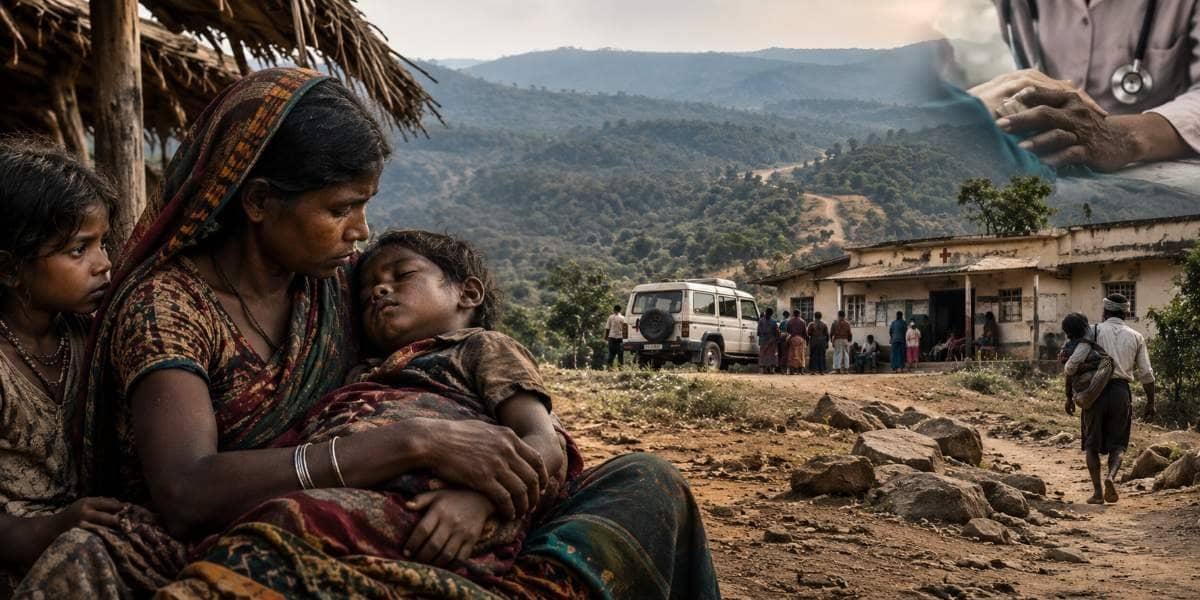
The theme of nutrition is particularly important because India faces a dual challenge: undernutritionInsufficient Nutrient IntakeA condition resulting from inadequate intake of energy and/or nutrients, leading to impaired physical and mental development and increased susceptibility to illness. continues to affect vulnerable groups, while overweight and obesityExcess Body Fat AccumulationConditions characterized by excessive fat accumulation that presents a risk to health, often measured by Body Mass Index (BMI). are also becoming concerns. Good nutrition is therefore not simply about eating more or less. It is about eating a varied, balanced, and appropriate diet.
Understanding a balanced diet
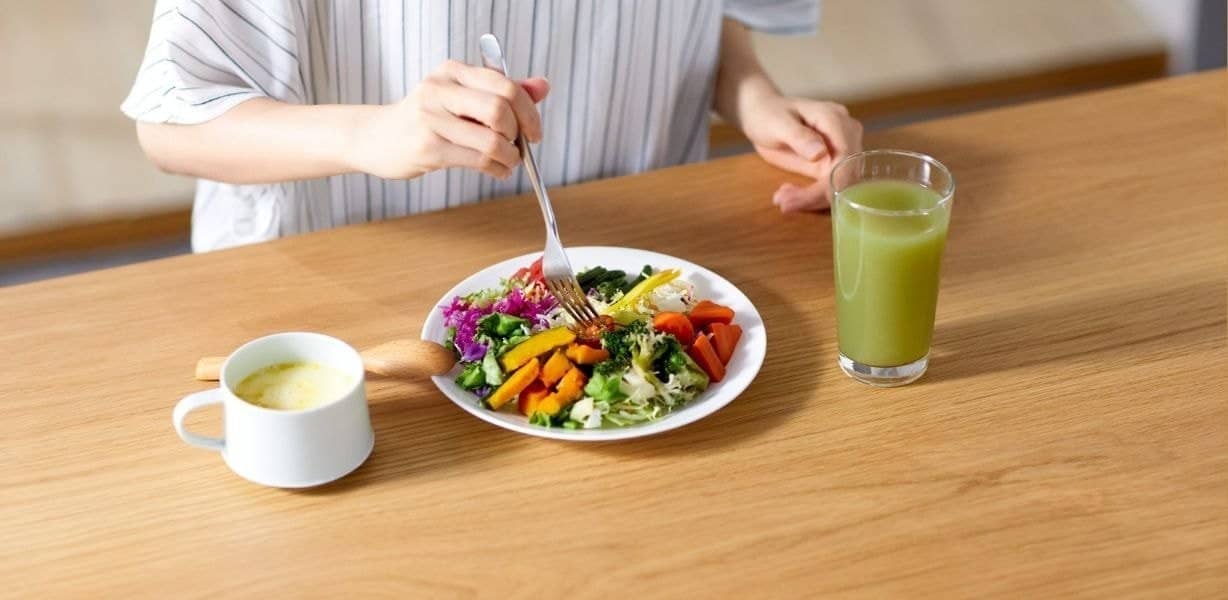
Healthy eating does not require expensive ingredients, imported superfoods or restrictive diets. The ICMR-National Institute of NutritionIndia’s Premier Nutrition Research BodyThe Indian Council of Medical Research – National Institute of Nutrition is a public health research institute in India, focused on nutrition research and policy formulation.‘s Dietary Guidelines for Indians 2024Official Nutrition RecommendationsComprehensive recommendations issued by the ICMR-NIN to promote healthy eating habits and prevent diet-related diseases among the Indian population. emphasise dietary diversity, adequate nutrients, vegetables and fruits, pulses, nuts and oilseeds, while limiting foods high in fat, sugar, and salt.
A balanced Indian meal can be built around familiar foods such as roti, rice, dal, rajma, chana, vegetables, curd, paneer, eggs, fish or lean meat and seasonal fruits. The important consideration is the overall combination and quantity rather than following a fashionable diet.
Protein should not be overlooked
Protein is an important part of a healthy diet because it supports growth, maintenance and repair of body tissues. A simple approach is to include a protein-rich food in each main meal.
Affordable choices include dal, rajma, chana and other pulses; milk, curd and paneer; eggs; soybean, tofu and soy products; fish, chicken or lean meat; and nuts and seeds. Different people require different amounts of food and nutrients, so there is no single protein target or diet plan that suits everyone.
Eat more variety, not just more food
Different foods provide different vitamins, minerals, fibre and other beneficial compounds. This makes dietary variety important.
Instead of relying on one or two familiar vegetables, families can include seasonal produce of different colours along with pulses, fruits, nuts, seeds and dairy or suitable alternatives. The ICMR-NIN guidelines specifically encourage variety among cereals, millets, pulses, vegetables and fruits.
Healthy choices do not have to be expensive. Seasonal foods such as guava, papaya, amla, spinach, carrots, pumpkin, beans and locally available greens can provide useful nutrients. Adding vegetables to main meals and choosing whole fruit instead of juice can be simple steps towards greater dietary variety.
Be careful with food labels
Words such as “healthy,” “natural,” “multigrain,” “high-protein,” “low-fat,” “baked” and “sugar-free” can influence purchasing decisions, but one marketing claim does not tell the whole nutritional story.
Consumers should look beyond the front of a packet and check the ingredient list, serving size, added sugars, sodium or salt, saturated fat and the overall composition of the product. A product marketed as “multigrain” or “low-fat” may still contain considerable amounts of sugar, salt or refined ingredients. Food labels are therefore useful tools, but they need to be read carefully
Hidden sugar, salt and fat
Excess sugar, salt and unhealthy fats do not come only from obvious sources. Biscuits, cakes, breakfast cereals, flavoured yoghurt, sweetened drinks, packaged juices, namkeen, chips, instant noodles, sauces, pickles, papad and many ready-to-eat foods can contribute significant amounts.
The ICMR-NIN guidelines advise limiting foods high in fat, sugar and salt and avoiding foods and beverages with added sugars.
Reducing these foods does not mean eliminating every packaged product. The goal is to make them occasional rather than allowing them to become the foundation of the daily diet.
Healthy food still needs sensible portions
A nutritious food can still contribute excess energy when eaten in very large quantities. Nuts, seeds, ghee, paneer, smoothies and dried fruits can all be part of a healthy diet, but portion size matters.
Using a regular-sized plate, serving food rather than eating directly from a packet, eating slowly and paying attention to hunger and fullness can help people avoid unnecessary overeating.
Avoid crash diets and detox trends
Skipping meals, following extremely restrictive diets or trying “detox” programmes may appear attractive when social media promises rapid weight loss. Such approaches can be difficult to sustain and may result in inadequate intake of energy, protein, fibre, vitamins and minerals.
The better approach is to develop sustainable eating habits suited to an individual’s age, activity level, health status and nutritional needs.
Similarly, supplements should not be treated as replacements for a balanced diet. Vitamin, mineral or other supplements may be appropriate in specific circumstances, but their use should be based on individual nutritional requirements and, where necessary, professional medical advice.
What does a balanced Indian plate look like?
A healthy Indian plate does not need to look dramatically different from the food many families already prepare.
A meal can combine cereals or millets with pulses or another protein source, vegetables, a suitable dairy or alternative, and, where appropriate, a portion of fruit. The exact combination can vary according to culture, availability, dietary preference and individual nutritional requirements.
The ICMR-NIN guidelines emphasise that nutrient requirements vary according to age, sex, physiological status and physical activity. Nutrition needs change throughout life. There is no single diet plan that works equally well for everyone.
During pregnancy and lactation, there will be specific nutritional needs. Senior citizens might require sufficient intake of protein and other micronutrients according to their personal conditions.
Likewise, there could be specific nutritional needs for someone engaged in strenuous activities as compared to someone who leads an inactive lifestyle. Therefore, there are chances that blindly following someone else’s nutritional diet plan on social media may not suit everyone.
Children, screen time and unhealthy snacking
Nutrition education is especially important for children. Long periods of screen use can reduce opportunities for physical activity, while watching television or using mobile devices can encourage mindless snacking.
When frequent consumption of chips, biscuits, sweets, sugary drinks and other highly processed foods is combined with low physical activity, children may be at greater risk of unhealthy weight gain.
Families could be helpful in making healthy foods readily available and ensuring outdoor exercise. Simple adjustments that families could make: healthy eating is not about changing entirely the way your family prepares food.
Some simple measures can be taken to ensure your daily diet is balanced: Include some protein in your meals. Make sure there are always some vegetables included. Eat whole fruits instead of drinking their juice. Slowly reduce too much sugar and salt. Go for simple snacks like fresh fruits, roasted chana, curd, hard-boiled eggs, nuts, or homemade food.
Never eat straight out of big packets of food. Always read the food labels before buying any food item. Keep healthy food visible and handy. The objective is not perfection. Small changes that can be maintained over time are more useful than extreme diets that last only a few weeks.
Recognising possible nutritional problems
Nutritional deficiencies do not always produce obvious symptoms in their early stages. Persistent tiredness, weakness, difficulty concentrating, unexplained weight loss, pale skin, hair fall, brittle nails, dizziness or frequent illness can have many possible causes and should not automatically be attributed to a dietary deficiency.
When such symptoms persist, appropriate medical evaluation is more reliable than self-diagnosis or starting supplements without advice.
Nutrition and the Global Hunger IndexMeasure of Global HungerA tool that measures and tracks hunger globally, regionally, and nationally, based on four indicators: undernourishment, child wasting, child stunting, and child mortality.
The 2025 Global Hunger Index gave India a score of 25.8, categorized as “serious,” and ranked India 102nd among 123 countries included in the ranking. The report recorded child wastingLow Weight for HeightA condition in children under five years of age who have low weight for their height, indicating acute undernutrition. at 18.7%, child stuntingLow Height for AgeA condition in children under five years of age who have low height for their age, indicating chronic undernutrition. at 32.9%, undernourishmentInsufficient Caloric IntakeThe state of not getting enough food to meet minimum dietary energy requirements over a prolonged period. at 12.0%, and under-five mortalityChild Mortality RateThe probability of a child born in a specific year or period dying before reaching the age of five, expressed per 1,000 live births. at 2.8%. The same report also shows substantial long-term improvement in India’s GHI score, from 38.1 in 2000 to 25.8 in 2025.
India’s Global Hunger Index (GHI) Snapshot 2025
25.8
GHI Score (Serious)
102nd
Rank (out of 123 countries)
12.3 pts
Improvement (2000-2025)
Key Indicators (2025)
18.7%
Child Wasting
32.9%
Child Stunting
12.0%
Undernourishment
2.8%
Under-five Mortality
VISUALS BY THE RIFT
These figures show why nutrition cannot be viewed solely as an individual lifestyle issue. Access to nutritious food, maternal and child health, sanitation, healthcare, education, and household food security all influence nutritional outcomes.
From awareness to action
India’s nutrition efforts extend beyond National Nutrition Week. September is also observed as Rashtriya Poshan MaahNational Nutrition MonthA month-long national campaign in India, observed in September, dedicated to raising awareness about nutrition and promoting healthy eating practices., creating a wider platform for nutrition awareness and community participation.
The ICMR-NIN’s 2024 guidelines also make clear that nutrition is connected with physical activity, healthcare, safe water, sanitation, hygiene, and wider socioeconomic conditions.
National Nutrition Week should therefore be more than a seven-day awareness campaign. It can encourage families, schools, communities, and institutions to make practical improvements that continue throughout the year.
A healthier India does not require everyone to follow the same diet. It requires people to understand their nutritional needs, choose a greater variety of nutritious foods, limit excessive sugar, salt, and highly processed foods, remain physically active, and make informed decisions.
National Nutrition Week 2026 is a reminder that good health begins with everyday choices. Better nutrition is not about expensive foods or complicated diets; it is about balance, variety, moderation, awareness, and making healthier choices possible for everyone.
Disclaimer:The views and opinions expressed in this article are those of the author(s) and do not necessarily reflect the official policy or position of The Rift.