Opening The Rift
therift
© 2026 The Rift. All Rights Reserved.
The Algorithmic War on Children: How State Armies Erode Global Safeguards
The unprecedented 34% spike in child fatalities cannot be separated from the changing technological architecture of modern warfare.

Key Takeaways
1 of 3
Automatically generated. Read full article for complete context.
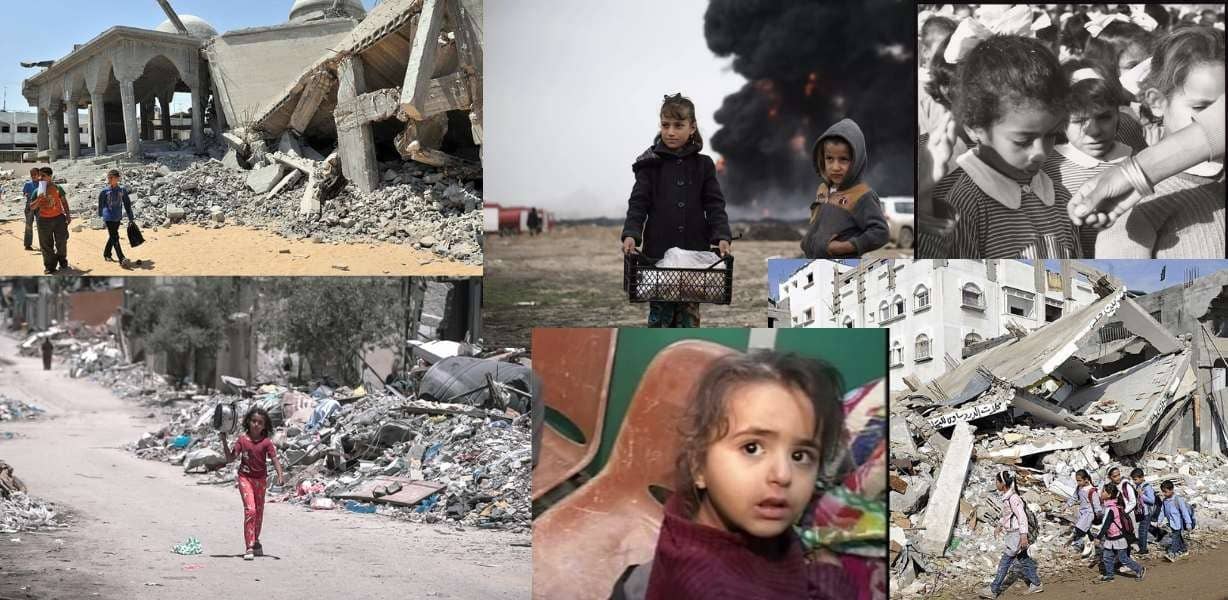
The international architecture designed to protect children in times of war is facing its most severe crisis since the establishment of the United Nations Children and Armed Conflict (CAAC)CAAC MandateA UN mechanism established in 1996 to monitor and report on violations against children in war zones. mandate thirty years ago. According to the UN’s annual CAAC report, a record 24,174 children suffered verified rights violations globally over the past year, the highest total ever recorded by monitors.
Yet, the raw data, which documents a staggering 38,558 total grave violations, is only part of the story. The truly historic and unsettling takeaway from the report lies in who is responsible. For the first time since monitoring began, sovereign government forces and state militaries rather than rogue insurgencies or non-state rebel factions have emerged as the primary perpetrators of grave violations against children.
This systemic shift signals a deeper, structural decay in the respect for international humanitarian law. Driven by the normalization of urban warfare, heavy explosive munitions, and the integration of automated technology, the very entities bound by treaty to protect the vulnerable have instead become their greatest threat.
Grave Violations
The UN Security Council tracks six specific “grave violations” during wartime. The data reveals an alarming upward trajectory, particularly in actions that involve direct kinetic force and systemic blockades:
- Denial of Humanitarian Access (8,322 incidents): This stands as the most frequent violation, driven by tactical blockades that intentionally cut off children from vital food, clean water, and life-saving medicine.
- Maiming (7,958 children): Incidents rose by 10% over the past year, heavily fueled by artillery bombardments, airstrikes, and unexploded remnants of war left behind in civilian areas.
- Recruitment and Use (6,607 children): The unlawful forced enlistment of minors remains rampant, with both national state militaries and rebel groups actively deploying children into active combat roles.
- Killing (6,266 children): Child fatalities experienced a catastrophic 34% surge, highlighting a complete failure by warring factions to uphold basic civilian protection protocols.
- Abductions (5,129 children): The kidnapping of minors continues to be widely used as a gateway violation, frequently leading to subsequent forced recruitment or sexual exploitation.
- Detention (1,667 children): Children are increasingly being held arbitrarily in state-run facilities, treated as security threats or criminals rather than victims due to their alleged ties to armed factions.
War on Children: The Six Grave Violations (2025)
✕ Denial of Access
8,322
Incidents blocking vital food, clean water, and medicine.
⚠ Children Maimed
7,958
Injuries from artillery, airstrikes, and explosive remnants.
⚔ Child Recruitment
6,607
Minors unlawfully enlisted for active combat.
☠ Children Killed
6,266
Fatalities from direct warfare (a 34% annual surge).
⛓ Child Abductions
5,129
Kidnappings leading to exploitation and recruitment.
🔒 Child Detention
1,667
Arbitrary detention in state facilities as security threats.
Source: UN Secretary-General
VISUALS BY THE RIFT
VISUALS BY THE RIFT
Geographically, the crisis remains heavily concentrated across a handful of devastating hotspots. The highest volumes of verified child violations occurred in Israel and the Occupied Palestinian Territory, the Democratic Republic of the Congo (DRC), Nigeria, Myanmar, and Somalia.
Algorithmic Targeting
The unprecedented 34% spike in child fatalities cannot be separated from the changing technological architecture of modern warfare. Traditional, face-to-face combat has been increasingly replaced by asymmetricAsymmetric WarfareConflict where there is a significant imbalance of military power or tactics between opposing forces., remote, and automated military strategies.
Monitors point out that many of these casualties are directly linked to unmanned aerial systems, drone-enabled strikes, and AI-supported target selection. Once the exclusive domain of advanced superpowers, explosive-armed drones have become cheap, commercially available, and widely deployed by various state actors.
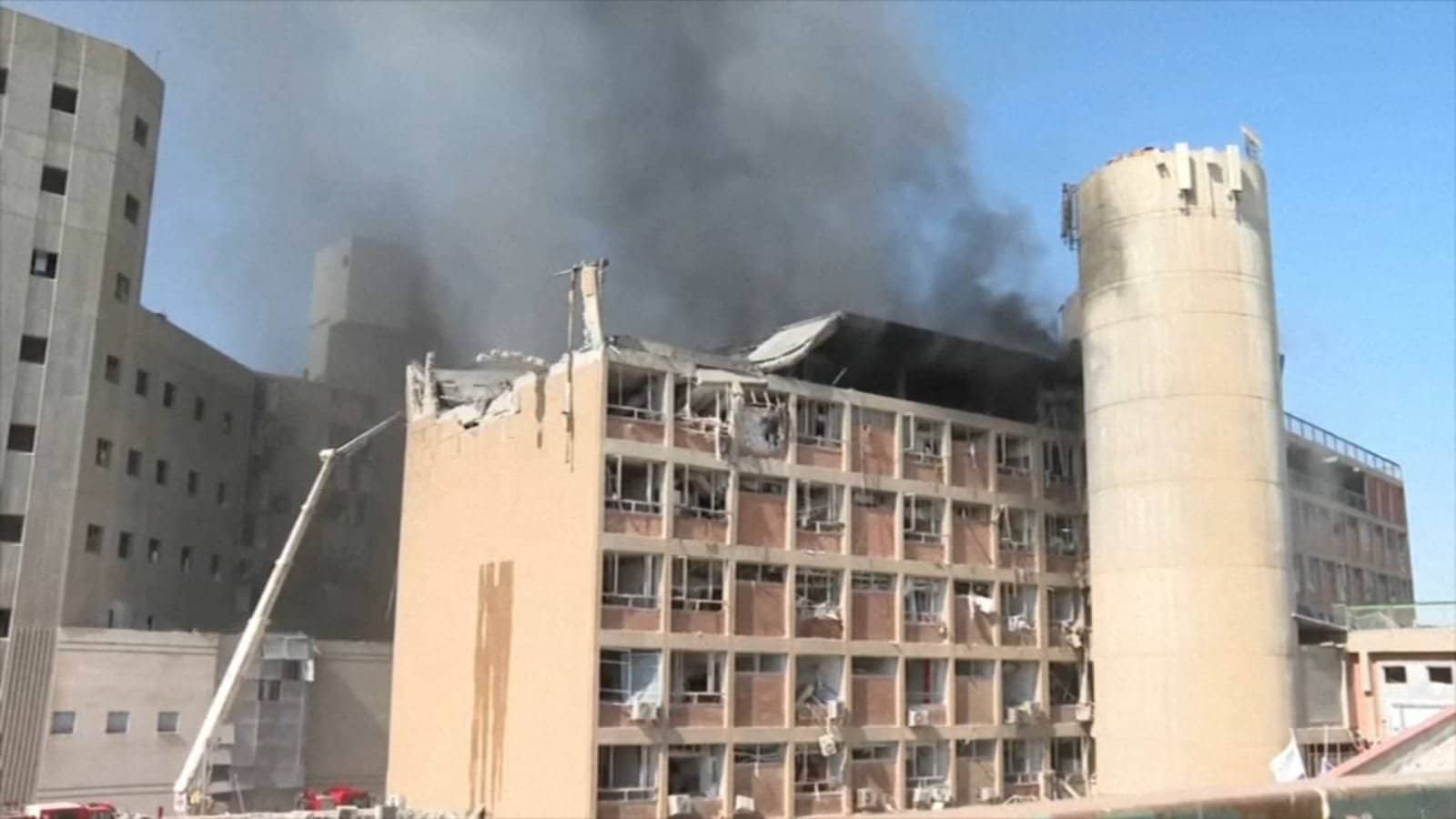
More concerning is the rising reliance on algorithmic data models to generate target lists. These automated systems process vast swaths of surveillance metadata to calculate probability scores for enemy targets. However, an algorithm lacks the cognitive nuance, empathy, and situational flexibility required to accurately assess human surroundings. When state militaries rely on cold calculations to launch strikes on dense urban areas, the lines between combatants and civilians blur completely. The results are visible worldwide, with remote strikes regularly hitting locations where children gather: neighborhoods, schools, markets, hospitals, and displacement camps.
- Traditional Insurgency: Historically, warfare was dominated by localized, asymmetric conflicts characterized by manual, face-to-face recruitment of combatants and ground-level skirmishes.
- Modern State Warfare: The paradigm has shifted toward conventional military forces utilizing heavy artillery, widespread urban bombardment, and devastating air power directly inside populated civilian areas.
- Algorithmic Militancy: The latest, most dangerous phase involves the integration of Artificial Intelligence (AI) to generate automated target lists, paired with the rapid deployment of autonomous, explosive-armed drones.
- Systemic Collateral Damage: Because these data-driven algorithms lack human empathy and cognitive nuance, they treat dense urban spaces as mere statistical points, resulting in systemic, widespread civilian casualties where children suffer the most.
Weaponizing Deprivation
Beyond the immediate trauma of airstrikes, children are increasingly falling victim to the silent weaponization of resources. The report’s finding of over 8,322 verified incidents of denial of humanitarian access represents an active military choice. By cutting off lifelines, destroying water treatment facilities, and blocking aid convoys, warring parties are effectively turning starvation and medical deprivation into tactical leverage.
Furthermore, the legal system offers little refuge. More than 1,600 children remain locked away in detention centers worldwide, often held indefinitely for real or perceived associations with designated security threats or armed groups. Rather than being treated primarily as victims of conflict who require rehabilitation, these children are processed through rigid national security frameworks that treat them as criminals.
Enforcing Accountability
“When States, on whom the obligation to protect children falls, instead contribute to their suffering, it signals the deeper erosion of respect for international law,” stated Vanessa Frazier, the Special Representative of the UN Secretary-General for Children and Armed Conflict, who called the findings “one of the darkest chapters” in child protection history.
For decades, the international community has operated under the assumption that international pressure, global treaties, and state mechanisms could be leveraged to rein in rogue, non-state armed groups. The latest UN data forces an uncomfortable re-evaluation of that strategy.
When sovereign states flout the principles of distinction and proportionalityIHL Core PrinciplesInternational laws requiring militaries to differentiate between combatants and civilians, and limit civilian harm. with near-total impunity, conventional diplomatic channels falter. To reverse this trend, international bodies, independent monitors, and human rights organizations must pivot their focus toward enforcing strict legal and economic accountability directly on state actors. Safeguarding the next generation requires moving past empty rhetoric and actively penalizing any entity, regardless of its official status, that treats the lives of children as acceptable collateral damage.
Disclaimer:The views and opinions expressed in this article are those of the author(s) and do not necessarily reflect the official policy or position of The Rift.
*Children in ConflictsAlgorithmic TargetingCAAC ReportChild SafeguardsInternational LawModern ConflictState Militaries