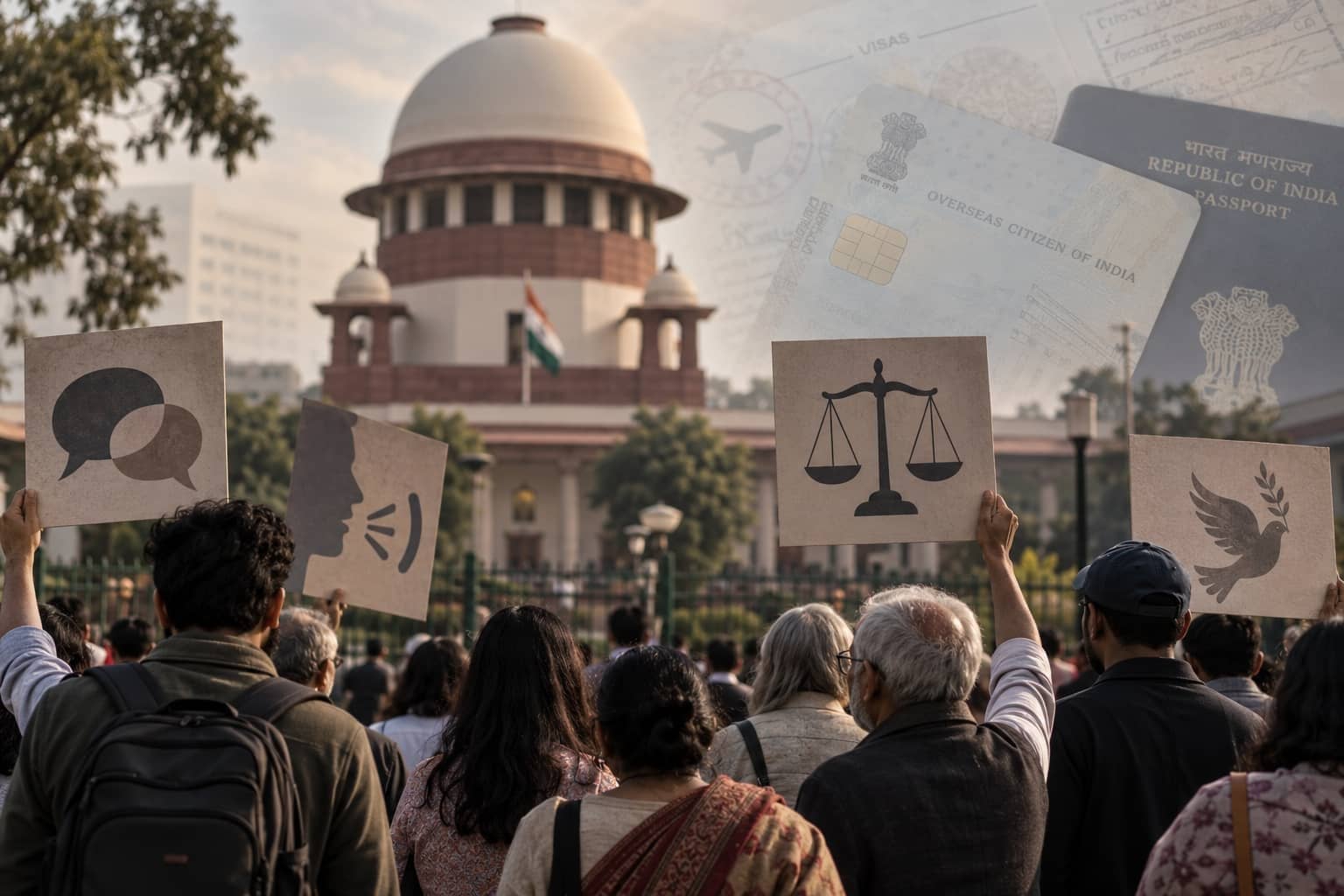
Opening The Rift
therift
© 2026 The Rift. All Rights Reserved.
Protecting Citizenship: India’s Supreme Court Curbs Arbitrary ‘Foreigner’ Accusations
This judgment acts as a shield. It tells the government: ‘You cannot simply summon anyone at will.’

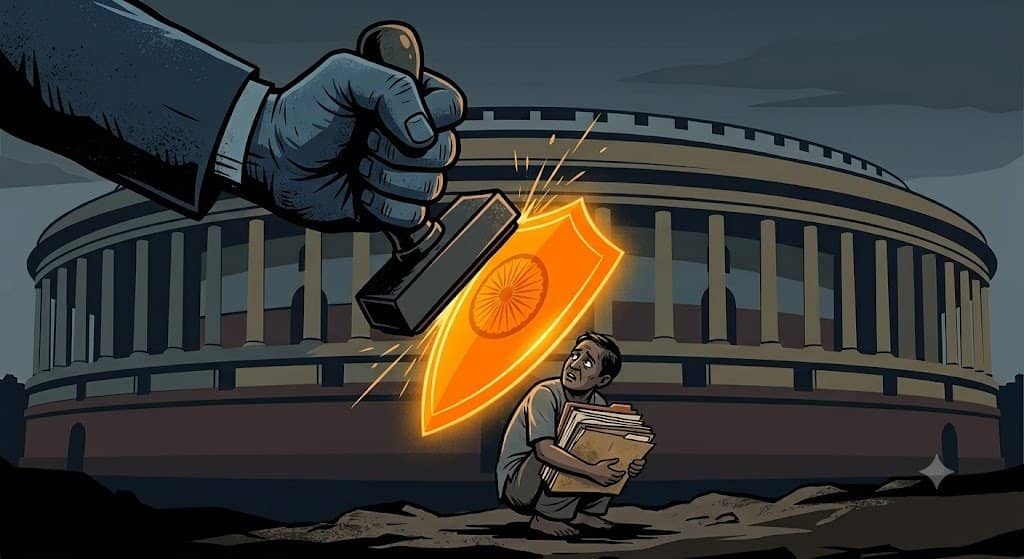
The Supreme Court of India has delivered a significant judgment on citizenship rights, setting boundaries for the government and its agencies (Representative Image)
Key Takeaways
1 of 3
Automatically generated. Read full article for complete context.
A judgment from the Supreme Court of India (Md. Rahim Ali vs. The State of Assam & Ors.) is a significant legal development. It clarifies the rights of individuals when the state questions their citizenship. The judgement sets important boundaries on how the executive (the government and its agencies) must act.
Below is an analytical explanation, simplified for those who are not lawyers, regarding what this means for an individual and how they can challenge an adverse order from the state.
Core Principle is “No Random Accusations”
The central takeaway from this judgment is that the government cannot simply point at a person, label them a “foreigner,” and force them to prove their citizenship without a valid reason.
- Material Basis Requirement: The state must have a “material basis” or credible evidence to suspect that a person is a foreigner before it can legally start proceedings against them.
- Protection Against Arbitrary Action: The court emphasized that the executive cannot randomly pick people and force them into a legal battle to prove their identity. There must be a factual foundation (like official records or specific evidence) suggesting a person entered the country illegally after the cut-off date (March 25, 1971, in the context of Assam).
- The Legal Burden (“Onus”): Under the Foreigners Act, 1946, the burden of proving citizenship rests on the individual. The Supreme Court acknowledges this, but it clarifies that this burden only kicks in once the state has established a “material basis” for suspicion.
- The Individual’s Responsibility: If the state provides a valid, evidence-backed reason for doubting your citizenship, then you are required to provide documents (like birth certificates, voter lists, school records, or land records) to prove you are an Indian citizen.
How to Challenge an Adverse Order
If an individual is declared a “foreigner” by a Foreigners Tribunal (or similar authority), this judgment outlines how that order can be challenged effectively, especially when the process has been unfair.
- Look for Procedure Errors: You can challenge an order if the process was “perverse” or legally flawed. Look for these common errors :
- Lack of Due Process: Were you given a fair chance to present your case? If an order was passed ex-parte (without you being heard) because of genuine illness or lack of proper notice, this is a strong ground for appeal.
- Ignoring Evidence: If you submitted documents (like voter lists, land deeds, or family records) and the Tribunal ignored them or dismissed them based on minor technicalities (e.g., small spelling mistakes in names or slight variations in dates), you can argue that these are not grounds to declare someone a foreigner.
- Lack of Inquiry: If the state initiated the case without any preliminary investigation or “material basis,” you can challenge the very initiation of the proceedings as arbitrary and illegal.
- Role of High Courts (Writ Jurisdiction): If a Tribunal declares you a foreigner, your primary path to relief is filing a Writ Petition in the High Court. The High Court has the power of “judicial review.”
- What this can mean for you: The High Court does not just look at whether the Tribunal’s order says you are a foreigner; it looks at how the Tribunal reached that decision.
- “Error in Decision-Making” Argument: You can argue that the Tribunal made a fundamental error, either by failing to consider your evidence, by acting without a proper factual basis, or by violating the principles of natural justice (e.g., not giving you enough time to defend yourself).
Practical Steps for any Individual
If you are facing an inquiry regarding your nationality, here is how you should prepare :
- Consolidate Documents: Keep all identity documents (Voter IDs, birth certificates, school certificates, land documents) in a safe place. Ensure that, where possible, names and dates are consistent.
- Challenge the “Material Basis”: If you receive a notice, inquire why you have been singled out. If there is no evidence provided for why your citizenship is under suspicion, your lawyer can challenge the “material basis” for the notice itself.
- Document Communication: If you cannot attend a hearing due to health or other emergencies, keep official documentation (like medical records) ready. Do not let the case proceed ex-parte if it can be avoided.
- Engage Legal Counsel Early: Citizenship matters are complex and often hinge on technicalities. Do not attempt to represent yourself in Tribunal proceedings if you can avoid it. A lawyer can help ensure that the “burden of proof” is only addressed once the state has met its duty to provide a basis for its suspicion.
This judgment acts as a shield. It tells the government: ” You cannot simply summon anyone at will. ” If you are facing an adverse order, you have the right to demand that the state proves it had valid, evidence-backed reasons to suspect you in the first place, and you have the right to have your case reviewed by the High Court if the Tribunal’s decision-making process was unfair or skipped over your valid evidence.
The above is a set of generalised suggestions. It is not a substitute for legal advice which requires to be specific for each case has many variables.
Jai Hind
Disclaimer:The views and opinions expressed in this article are those of the author(s) and do not necessarily reflect the official policy or position of The Rift.