Opening The Rift
therift
© 2026 The Rift. All Rights Reserved.
Ethiopia, Rebels and Eritrea—Revival of Old Conflicts must be checked to Prevent Wider War
The deeply worrying situation in the Horn of Africa can not only worsen but also result in a wider war, demanding urgent efforts for peace.

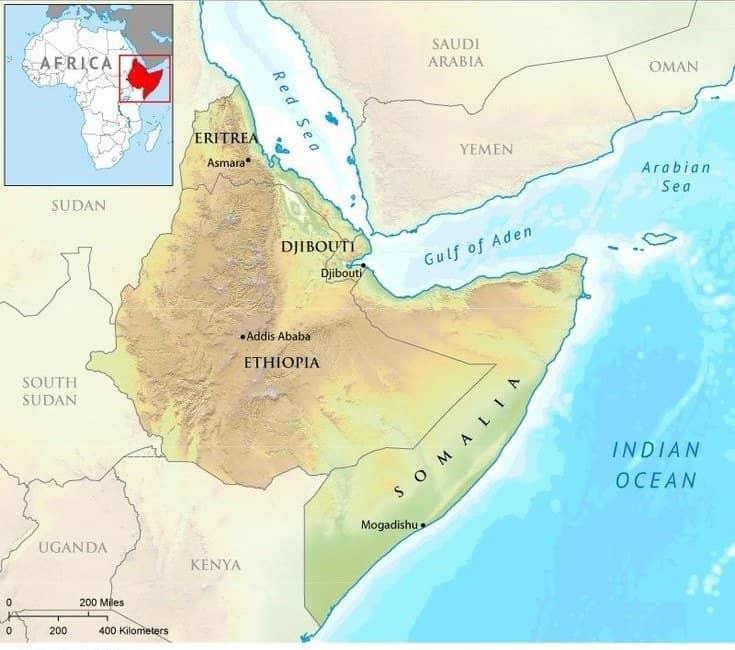
The Horn of Africa, where historical tensions between Ethiopia, Eritrea, and various rebel groups threaten to escalate into a wider regional conflict.
Key Takeaways
1 of 3
Automatically generated. Read full article for complete context.
In recent months the already stressed situation in the Horn of Africa has deteriorated rapidly at several levels. Looking at the history of recent decades, this region has been highly prone to violent conflict, resulting in huge loss of life as a result of direct and indirect impacts including famine. Hence great caution is needed at this critical juncture to check re-emerging conflicts before they spread very widely again. The deeply worrying situation here can be examined at four levels.
Firstly, there is increasing confrontation between the central government of Ethiopia and various rebel groups, including the stronger and better known Tigray People’s Liberation FrontTPLFA political party and former ruling party of Ethiopia, central to the Tigray War (2020-2022) against the federal government. or TPLF which had at one time been the most powerful force here. There is increasing unity among about seven or so rebel groups (Oromo, Fano etc.) which have got together to form the Ethiopian People Forces Alliance for Survival. Hence the rebels are in a stronger position, despite the Ethiopian federal or central forces achieving some recent successes.
There is an instinctive tendency on the part of some to support rebels, but this should not lead them to neglect the very high costs in terms of human life lost in civil war conditions. The civil war of 2020-22 had proved extremely costly in terms of loss of human life, with some estimates saying nearly half a million people perished, and while the Pretoria Agreement, facilitated by the African Union, headquartered in the Ethiopian capital city Addis Ababa, ended the civil war, it did not resolve all differences. The step forward should be to secure more durable peace as early as possible, instead of allowing the present day violence to blow up into another civil war.
The second disturbance is at the level of deteriorating relations between Ethiopia and Eritrea. An earlier civil war that continued for nearly 3 decades had resulted in the secession of Eritrea from Ethiopia and its emergence as an independent country, while during this period there were also other civil wars in Ethiopian as well as Eritrea territory. In the process Ethiopia lost its access to the sea and became a landlocked country.
There are many problems a landlocked country faces. It is particularly difficult for a country that had been used to living with abundant access to sea to be suddenly reduced to a landlocked country denied any access to sea. This aspect of the grievances felt by Ethiopia can be understood, as also its desire to find a sea outlet or a port. Ethiopia has also explored getting coastal area and port on lease in Somaliland, in the process souring its relations with the bigger country Somalia (from where Somaliland has seceded). Perhaps arrangement for some access to sea for Ethiopia could have been made at the time of secession of Eritrea. In fact Ethiopia still seeks sea and port access in ways that Eritrea feels will be at its cost. This as well as Ethiopian allegations of Eritrea helping its rebels in recent times have led to rapid deterioration in the relations of Ethiopia and Eritrea (although the two countries had found space for mutual cooperation in the 2020-22 civil war). So this is the second level at which stress is growing, can blow up into war, and hence remedial actions are needed as early as possible, whether at the level of the UN or the African Union or both.
Thirdly, there are increasing chances that if war or civil war erupts this can expand into a broader regional war or can become a part of a broader war to aggravate it further. Egypt has serious differences with Ethiopia over the operations of the Great Ethiopian Renaissance Dam affecting the water interests of the Egypt in the Nile river region. Such concerns are shared by the main, internationally recognized Sudan government. Hence in the existing conditions Egypt, Sudan and Somalia may support Eritrea and rebel groups to a lesser or greater extent or even become a part of a wider coalition against Ethiopia. On the other hand Ethiopia can expect support from Kenya, Somaliland, Djibouti, South Sudan and Sudan’s RSF militia.
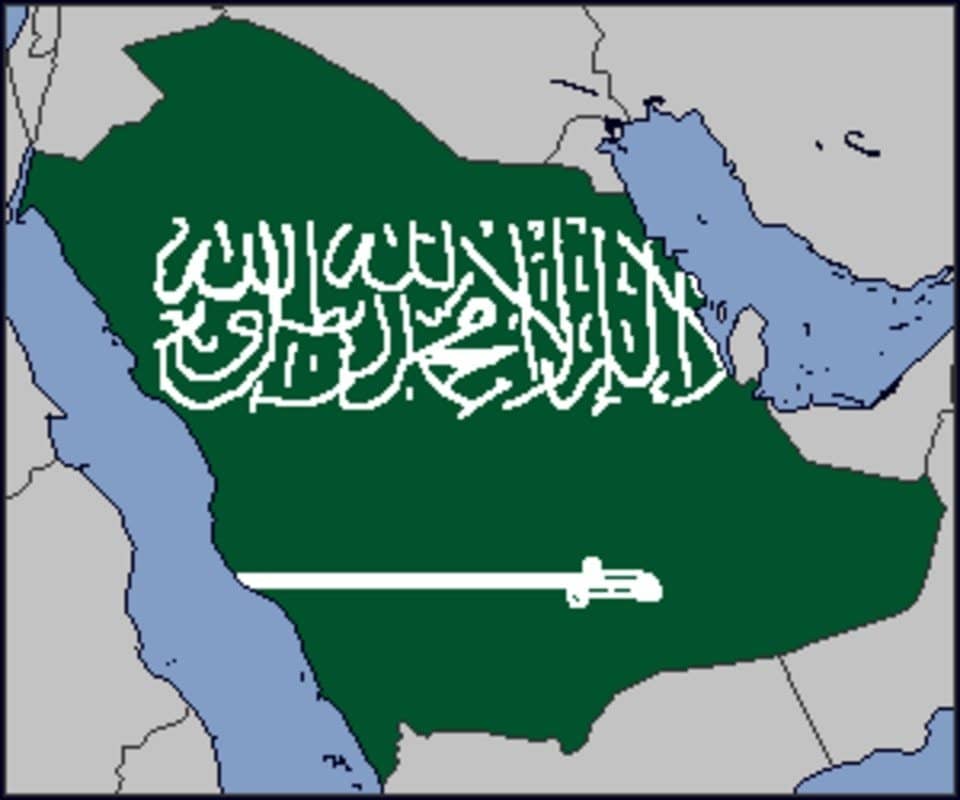
Fourthly, across the Red Sea West Asia is in turmoil and there can be interactions of the West Asia turmoil with this turmoil in the Horn of Africa on the two sides of the Red Sea. Already UAE is on the side of Ethiopia, RSF and Somaliland while Saudi Arabia appears to be on the opposite side.
Hence the situation in Ethiopia and Eritrea is deeply worrying and can not only worsen but in addition also result in a wider war. Hence all efforts should be made to support and strengthen efforts for peace in this region.
Disclaimer:The views and opinions expressed in this article are those of the author(s) and do not necessarily reflect the official policy or position of The Rift.