Opening The Rift
therift
© 2026 The Rift. All Rights Reserved.
Pakistan: Yemen Was No Picnic. Neither Is Pashtunistan.
Overwhelming firepower cannot manufacture submission, and a people determined to resist cannot be terrorized into permanent obedience.

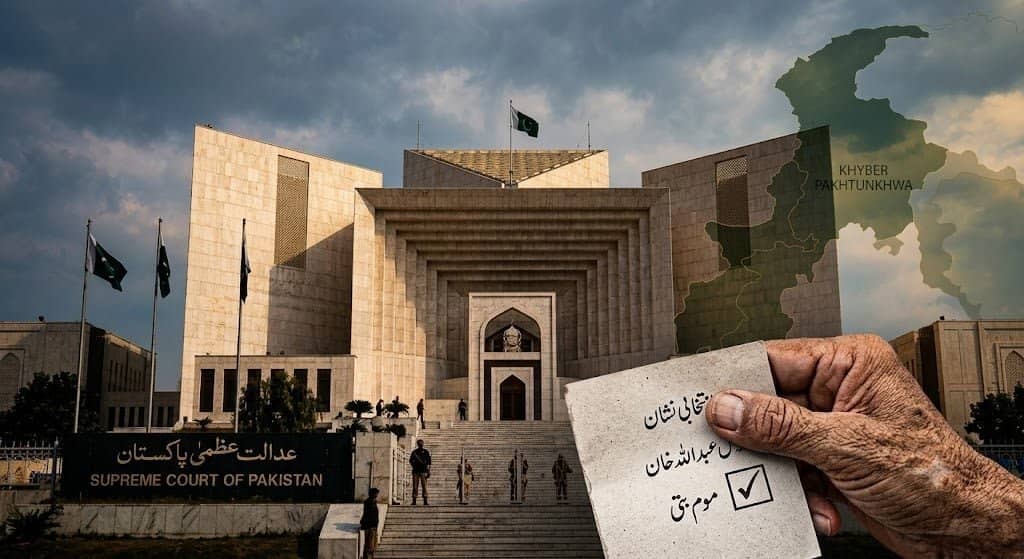
Representative Image
Key Takeaways
1 of 3
Automatically generated. Read full article for complete context.
Pakistan’s generals understand the danger of confronting Yemen’s Houthis; they should understand the far greater folly of declaring political war on the PashtunsPushtuns / PathansAn Eastern Iranian ethnolinguistic group native to Central and South Asia, primarily residing in Afghanistan and the Khyber Pakhtunkhwa province of Pakistan. They are known for their distinct culture, language (Pashto), and tribal system.. The same military establishment that hesitates to challenge an undefeated resistance abroad now imagines it can crush an equally defiant people at home. Yemen has already exposed the fatal arrogance of that calculation: overwhelming firepower cannot manufacture submission, and a people determined to resist cannot be terrorized into permanent obedience.
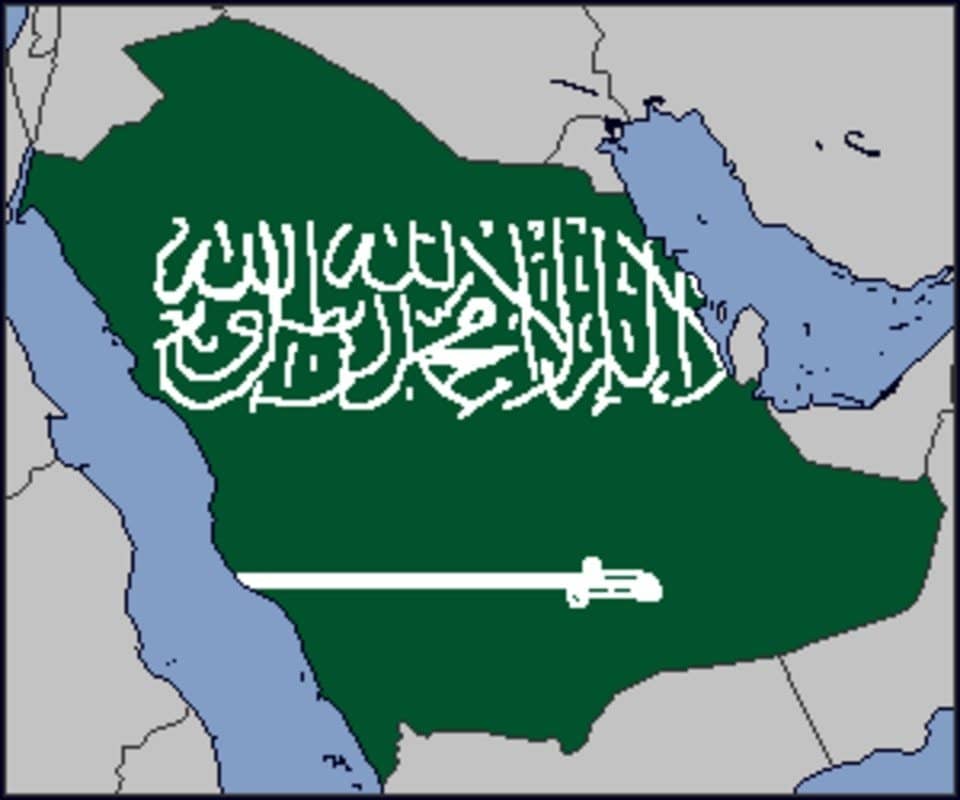
For more than a decade, Saudi Arabia, armed and protected by Washington, unleashed devastating military violence on Yemen. Bombardment, blockade restrictions, starvation, disease, and mass displacement ravaged an already impoverished country. Yet Ansar Allah survived, consolidated its position, and developed the capacity to strike back against vastly wealthier adversaries.
The Saudi monarchy possessed overwhelming military superiority. What it could not purchase, even with American billions, was victory over an adversary that refused to surrender.
Pakistan’s generals have every reason to contemplate that humiliation.
When Riyadh demanded Pakistani military participation in its Yemen campaign in 2015, Islamabad declined. Parliamentary opposition, sectarian sensitivities, and regional calculations shaped that decision. But behind the diplomatic language stood an unmistakable strategic danger: Pakistan risked becoming trapped in another unwinnable war, sacrificing soldiers and prestige against a battle-hardened resistance that even Saudi Arabia’s immense arsenal could not subdue.
Rawalpindi understands the price of a humiliating confrontation with the Houthis. Why does it imagine confronting the Pashtuns will be any less disastrous?
That question has acquired terrifying urgency with the imposition of emergency and governor’s rule in Khyber Pakhtunkhwa, suspending the elected provincial government of Imran Khan’s Pakistan Tehreek-e-Insaf.
After decades of turning Pashtun territories into battlegrounds for foreign intervention, strategic adventurism, drone warfare, counterinsurgency, and militant terror, Pakistan’s security establishment now subjects their constitutional representation to extraordinary federal control.
First devastate a people’s homeland. Then criminalize their grievances. Finally, dismantle their democratic authority in the name of national security.
The Pashtuns have paid an appalling price for Washington’s imperial wars and Rawalpindi’s obsession with strategic manipulation of Afghanistan. Communities endured terrorist massacres, military operations, displacement, disappearances, and relentless insecurity.
Yet their political will survived the devastation.
Across generations, Pashtun resistance to domination has embraced armed struggle and nonviolent mobilization. Today, its most consequential political expression includes the mass democratic resistance associated with Imran Khan.
And Khan is no merely provincial phenomenon.
His extraordinary popularity among Pashtuns is matched by a formidable following throughout Pakistan. His challenge threatens not simply a handful of generals but an entrenched military-civilian ruling order, alongside foreign powers accustomed to exercising influence through Pakistan’s compliant elites.
That is what makes Khan so dangerous to the establishment: he challenges not merely who governs Pakistan, but who possesses the power to decide who is permitted to govern.
The Sharif and Bhutto-Zardari dynasties provide civilian cover for a political order increasingly willing to subordinate electoral mandates and provincial autonomy to the imperatives of military supremacy.
The grotesque contradiction is impossible to conceal.
The generals demand that Pashtuns abandon militancy, yet when Pashtuns mobilize through ballots, assemblies, and constitutional politics, the establishment moves against those institutions too.
Yemen demonstrates how catastrophically such arrogance can backfire.
Ansar Allah has endured years of military assault without surrendering its political-military position. The Pashtuns, whose history likewise encompasses generations of resistance to aggression, have endured successive attempts to silence, fragment, and subdue them.
Their current strategies differ. Their determination to resist imposed domination provides the essential parallel.
Pakistan’s generals hesitate before the Houthis because military intervention risks an expensive and humiliating failure. They should fear the consequences of their confrontation with the Pashtuns for precisely the same reason.
The danger is not that constitutional Pashtun resistance inevitably becomes armed rebellion. The danger is that strangling peaceful political alternatives deepens alienation and manufactures the instability the generals claim to prevent.
Rawalpindi should remember what Riyadh learned at devastating cost: destroying a society is not the same as defeating its resistance.
The Houthis refused to bow before Saudi Arabia’s American-backed war machine. The Pashtuns have refused to surrender their political dignity to foreign intervention, militant terror, or Pakistan’s national security state.
Pakistan’s generals fear an unwinnable war in Yemen. They should fear the folly of provoking one against their own people.
They can suspend governments, imprison leaders, and militarize entire provinces. What they cannot do is bomb a people into loving their oppressors — or terrorize them into accepting permanent humiliation.
Disclaimer:The views and opinions expressed in this article are those of the author(s) and do not necessarily reflect the official policy or position of The Rift.