Opening The Rift
therift
© 2026 The Rift. All Rights Reserved.
Sampat Pal: Two Decades of Protecting Women and Resisting Injustice
The most important learning of her life is of how a big movement could start with a simple village woman based on her sincerity and courage.

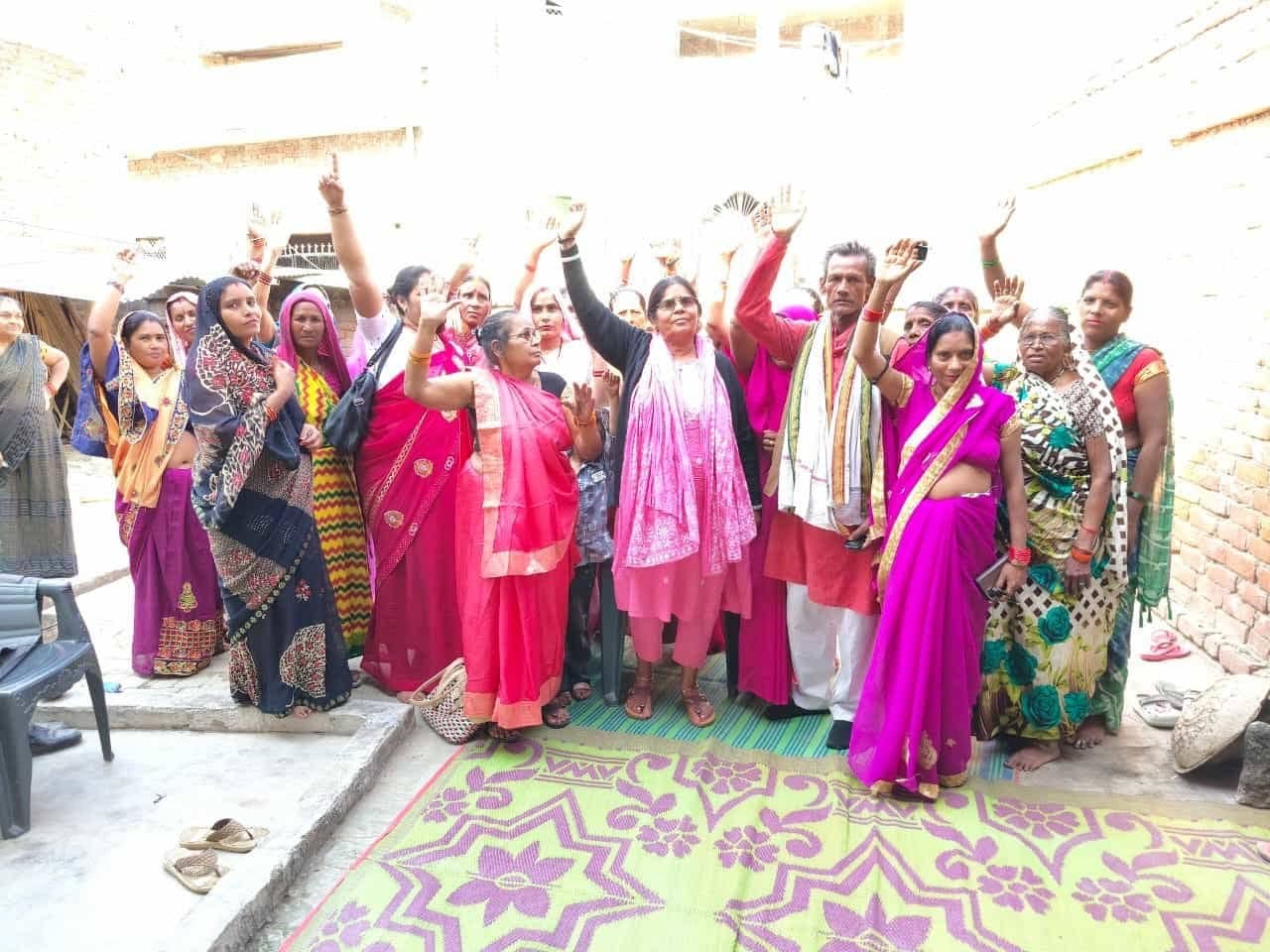
Sampat Pal, founder of the Gulabi Gang, has been fighting for women’s rights in India for over two decades
Key Takeaways
1 of 3
Automatically generated. Read full article for complete context.
When, as a young woman, Sampat Pal first resisted an act of violence against women in her home district of Banda (Uttar Pradesh), she could hardly have imagined that she was embarking on a journey that would lead to her work being highlighted not only in India’s media but even in western media, and she would get prestigious awards and repeated requests to appear in prime time TV shows. Sampat did not ask for this fame, it simply came her way as a result of her courageous interventions in various acts of injustice.

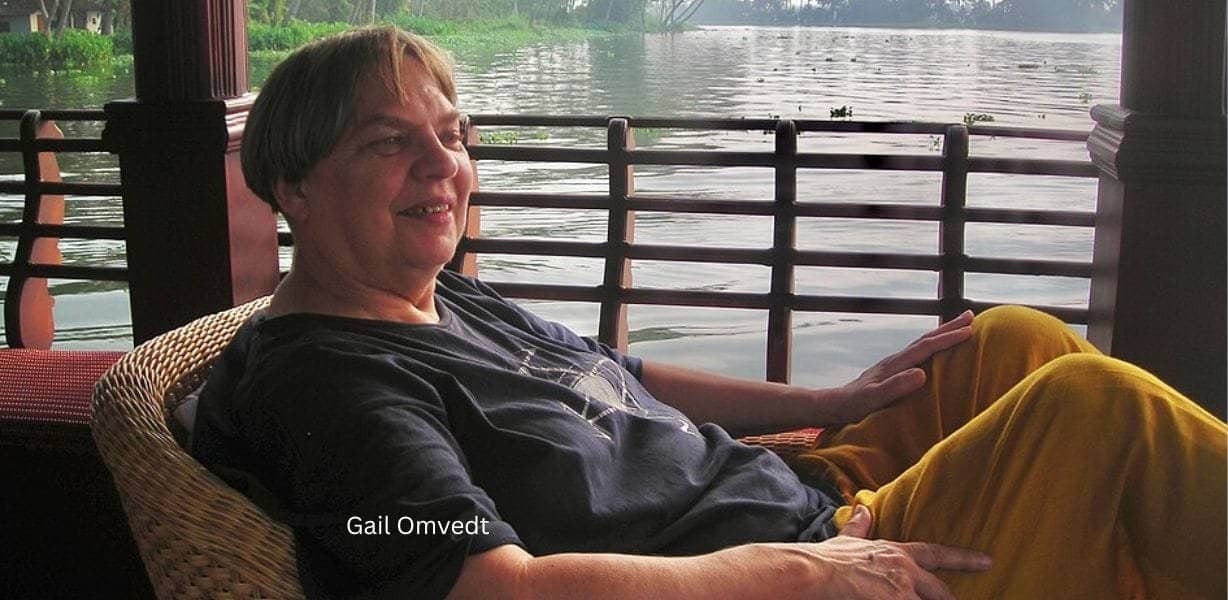
Reading some writings on her before I went to meet her recently, I found that she has often been presented as an instinctively violent personality. However, my impression of her in the course of our long conversation was that of a highly dignified, polite and gentle woman who may quickly get angry when confronted with acts of injustice but who at heart is basically concerned with creating a world without such injustices. The most important learning of her life is not the endlessly told stories of how she taught a big lesson or two to those trying to trouble innocent women or indulging in various corrupt activities, but instead it is how a big movement could start with a simple village woman based on her sincerity and courage.
While the courage of Sampat in taking up cases of violence against women initially attracted several women as well as others, she also showed wisdom in consolidating these gains by forming savings groups of women. These grew in strength and soon there were about three hundred women as firm supporters. It was at this stage that they contributed small savings to purchase a pink saree for each one of them, giving them a pink identity which eventually brought them the name of the gulabi (pink) gang, a name which somehow stuck.
Gulabi Gang Membership Growth
Early Supporters (Initial Stage)
~300
Women forming savings groups
Later Membership (UP & MP)
>200,000
Members across states
VISUALS BY THE RIFT
The gulabi gangGulabi GangA women’s vigilante group and social movement in India, founded by Sampat Pal Devi, known for its members wearing pink sarees and fighting against injustice, particularly violence against women and corruption. ‘Gulabi’ means pink in Hindi. was soon not only tackling cases relating to violence against women, in addition, it was also playing a big role in fighting corruption in the public distribution systemPublic Distribution System (PDS)An Indian government-sponsored system that distributes subsidized food and non-food items to India’s poor. It is often a target for corruption. and in checking development work irregularities. This social movement also raised a strong voice against the increasing consumption of alcohol and smokeless tobacco/gutkha, also fighting for the removal of some liquor vends. Sampat told me that she could persuade many men to give up alcohol.
Some aspects of this journey appear to have greatly attracted women as the number of her supporters grew by leaps and bounds, despite several obstacles being placed in her path from time to time. Some accounts mention well over 200,000 members in Uttar Pradesh and Madhya Pradesh, but there is a support base in some other states as well. Several of these women have established a reputation for significant work in their own right, gaining a good reputation in their own districts or work areas. Sampat Pal particularly mentioned the names of Pushpa Singh from Rae Bareilly, Uma Verma from Chhindwara and Farida Begum from Mahoba.
Key Supporters & Regions
- Pushpa Singh Rae Bareilly
- Uma Verma Chhindwara
- Farida Begum Mahoba
VISUALS BY THE RIFT
After a journey of about two decades Sampat Pal is also thinking of starting some service-based activities, although her main identity remains that of a fighter for justice and for just causes.
While most of the time she has been fighting for justice for women victims, she has not hesitated to come to the help of those men who have been wrongly accused or implicated by women in some cases. It is her sense of fairness and justice that is the deciding factor. Recently, in her home district Banda, when one of the most sincere and courageous activists Raja Bhaiya was implicated in some cases and accusations, she was in the forefront of many distinguished persons as well as common villagers who came forward to support Raja Bhaiya in difficult times. Pointing to the wife of Raja Bhaiya (a very soft-hearted village woman) and their three daughters, she asked loudly, with a flash of her famous anger showing at last—should we not be concerned about these women, who as family members of a badly victimized person, a sincere and good person, have suffered a lot? Later she was present at a public meeting which unanimously passed a resolution for ending the victimization of Raja Bhaiya as well as women and Dalit colleagues who have worked with him.
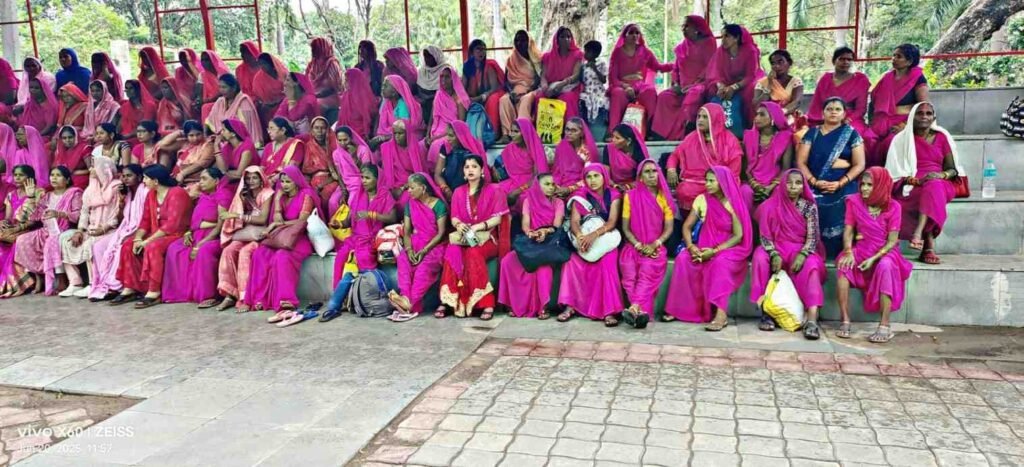
It is interesting and useful to note that while Sampat Pal may have lacked higher education at a formal level, her learning in the course of struggles as well as her strong sense of fairness and justice have led her to selecting issues and cases for support or resistance in a very thoughtful manner. This has played an important role in the fast, largely spontaneous spread of this social movement without the availability of either any organized or institutional funding or any formal support structure.
Disclaimer:The views and opinions expressed in this article are those of the author(s) and do not necessarily reflect the official policy or position of The Rift.